Pekerjaan dan pengangguran
| English | Bahasa Indonesia |
|---|---|
| unemployment rate/ʌnemˈplɔɪmənt reɪt/ | tingkat pengangguran |
| claimant count/ˈkleɪmənt kaʊnt/ | jumlah pengaduan |
| frictional/ˈfrɪkʃənl/ | friksional |
| structural/ˈstrʌktʃərəl/ | struktural |
| cyclical/ˈsaɪklɪkl/ | siklikal |
| seasonal/ˈsiːzənl/ | musiman |
Counting the jobless
- Unemployment isn't just a statistic — it's lost output, lost income, and social harm. Governments watch it closely.
- Its level, types and causes all feed into the AD-AS picture you've built.
Laboratorium rantai pengembangan
Ikuti bagaimana kebijakan dan sumber daya dapat mengubah standar hidup.
Terdapat 3 juta orang pengangguran dalam angkatan kerja 40 juta. Berapa tingkat pengangguran (%)?
(3 / 40) × 100 = 7.5%.
Tingkat pengangguran membagi jumlah pengangguran dengan tenaga kerja ______.
Tingkat = pengangguran / angkatan kerja × 100.
Measuring unemployment
- The unemployment rate 失业率 = unemployed ÷ labour force × 100.
- Measures: the claimant count 申领救济人数 (those on benefits) and the wider ILO/Labour Force Survey.
Worked example. 3 million unemployed in a labour force of 40 million. Rate = (3 ÷ 40) × 100 = 7.5%.
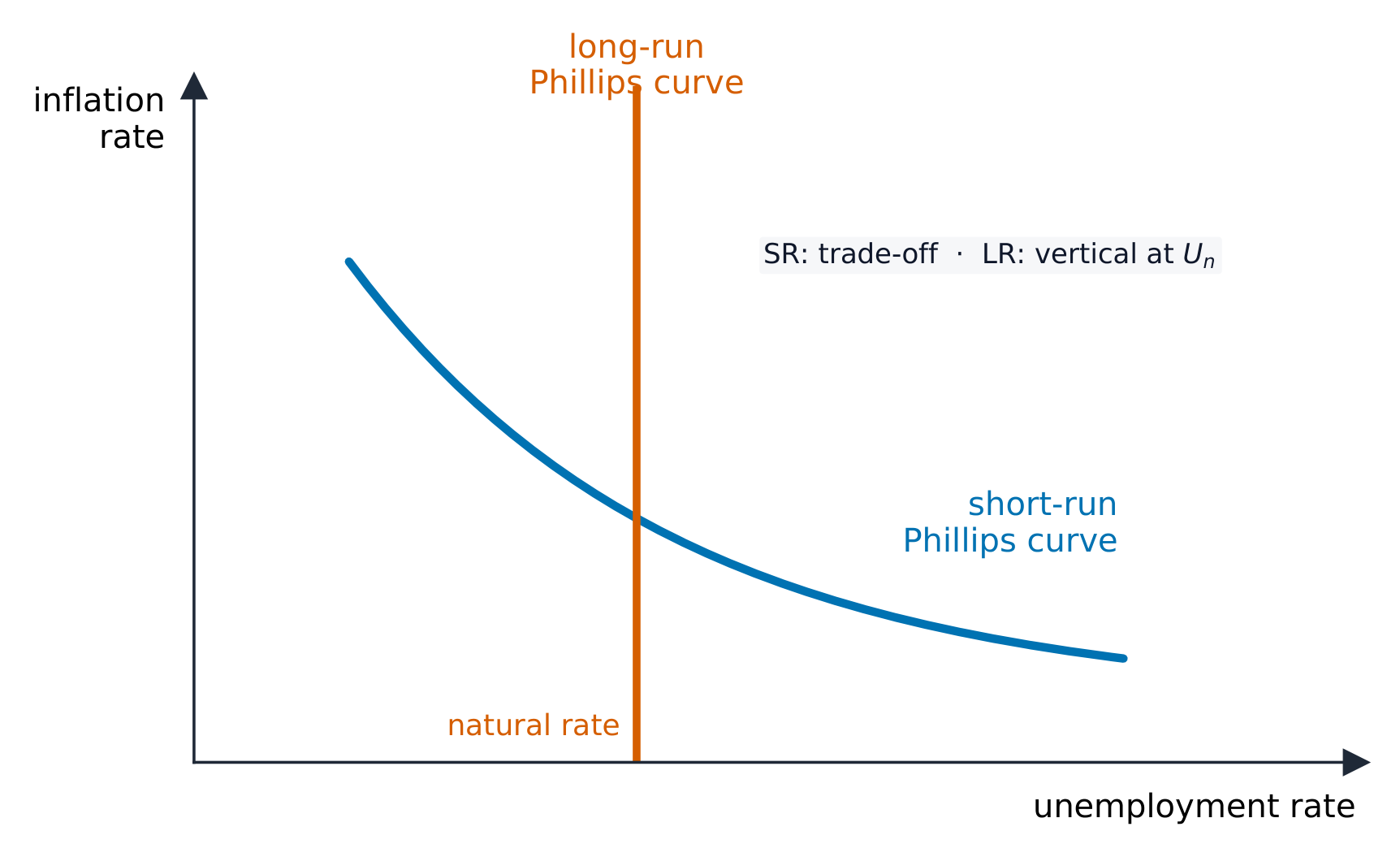
The short-run and long-run Phillips curves
Pengangguran yang disebabkan oleh ketidaksesuaian antara keterampilan pekerja dan pekerjaan yang tersedia adalah:
Pengangguran struktural berasal dari ketidaksesuaian industri/keterampilan (misalnya industri yang menurun).
Pengangguran siklis naik ketika permintaan agregat turun selama resesi.
Pengangguran defisit permintaan (siklis) bergerak mengikuti siklus ekonomi.
Cocokkan setiap jenis pengangguran dengan penyebabnya.
Setiap jenis memiliki penyebab yang berbeda.
Types of unemployment
- Frictional 摩擦性 (between jobs), structural 结构性 (skills/industry mismatch), cyclical 周期性 (demand-deficient, in recessions), and seasonal 季节性.
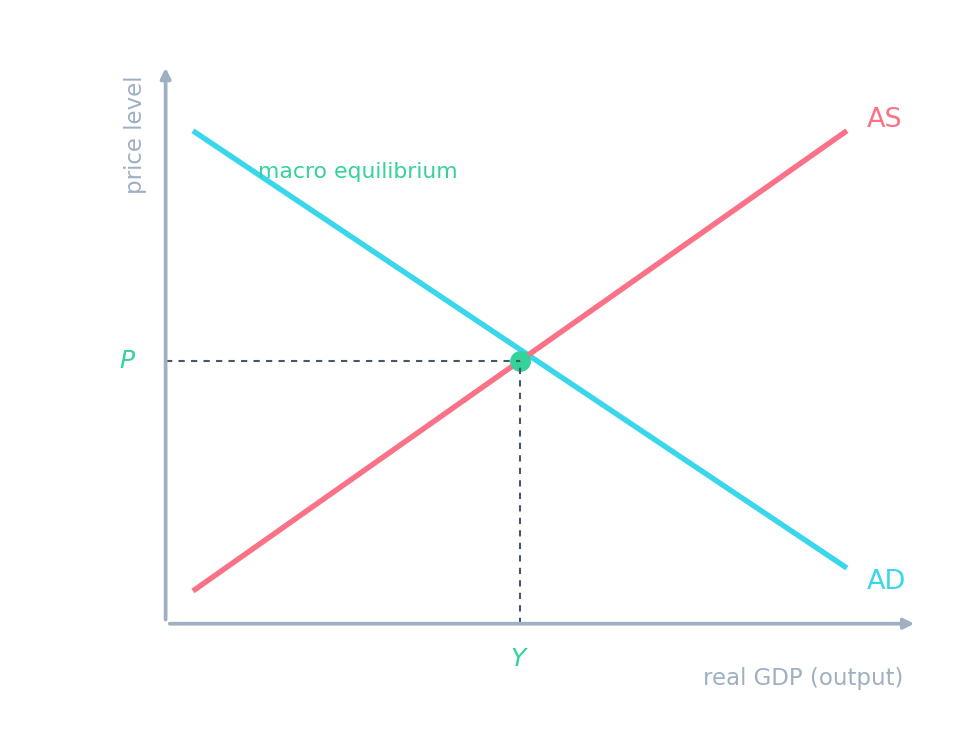
A fall in AD reduces output, so firms need fewer workers — cyclical (demand-deficient) unemployment.
Costs of unemployment
- To the individual (lost income, skills, wellbeing), to firms (lower demand), and to the government (more benefits, less tax) — plus lost national output.

Four types of unemployment: frictional, structural, cyclical and seasonal
You've got it
- unemployment rate = unemployed ÷ labour force × 100
- types: frictional, structural, cyclical, seasonal; cyclical rises when AD falls
- costs fall on individuals, firms, the government and national output