Excretion and the urinary system
Introducido| English | Significado |
|---|---|
| excretion/ekˈskreʃn/ | excreción |
| kidneys/ˈkɪdniz/ | riñones |
| urea/juːˈrɪə/ | urea |
| urine/ˈjʊərɪn/ | orina |
| ureters/ˈjʊəretəz/ | uréteres |
| bladder/ˈblædə/ | vejiga urinaria |
| urethra/jʊəˈriːθrə/ | uretra |
| deamination/ˌdiːmɪˈneɪʃn/ | desaminación |
Taking out the chemical rubbish
- Your body's reactions constantly make waste that would poison you if it built up.
- Removing this waste is excretion 排泄, and the kidneys 肾脏 are the body's main filter.
Urea is produced from the breakdown of excess:
Dificultad 1/5 · 100 monedas + un pequeño bono en el primer intento de hoy
The liver makes urea from excess amino acids.
Carbon dioxide is excreted by the:
Dificultad 1/5 · 100 monedas + un pequeño bono en el primer intento de hoy
CO₂ from respiration leaves via the lungs.
What needs removing
- Carbon dioxide (from respiration) — removed by the lungs.
- Urea 尿素 (from breaking down excess protein) — removed by the kidneys.
- Excess water and salts — also removed by the kidneys.
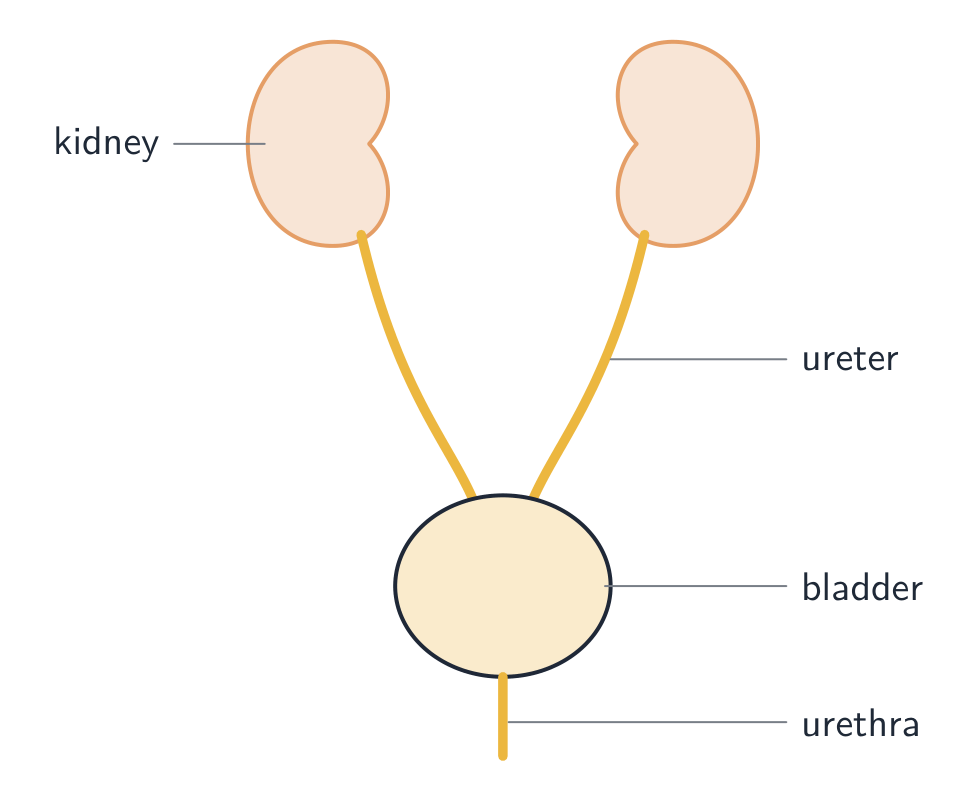
The kidneys make urine 尿液, which passes down the ureters 输尿管 to the bladder 膀胱 and out of the urethra 尿道
Excretion and the kidneys
The kidneys clean the blood, removing urea and adjusting water, and make urine.
The organs that filter the blood to make urine are the:
Dificultad 1/5 · 100 monedas + un pequeño bono en el primer intento de hoy
Kidneys filter blood and form urine.
Put the urinary pathway in order.
Dificultad 3/5 · 200 monedas + un pequeño bono en el primer intento de hoy
Kidney → ureter → bladder → urethra.
The urinary system
- The kidneys filter the blood, making urine.
- Urine flows down the ureters to the bladder, where it is stored, then out through the urethra.
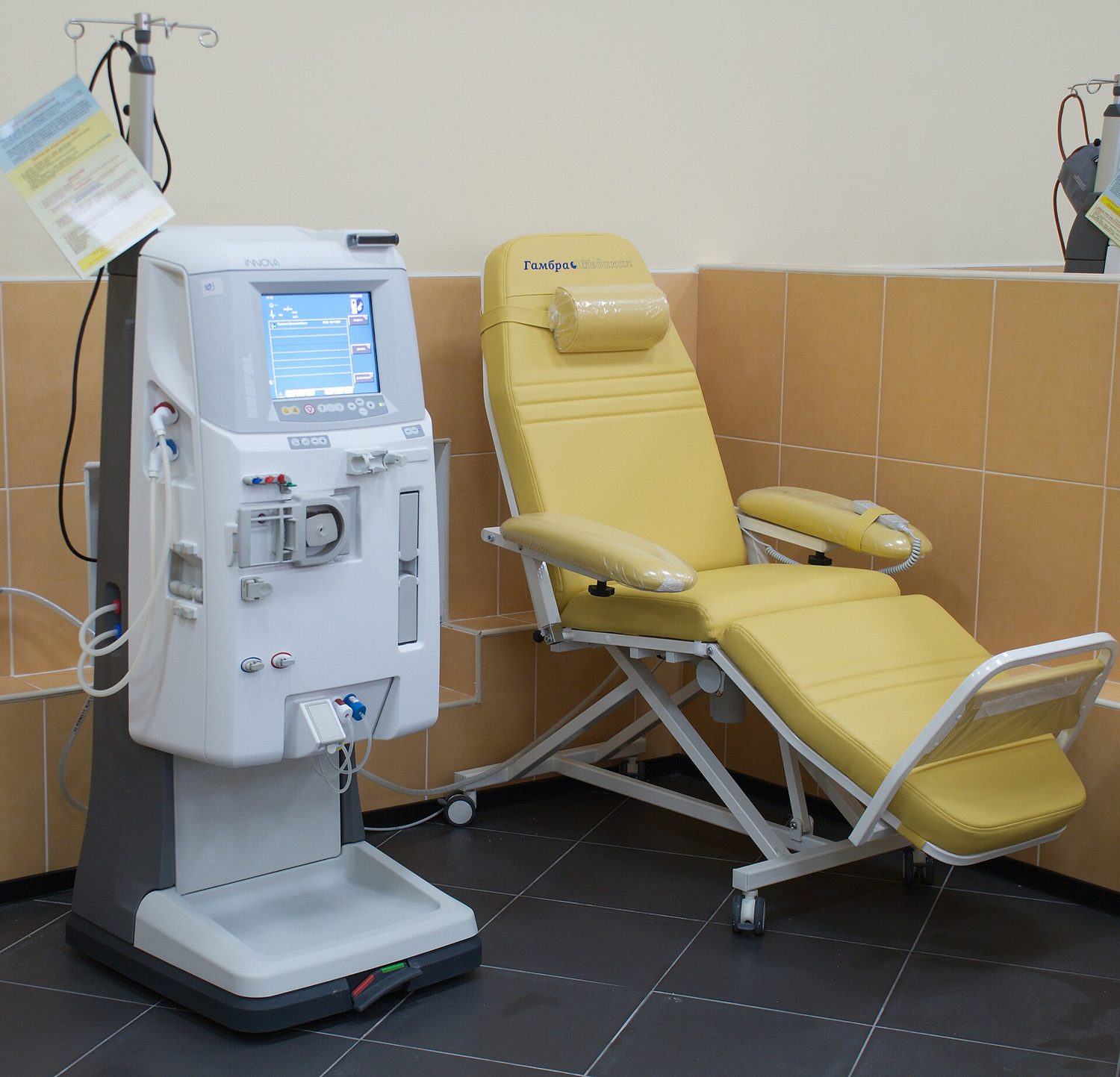
A dialysis machine cleans the blood when the kidneys stop working
The breakdown of excess amino acids in the liver is called ______.
Dificultad 1/5 · 100 monedas + un pequeño bono en el primer intento de hoy
Deamination produces urea.
The liver's role
- The liver breaks down excess amino acids, making urea (this is deamination 脱氨基作用).
- The urea is carried in the blood to the kidneys to be removed.
Excretion removes waste from reactions, not undigested food. Urea and carbon dioxide are made by the body's own chemistry. Faeces (undigested food) leave by egestion, which is not excretion.
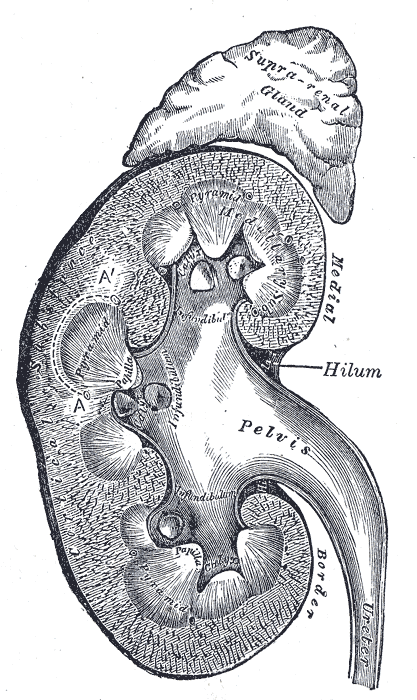
The kidneys filter the blood and make urine
Worked example: a protein-rich meal
After a large steak, a person has more amino acids than they need. Trace what happens to the extra nitrogen.
- The body cannot store amino acids. In the liver the extra are broken down (deamination): the nitrogen part becomes urea, and the rest is used for energy or stored.
- Urea travels in the blood to the kidneys, which filter it out with water into urine. Urine passes down the ureters to the bladder and leaves through the urethra.
Where is urea made?
Dificultad 1/5 · 100 monedas + un pequeño bono en el primer intento de hoy
The liver deaminates amino acids to make urea; the kidneys only remove it from the blood.
Breathing out carbon dioxide is a form of excretion.
Dificultad 1/5 · 100 monedas + un pequeño bono en el primer intento de hoy
CO₂ is a waste product of respiration, a metabolic reaction, and the lungs remove it.
You've got it
- excretion removes metabolic waste: CO₂ (lungs), urea and excess water/salts (kidneys)
- urinary system: kidneys → ureters → bladder → urethra
- the liver makes urea from excess amino acids (deamination)
Write from this case
- Excess amino acids are broken down.
- The lungs are also removing a gas.
Where is urea made, and which waste do the lungs excrete?
Deamination in the liver supplies the urea.
Where is urea made?
Dificultad 1/5 · 100 monedas + un pequeño bono en el primer intento de hoy
The liver converts excess amino acids into urea.