قد تبدو الذبابة المنزلية ونبات الذرة مختلفين تماماً، لكن كليهما حي في نفس الثمانية جوانب، وكلاهما مُكوّن من نفس نوع الخلية. تُقدم لك هذه القسم الأول الكلمات الخاصة بالحياة المشتركة — وهي الخصائص التي يُظهرها كل كائن حي — وخريطة لتنوع الحياة: خمس مجموعات من الكائنات الحية بالإضافة إلى الفيروسات، التي ليست كائنات حية على الإطلاق لكنها لا تزال تصيب كل كائن حي.
علم الأحياء الدولي Edexcel GCSE 4BI1، القسم 1 يُقيّم في ورقتي الامتحان؛ توقع أسئلة الاسترجاع المباشر و"المقارنة" من 1.1–1.4، وغالباً ما تكون علامة واحدة لكل ميزة وعلامة واحدة للمثال المسمى.
خصائص الحياة
كل كائن حي يقوم بكل ثمانية أشياء: يأخذ الغذاء (مواد للطاقة أو النمو)، يتنفس (يتنفس) (يحرر الطاقة من الطعام)، يتخلص من الفضلات (يطرح)، يستجيب لمحيطه (يستجيب)، يتحرك (يتحرك)، ينظم حالته الداخلية (ينظم حالته الداخلية) (يحافظ على ثباته داخلياً)، يتكاثر (يتكاثر)، وينمو ويتطور (ينمو ويتطور). قائمة الذاكرة MRS GREN تذكر الحركة والتكاثر والحساسية والنمو والتنفس والإخراج والغذاء — أما "تنظيم الحالة الداخلية" فهو الثامن الذي تستبعده القائمة، لذا اذكره بشكل منفصل.
الفيروس لا يقوم بأي من هذه الأشياء بمفرده — ولهذا السبب لا يُعتبر كائناً حياً.
التنوع: المجموعات الخمس ومميزاتها المميزة
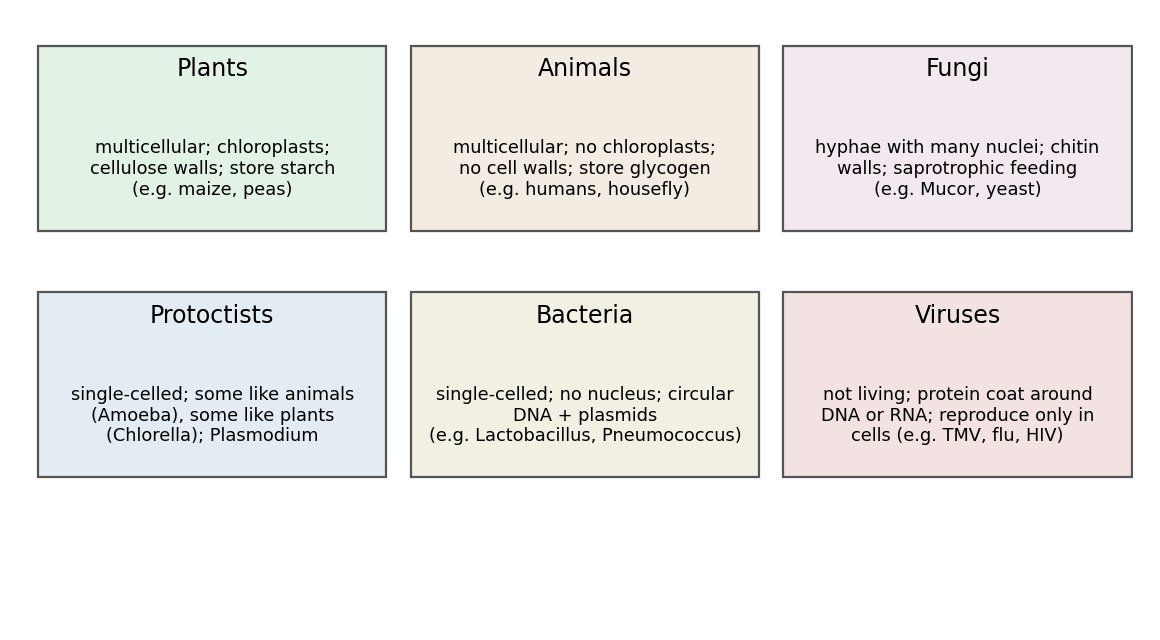
النباتات: متعددة الخلايا؛ تحتوي خلاياها على جسيمات خضراء وتقوم بـالبناء الضوئي؛ جدرانها من السليلوز؛ تخزن الكربوهيدرات على شكل نشا أو سكر مائبي. أمثلة: نبات محلي (ذرة) ونبات عشبي بقلي (بازلاء أو فاصوليا).
الحيوانات: متعددة الخلايا؛ لا تحتوي على جسيمات خضراء ولا تقوم بالبناء الضوئي؛ ليس لها جدران خلوية؛ عادةً تنسيق عصبي وحركة من مكان لآخر؛ تخزن الكربوهيدرات على شكل جليكوجين. أمثلة: الثدييات (البشر) والحشرات (ذبابة منزلية، بعوض).
الفطريات: لا تقوم بالبناء الضوئي؛ الجسم عبارة عن غزل فطري من خيوط فطرية خيطية الشكل تحتوي على أنوية عديدة؛ بعضها وحيد الخلية (خميرة)؛ جدرانها من الكيتين؛ تتغذى بإفراز إنزيمات هاضمة على الطعام خارج الجسم وامتصاص النواتج — التغذية التحللانية؛ تخزن الجليكوجين. أمثلة: Mucor (خيوط فطرية نموذجية) وخميرة (وحيدة الخلية).
الأوليات: كائنات دقيقة وحيدة الخلية. Amoeba (ماء البرك) يشبه الخلية الحيوانية؛ Chlorella تحتوي على جسيمات خضراء وتشبه النبات. المثال الممرض هو Plasmodium، الذي يسبب الملاريا.
البكتيريا: كائنات دقيقة وحيدة الخلية تمتلك جداراً خلويًا وغشاءً خلويًا وسيتوبلازمًا ودوائر بلازميدية؛ تفتقر إلى نواة ولكن لديها كروموسوم دائري من DNADNA. بعضها يقوم بالبناء الضوئي؛ معظمها يتغذى على كائنات حية أو ميتة. أمثلة: Lactobacillus bulgaricus (عصوية الشكل، تُستخدم في صنع الزبادي) وPneumococcus (كروية الشكل، تسبب الالتهاب الرئوي).
المقارنة الرباعية المفضلة لدى المصححين: مادة الجدار الخلوي (سليلوز / لا شيء / كيتين / جدار بكتيري)، النواة (نعم / نعم / نعم / لا)، الجسيمات الخضراء (في النباتات وبعض الأوليات فقط)، الكربوهيدرات المخزنة (نشا / جليكوجين / جليكوجين / —).
الممرضات والفيروسات
المُمرِض هو أي كائن حي أو جسيم يسبب المرض — يسمح البرنامج الدراسي بالفطريات والبكتيريا والأوليات أو الفيروسات.
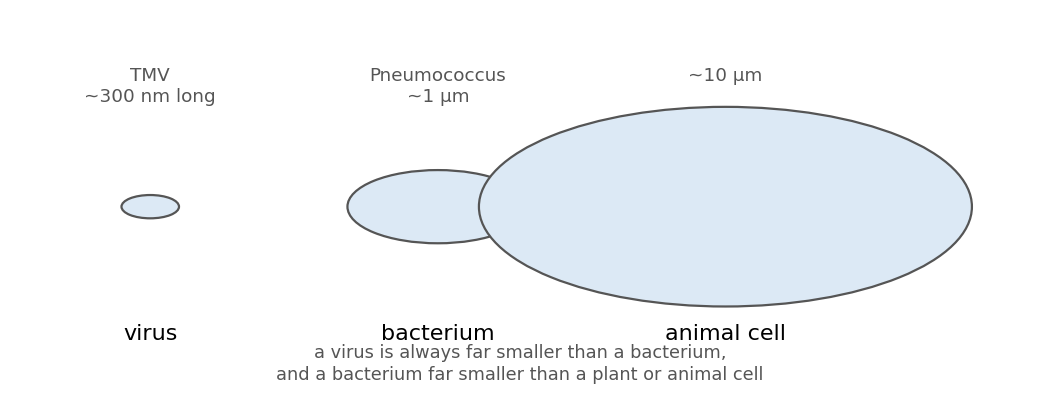
الفيروساتليست كائنات حية: هي جسيمات صغيرة (أصغر من البكتيريا)، طفيلية، ولا يمكنها التكاثر إلا داخل الخلايا الحية؛ ليس لها هيكل خلوي — بل مجرد غلاف بروتيني يحتوي على نوع واحد من الأحماض النووية، DNA أو RNA (نادرًا ما يكون كلاهما معًا). احفظ ثلاثة أمثلة مسماة مع أمراضها: فيروس الفحص المosaic للتبغ (أوراق تبغ متغير اللون — يمنع تكوين الجسيمات الخضراء)، فيروس الإنفلونزا (إنفلونزا) وHIV (الإيدز).
تحقق من نفسك
اذكر الخصائص الثمانية المشتركة بين جميع الكائنات الحية.
اذكر ميزتين للخلية النباتية تفتقر إليها الخلية الحيوانية.
أي مجموعة تخزن الكربوهيدرات على شكل جلايكوجين، وأيها على شكل نشا؟
صف التغذية التحللوية في الفطريات، مستخدماً كلمات الخيوط الفطرية، الإنزيمات، والامتصاص.
كيف يختلف المادة الوراثية للبكتيريا عن تلك الموجودة في خلية نباتية؟
اذكر البروتيزوا الممرض والمرض الذي يسببه.
اذكر ثلاثة أسباب لعدم تصنيف الفيروسات ككائنات حية.
أي فيروس مسمى يمنع تكوين البلاستيدات الخضراء، وما هو النتيجة المرئية لذلك؟
الإجابات: 1 تغذية، تنفس، إخراج، استجابة، حركة، تنظيم البيئة الداخلية، تكاثر، نمو؛ 2 بلاستيدات خضراء وجدار خلوي من السليلوز؛ 3 الحيوانات والفطريات تخزن الجلايكوجين؛ النباتات تخزن النشا (أو السكروز)؛ 4 تفرز الفطريات إنزيمات هاضلة من خيوطها الفطرية onto المواد الغذائية الميتة، ثم تمتص النواتج العضوية القابلة للذوبان؛ 5 البكتيريا ليس لها نواة — كروموسوم DNA دائري بالإضافة إلى البلازميدات — بينما تحتفظ خلية النبات بـDNA الخاص بها داخل النواة؛ 6 Plasmodium — الملاريا؛ 7 لا يوجد هيكل خلوي؛ تتكاثر فقط داخل الخلايا الحية؛ لا توجد عمليات حياة بمفردها؛ 8 فيروس مرزق التبغ — أوراق متغيرة اللون بنمط فسيفسائي.
One cell became many; many cells became tissues, organs and systems; and every system serves the same three jobs — taking in what the body needs, moving it to where it is used, and removing what the body must not keep. This section is the core of IGCSE Biology: cells and molecules, how substances cross membranes, nutrition in plants and humans, respiration, gas exchange, transport, excretion and coordination.
Edexcel International GCSE Biology 4BI1, Section 2 (statements 2.1–2.95) is the largest section of the course and feeds every long question on both papers. B-suffixed statements are the separate-science (Biology-only) extension; double-award students learn the unlettered core.
stores water and dissolved substances (large and permanent in plants)
2.5B Specialised cells develop by cell differentiation 细胞分化; 2.6B stem cells can replace damaged cells — advantages: treat conditions like paralysis or leukaemia; disadvantages: ethical concerns over embryos, risk of rejection and uncontrolled division.
Biological molecules and enzymes
Carbohydrates contain C, H, O; proteins add N; lipids are C, H, O with much less oxygen. Large molecules are chains of small units: starch and glycogen from simple sugars, protein from amino acids, lipid from fatty acids and glycerol. 2.9 Food tests: glucose — Benedict's (heated, blue → brick red); starch — iodine (yellow-brown → blue-black); protein — Biuret (blue → purple); fat — ethanol emulsion (cloudy white layer).
Enzymes 酶 are biological catalysts 生物催化剂: they speed metabolic reactions without being used up. Each has an active site 活性部位 the substrate must fit. Above an optimum temperature or away from the optimum pH, the active site changes shape (denaturation 变性) and the enzyme no longer works. Practical 2.12/2.14B follow amylase digesting starch at different temperatures or pH with iodine.
Movement into and out of cells
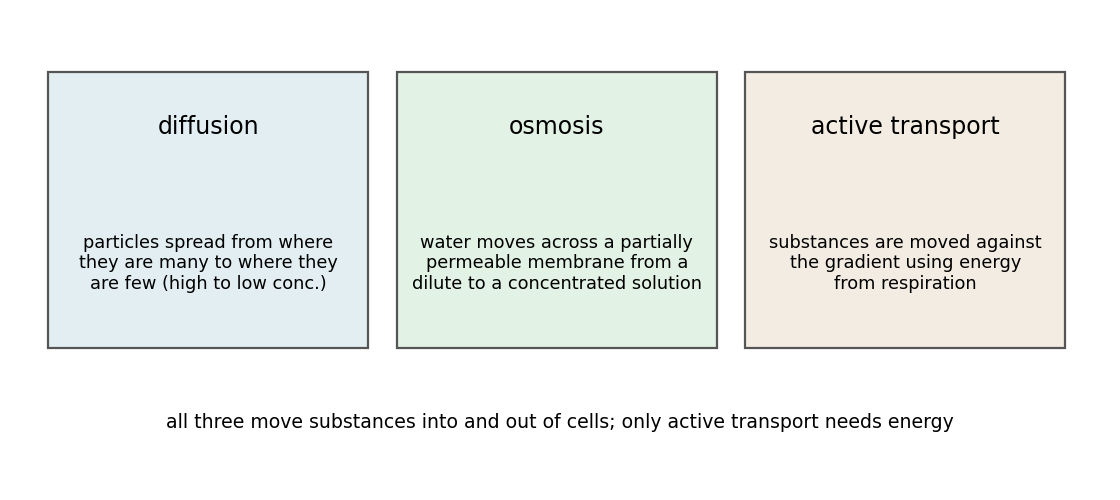
Diffusion 扩散 is the net movement of particles from a higher to a lower concentration (oxygen into blood). Osmosis 渗透 is the diffusion of water across a partially permeable membrane from a dilute to a more concentrated solution. Active transport 主动运输 moves substances against the gradient using energy from respiration (mineral ions into root hair cells). Rate increases with surface-area-to-volume ratio, concentration gradient and temperature, and decreases with distance.
Nutrition
Flowering plants. Photosynthesis converts light energy into chemical energy stored in glucose:
Limiting factors: carbon dioxide concentration, light intensity, temperature — each raises rate until another factor limits. Magnesium ions build chlorophyll (deficiency yellows leaves); nitrate ions build amino acids. 2.23: pondweed shows oxygen evolution; iodine tests a leaf for starch after blocking light, CO₂ or chlorophyll.
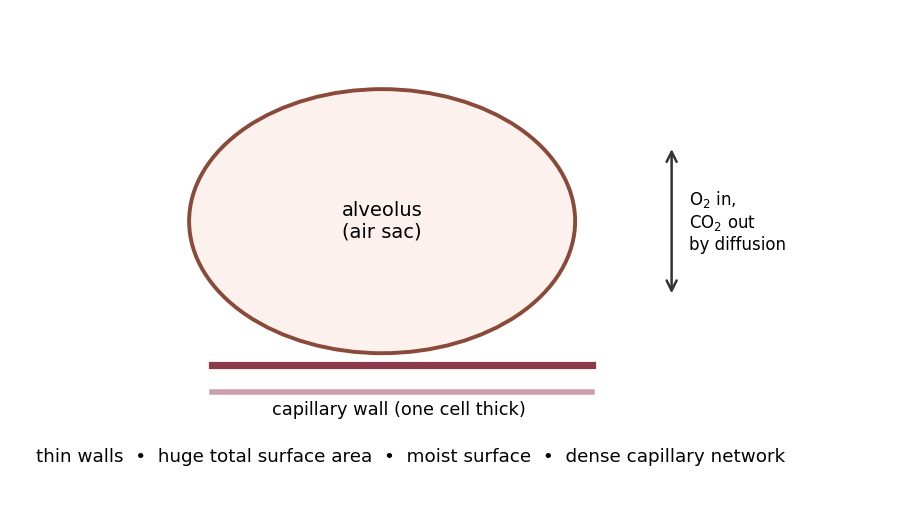
Humans. A balanced diet: carbohydrate, protein, lipid, vitamins A (night vision), C (connective tissue), D (calcium absorption), calcium (bones) and iron (haemoglobin), water, and dietary fibre. Energy needs rise with activity, growth (age) and pregnancy. The alimentary canal — mouth → oesophagus → stomach → duodenum and ileum → colon and rectum, with the pancreas supplying enzymes — moves food by peristalsis 蠕动. Digestion: amylase and maltase (starch → glucose), proteases (protein → amino acids), lipases (lipid → fatty acids + glycerol). Bile (made in the liver, stored in the gall bladder) neutralises stomach acid and emulsifies lipids into droplets. The ileum's wall is folded into villi 绒毛: huge surface area, one-cell-thick walls, dense capillary network — built for absorption.
Respiration and gas exchange
Respiration releases energy from glucose to make ATP, which supplies energy for muscle contraction, protein synthesis and active transport. Aerobic: glucose + oxygen → carbon dioxide + water (symbol equation: C₆H₁₂O₆ + 6O₂ → 6CO₂ + 6H₂O). Anaerobic (without oxygen): in animals glucose → lactic acid (less energy, oxygen debt); in plants and yeast glucose → ethanol + carbon dioxide.
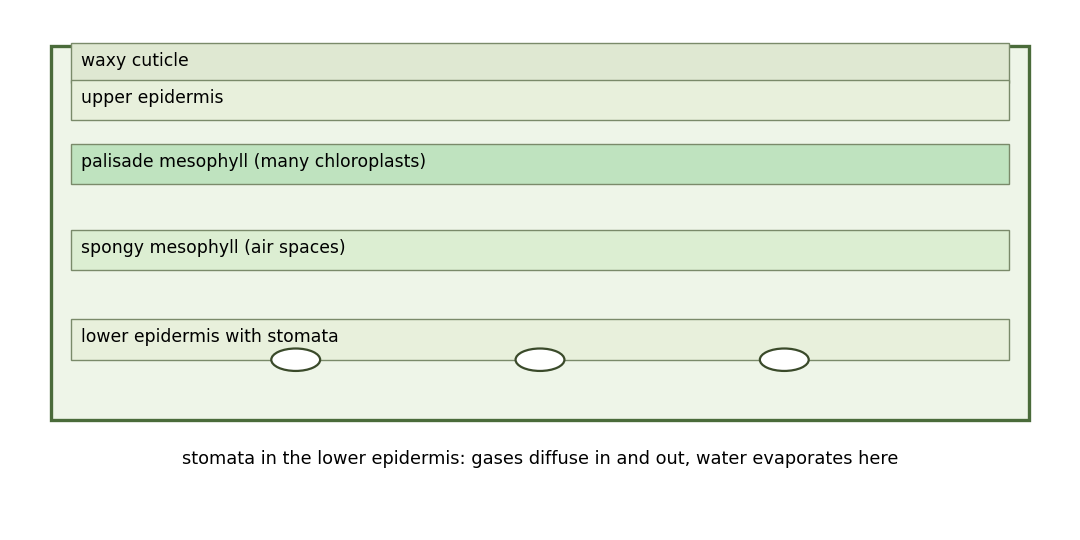
Plants (2.40B–2.45B). Gases move by diffusion through stomata; the leaf's flat shape, air spaces and thin, moist surfaces serve gas exchange as they serve photosynthesis. By day, photosynthesis outweighs respiration, so the net exchange is CO₂ in and O₂ out; at night only respiration continues (net O₂ in, CO₂ out). Hydrogen-carbonate indicator shows this: orange → yellow with CO₂ (dark), orange → purple with less CO₂ (bright light).
Humans (2.46–2.50). The thorax: ribs, intercostal muscles, diaphragm, trachea → bronchi → bronchioles → alveoli, all in pleural membranes. Inhaling: intercostal muscles and diaphragm contract, the chest volume rises, pressure falls and air flows in. Smoking damages alveoli (emphysema), clogs arteries and raises coronary heart disease risk.
Transport
Unicellular organisms manage with diffusion alone — every part is close to the surface. Multicellular organisms need transport systems.
Plants.Xylem transports water and mineral ions from roots to leaves; phloem carries sucrose and amino acids between leaves and the rest of the plant. B-extension: root hair cells absorb water by osmosis; transpiration 蒸腾作用 is the evaporation of water from surfaces, mostly via stomata, faster in low humidity, high wind, high temperature and bright light.
Humans. Blood: plasma (carries CO₂, digested food, urea, hormones, heat), red blood cells (biconcave discs, no nucleus, full of haemoglobin 血红蛋白 — a large surface and short diffusion path for oxygen), white blood cells (phagocytes ingest pathogens; lymphocytes release specific antibodies), and platelets (clotting, B-extension; vaccination builds memory cells, B-extension).
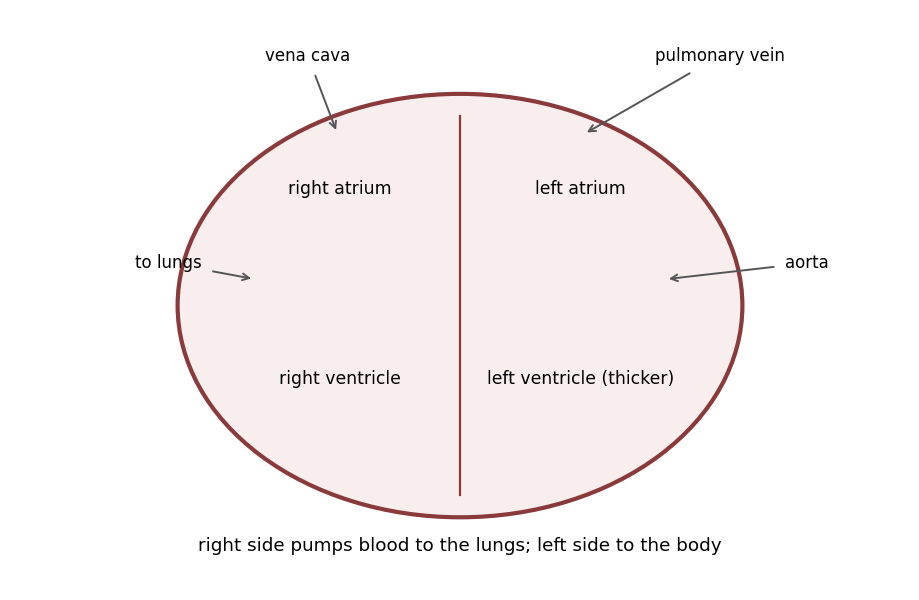
The heart's right side pumps blood to the lungs, the left side to the body; exercise and adrenaline raise heart rate. Arteries carry blood away at high pressure (thick, elastic walls), veins return it at low pressure (wide lumen, valves), capillaries exchange materials (one-cell-thick walls). Risk factors for coronary heart disease include smoking, high-fat diet and lack of exercise.
Excretion
Plants lose waste O₂ and CO₂ through stomata. Humans excrete CO₂ (lungs), urea + water + ions (kidneys — water and urea also in sweat). B-extension: the kidney filters blood in nephrons (Bowman's capsule → glomerulus; ultrafiltration; selective reabsorption of all glucose at the proximal convoluted tubule; water reabsorbed from the collecting duct under ADH — osmoregulation). Urine holds water, urea and ions; the urinary system runs kidneys → ureters → bladder → urethra.
Coordination and response
Homeostasis 稳态 keeps the internal environment constant (water content, temperature). A coordinated response needs stimulus → receptor → effector. Plants respond to light (phototropism 向光性) and gravity (geotropism) — shoots grow towards light, roots downwards — controlled by auxin 生长素 accumulating on the shaded side of a shoot.
Nervous control is electrical, fast and short-lived; hormonal control is chemical in the blood, slower and longer-lasting. The CNS (brain and spinal cord) links to sense organs by nerves; at a synapse 突触 a neurotransmitter 神经递质 passes the signal between neurones.
The eye focuses by changing lens shape (near: more curved) and responds to light via the pupil. Skin temperature control: sweating cools by evaporation; vasodilation loses heat; vasoconstriction conserves it. Hormones: adrenaline (adrenal glands — fight or flight), insulin (pancreas — lowers blood glucose), testosterone (testes), progesterone and oestrogen (ovaries); B-extension adds ADH (pituitary), FSH and LH (pituitary — menstrual cycle).
Check yourself
Put in order of size: cell, organ, organelle, system, tissue.
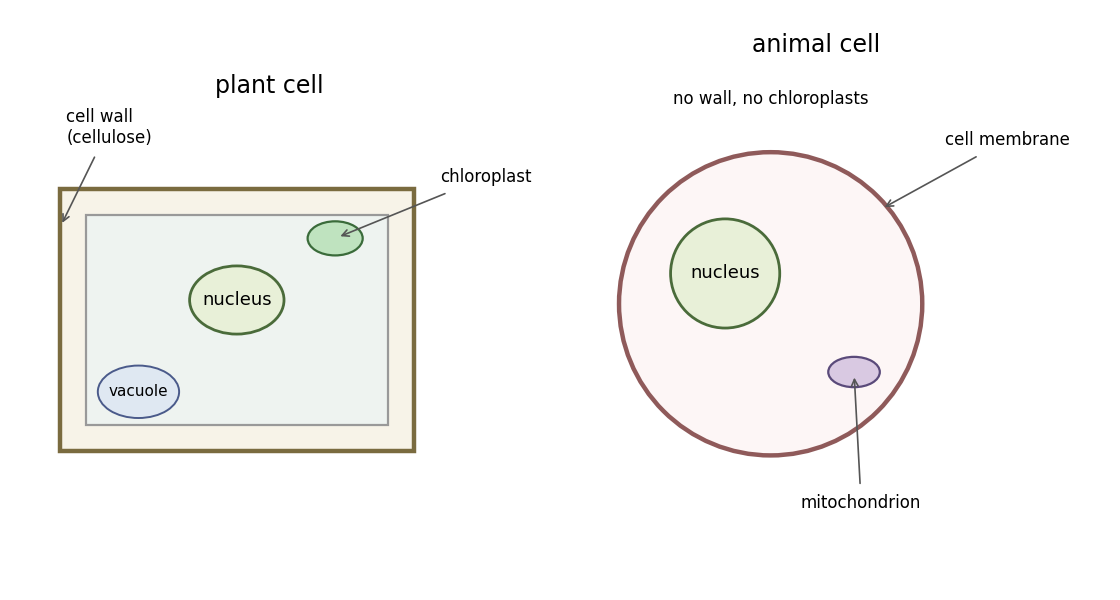
Give two structures a plant cell has that an animal cell lacks, and one the animal cell has that most plant cells lack many of.
Name the small units that build proteins, starch and lipids.
State the colour changes for Benedict's, iodine and Biuret tests.
Why does heating an enzyme far above its optimum stop it working?
Distinguish diffusion, osmosis and active transport in one sentence each.
Write the balanced symbol equation for photosynthesis and for aerobic respiration.
Give two adaptations of the leaf for photosynthesis and two of the alveolus for gas exchange.
Why can a single-celled organism survive without a transport system?
Compare arteries, veins and capillaries by wall thickness, lumen size and function.
Outline what happens to glucose, water and urea as liquid passes along a nephron (B).
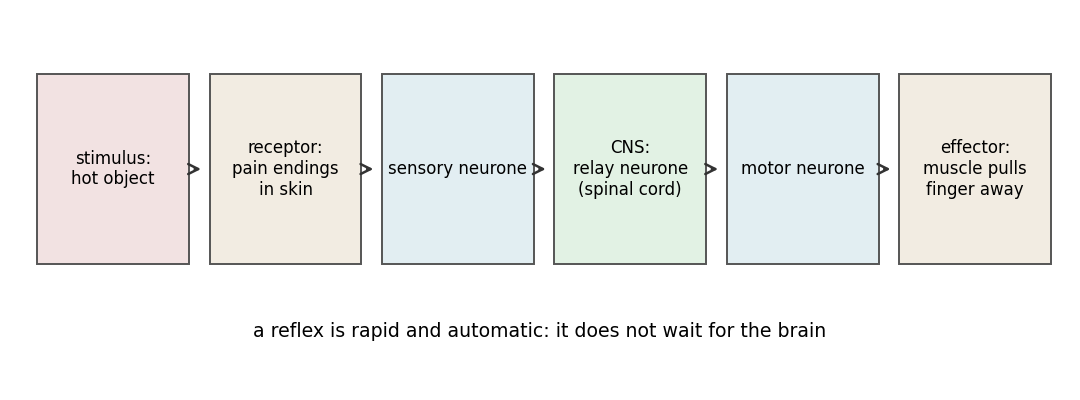
State the pathway of a reflex arc, and give one advantage of reflexes.
Answers: 1 organelle → cell → tissue → organ → system; 2 cellulose wall and chloroplasts (and a large permanent vacuole); animal cells contain many mitochondria; 3 amino acids; simple sugars; fatty acids and glycerol; 4 Benedict's blue → brick red (with glucose, heated); iodine yellow-brown → blue-black (with starch); Biuret blue → purple (with protein); 5 the active site changes shape (denaturation) so the substrate no longer fits; 6 diffusion — net movement down a concentration gradient; osmosis — water only, across a partially permeable membrane; active transport — against the gradient, using energy; 7 6CO₂ + 6H₂O → C₆H₁₂O₆ + 6O₂ (light, chlorophyll); C₆H₁₂O₆ + 6O₂ → 6CO₂ + 6H₂O; 8 leaf: broad flat surface and palisade cells packed with chloroplasts (or air spaces/stomata); alveolus: one-cell-thin walls and enormous surface area (moist surface, capillary network); 9 its surface area is large compared with its volume, so diffusion reaches every part quickly enough; 10 arteries — thick muscular walls, narrow lumen, carry blood away at high pressure; veins — thin walls, wide lumen, valves, return blood at low pressure; capillaries — one-cell-thick walls, exchange materials; 11 (B) all glucose is selectively reabsorbed into the blood at the proximal convoluted tubule; water is reabsorbed from the collecting duct (controlled by ADH); urea is not reabsorbed and leaves in the urine with water and ions; 12 stimulus → receptor → sensory neurone → relay neurone (CNS) → motor neurone → effector; reflexes are rapid and automatic, protecting the body before harm is done.
Every living thing gets one chance to pass its genes on. Flowers do it with petals and pollen, humans with gametes and cycles of hormones — and the packets of information that pass are chromosomes, shuffled by meiosis and recombined at fertilisation. This section runs from flower structure to monohybrid crosses, from Darwin's finches to antibiotic-resistant bacteria.
Edexcel International GCSE Biology 4BI1, Section 3 (statements 3.1–3.39) is the genetics and reproduction section. Crosses and pedigrees carry reliable marks for students who lay out a genetic diagram properly.
Reproduction
Sexual reproduction needs two gametes; the offspring are genetically different. Asexual reproduction needs one parent; the offspring are genetically identical clones.
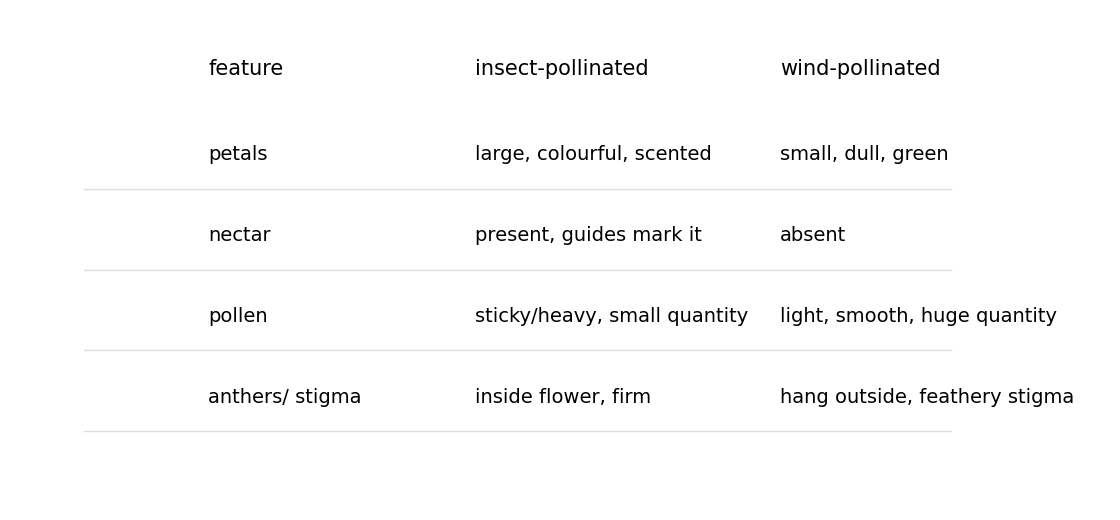
Flowering plants. Insect-pollinated flowers have large colourful petals, scent and nectar; wind-pollinated flowers are small and green, with light smooth pollen in huge quantities, anthers hanging outside and feathery stigmas.
After pollination 传粉 the pollen grain grows a pollen tube 花粉管 down the style; fertilisation 受精 follows, and the ovule becomes the seed while the ovary becomes the fruit. Germinating seeds live on their stored food reserves until the seedling can photosynthesise. Plants reproduce asexually by runners and artificially by cuttings.
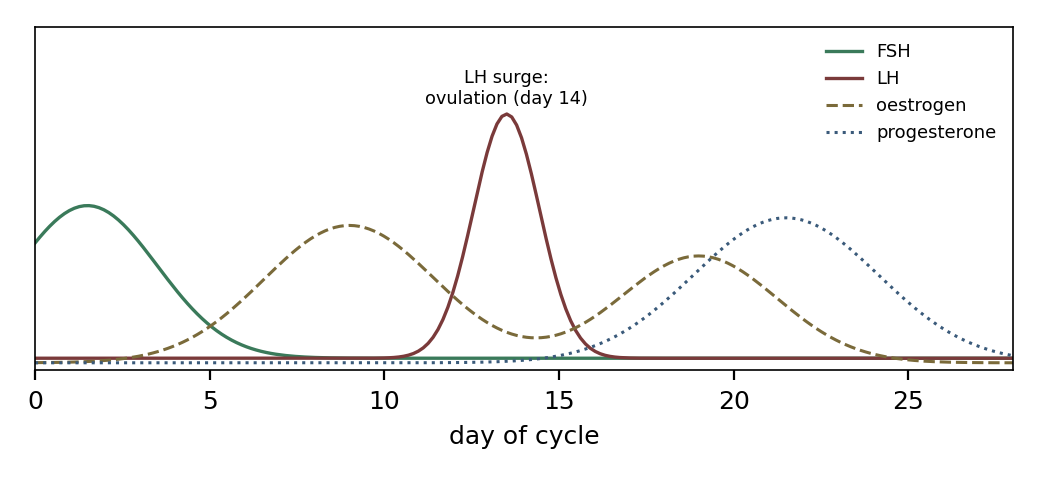
Humans. The menstrual cycle: FSH 促卵泡激素 matures an egg in the ovary; the mature follicle releases oestrogen 雌激素, which thickens the uterus lining and triggers the LH surge that causes ovulation at about day 14; the empty follicle becomes a corpus luteum releasing progesterone 孕酮, holding the lining thick until day 28, when the falling hormone levels bring menstruation (B: FSH and LH from the pituitary).
The placenta supplies the embryo with oxygen and nutrients and removes waste; amniotic fluid protects it. Oestrogen and testosterone 睾酮 drive the development of secondary sexual characteristics.
Inheritance
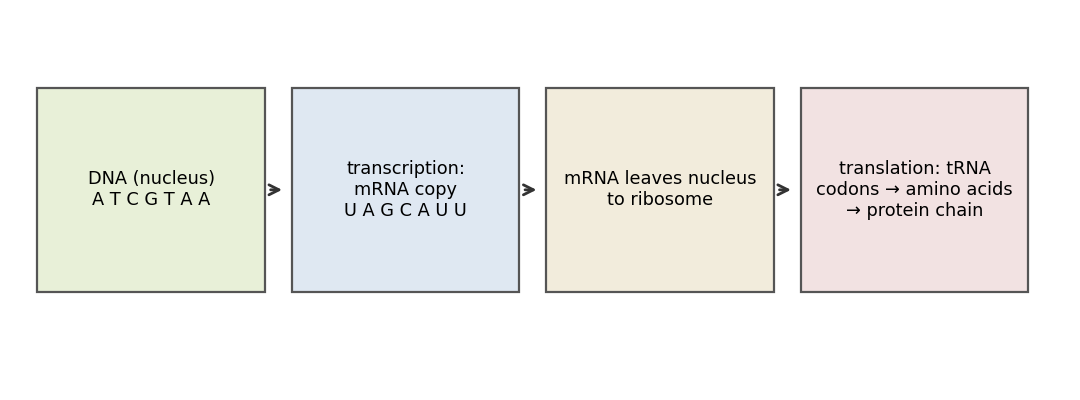
The genome 基因组 is all an organism's DNA; a gene is a section of a DNA molecule coding for one protein. Genes sit on chromosomes in the nucleus. (B) DNA is a double helix 双螺旋 with paired bases — A–T and C–G; RNA is single-stranded with U replacing T. (B) Protein synthesis: transcription 转录 copies the gene to mRNA in the nucleus; translation 翻译 at the ribosome reads codons 密码子, each matched by a tRNA anticodon carrying its amino acid, building the chain.
Alleles 等位基因 are alternative forms of a gene. Vocabulary: dominant 显性 (shows if one copy present), recessive 隐性 (needs two), homozygous 纯合, heterozygous 杂合, genotype 基因型, phenotype 表型; (B) codominance 共显性 — both alleles expressed. Most features are polygenic, not single-gene.
A monohybrid cross, laid out to earn its marks: parents' genotypes → gametes → Punnett grid → phenotype ratio.
Worked check. Cystic fibrosis (cf, recessive): both parents heterozygous Cc × Cc. Gametes C or c. Offspring CC, Cc, Cc, cc — 3 unaffected : 1 affected; a 1-in-4 chance per child, the same chance every child.
Sex determination: XX female, XY male. Mother always gives X; father gives X or Y — a genetic diagram of X×X, X×Y gametes gives 1:1 female:male, and the father's gamete decides the sex.
Mitosis 有丝分裂 makes two cells with identical chromosomes — growth, repair, cloning, asexual reproduction. Meiosis 减数分裂 makes four genetically different haploid 单倍体 gametes (human diploid 46 → haploid 23), and random fertilisation of any sperm with any egg creates further variation.
Variation can be genetic, environmental, or both. Mutation 突变 is a rare, random change in DNA that can be inherited — mostly harmless, occasionally significant (B: a changed base can alter one amino acid and the protein's shape); ionising radiation and chemical mutagens such as tobacco chemicals raise mutation rates.
Evolution
Darwin's natural selection 自然选择, step by step: organisms produce more offspring than survive; variation exists within a species; those with characteristics best suited to the environment survive and reproduce, passing the alleles on; over generations the advantageous characteristic becomes more common.
Antibiotic resistance is selection in action: a random mutation makes one bacterium resistant; antibiotics kill the non-resistant majority; the resistant bacterium survives and reproduces — completing courses of antibiotics and avoiding overuse slows the spread, and resistant infections become hard to control.
Check yourself
Give two differences between sexual and asexual reproduction.
State two adaptations of a wind-pollinated flower.
What happens after the pollen tube reaches the ovule?
Which hormone surges at day 14, and what does it cause?
Define gene, allele and genome.
(B) Name the base that replaces thymine in RNA, and where translation happens.
Cross Cc × cc and give the phenotype ratio.
Why does the father's gamete determine the sex of a child?
Give two differences between mitosis and meiosis.
Explain antibiotic resistance by natural selection in three steps.
Answers: 1 sexual — two parents, genetically different offspring; asexual — one parent, genetically identical offspring; 2 light smooth pollen in large quantity; anthers hanging outside the flower with a feathery stigma (small dull petals, no nectar); 3 the male gamete fuses with the ovule's egg cell — fertilisation; the ovule becomes a seed and the ovary a fruit; 4 LH — ovulation (release of the egg); 5 gene — a DNA section coding for one protein; allele — an alternative form of a gene; genome — all the organism's DNA; 6 (B) uracil; at a ribosome; 7 gametes C, c and c, c → Cc, Cc, cc, cc — 1 unaffected : 1 affected; 8 the mother's egg always carries X; the sperm carries X or Y, so XX (female) or XY (male) depends on the sperm; 9 mitosis — two cells, identical, same (diploid) chromosome number, for growth/repair/asexual reproduction; meiosis — four cells, genetically different, half the number (haploid), for gametes; 10 a mutation gives one bacterium resistance; the antibiotic kills the non-resistant bacteria; the resistant one survives and reproduces, so resistance spreads.
البركة تحتوي أكثر من الماء: مجتمعات تتغذى على بعضها البعض، وتُعدّل الكربون والنيتروجين، وتستجيب — أحياناً بشكل كارثي — لما يضيفه البشر.生态学 يطرح أربع أسئلة: من يعيش هنا (مجتمع، تجمع سكاني، موطن، نظام بيئي)، من يأكل من (سلاسل غذائية، شبكات غذائية، أهرامات)، ماذا يدور (دورات الكربون والنيتروجين)، وماذا نفعل به (التلوث، الغازات الدفيئة، التحمض، إزالة الغابات).
Edexcel International GCSE Biology 4BI1, Section 4 (العبارات 4.1–4.18B) تجاز التعريفات الدقيقة ورسم دورة الكربون من الذاكرة.
الكائن الحي في البيئة
المجتمع هو جميع الكائنات الحية لنوع واحد في موطن؛ التجمع السكاني هو جميع المجموعات في ذلك الموطن؛ الموطن هو المكان؛ النظام البيئي هو التجمع بالإضافة إلى محيطه غير الحي. حجم المجتمع يحدده عوامل لا حيوية (الضوء، الماء، درجة الحرارة) وعوامل حيوية (الغذاء، المفترسات، الأمراض، المنافسة). عمليتا المربع التقديري تُقدّر حجم المجتمع (متوسط لكل مربع × المساحة الكلية ÷ مساحة المربع)، و(B) المربعات على طول خط عرض يُظهر التوزيع والتنوع البيولوجي.
علاقات التغذية
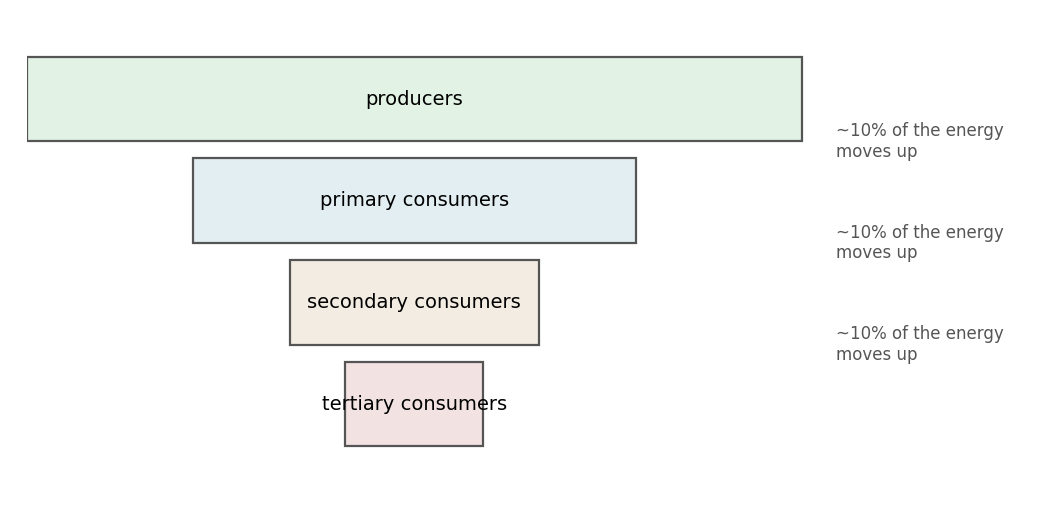
المنتجون (النباتات) يمسكون الطاقة الضوئية؛ المستهلكون الأوليون يتغذون على المنتجين؛ يليهم المستهلكون الثانويون والثانويون؛ المحللون يكسرون المواد الميتة. تشير الأسهم في السلسلة الغذائية من المأكول إلى الآكل — وهو اتجاه تدفق الطاقة. قد تنعكس أهرامات العدد (شجرة واحدة، حشرات كثيرة)، لكن أهرامات الكتلة الحيوية وانتقال الطاقة تضيق دائمًا نحو الأعلى — لأن حوالي 10 % فقط من الطاقة عند مستوى ما تنتقل إلى المستوى التالي: الباقي يُفقد في التنفس والحركة والإخراج، وكحرارة.
الدورات داخل النظم البيئية
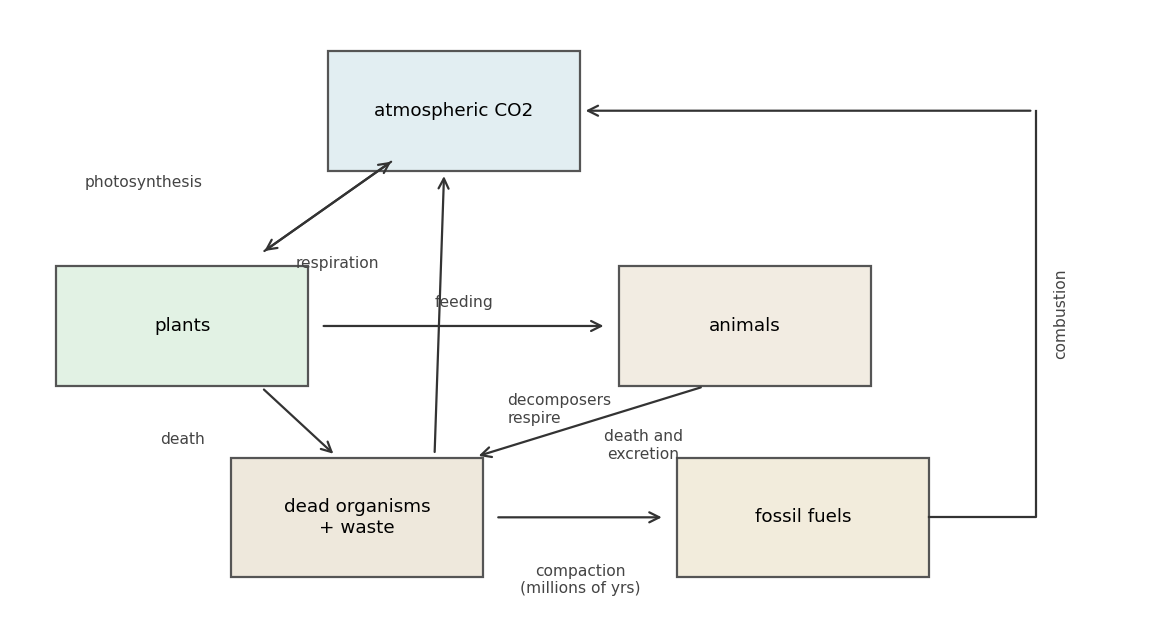
الكربون: يزيل البناء الضوئي CO₂ من الهواء؛ ينقل التغذية الكربون عبر السلاسل؛ التنفس (جميع الكائنات) والتحليل يعيدانه؛ احتراق الوقود الأحفري يطلق الكربون المخزن لملايين السنين.
(B) النيتروجين: بكتيريا تثبيت النيتروجين تصنع مركبات نيتروجينية من N₂ الجوي؛ محللون يحللون المواد الميتة إلى أمونيا؛ بكتيريا نترتة تحول الأمونيا إلى نترات تمتصها النباتات؛ بكتيريا نزع النيتروجين تعيد النيتروجين للهواء.
تأثيرات بشرية
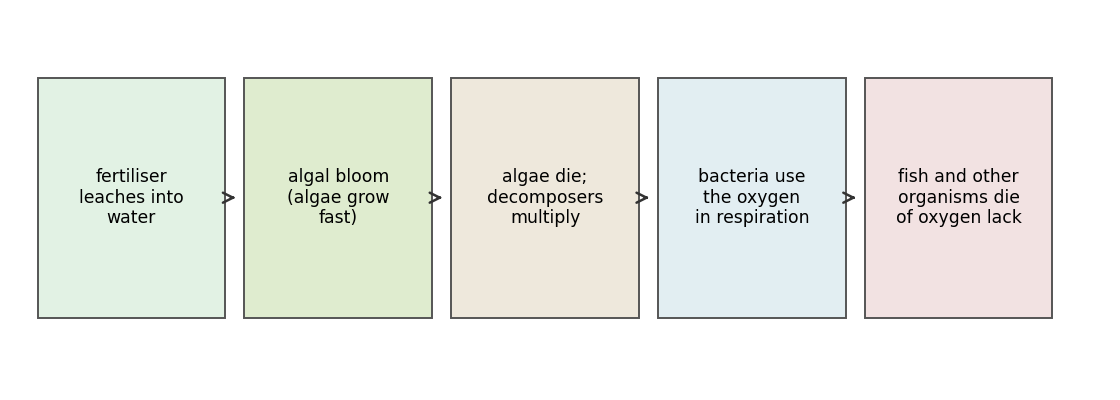
تلوث الهواء: ثاني أكسيد الكبريت يذوب في المطر لتكوين حمض الأمطار (يضر الأوراق والبحيرات والمباني)؛ أول أكسيد الكربون يرتبط بالهيموجلوبين، مما يقلل الأكسجين الذي يمكن للدم حمله. الغازات الدفيئة — بخار الماء وثاني أكسيد الكربون وأكسيد النيتروز والميثان والفلوروكربونات — تحتبس الإشعاع الخارج؛ إضافة الحرق، وإزالة الغابات، والزراعة والصناعة لها، وتثخين الغلاف (تأثير الدفيئة المعزز)، مما يجلب الاحترار العالمي مع ارتفاع منسوب البحر وتغير المناخ. المخلفات البشرية في الماء تغذي ميكروبات تستهلك الأكسجين. الإثراء الغذائي: تسرب الأسمدة إلى الماء، يتكاثر الطحالب، تموت، وتحلل المحللون الأكسجين — تختنق الأسماك.
(B) إزالة الغابات: تقضي الجذور والظلة: تسرب الأمطار المعادن من التربة، تتآكل التربة، ويقل التبخر-النتح (سحب ومطر أقل)، ويعود الكربون المخزن إلى الهواء، مما يخل بتوازن الغازات الجوية.
تحقق من نفسك
عرّف السكان، والمجتمع، والموطن، والنظام البيئي.
لماذا يمكن أن تنعكس هرم العدد بينما لا يمكن ذلك في هرم الكتلة الحيوية؟
اشرح لماذا ينتقل حوالي 10 % فقط من الطاقة بين المستويات الغذائية.
سمّ العمليات الأربع لدورة الكربون.
(B) أي البكتيريا تحول الأمونيا إلى نترات، وأيها يعيد النيتروجين للهواء؟
لماذا يقتل أول أكسيد الكربون؟
سمّ الغازات الدفيئة الخمسة.
صف تتابع الإثراء الغذائي في أربع خطوات.
(B) اذكر نتيجتين لإزالة الغابات على دورة الكربون ونتيجتين على التربة.
الإجابات: 1 السكان — جميع الكائنات الحية لنوع واحد في موطن؛ المجتمع — جميع populations في موطن؛ الموطن — المكان الذي تعيش فيه الكائنات الحية؛ النظام البيئي — المجتمع بالإضافة إلى بيئته؛ 2 عدد الأفراد يحسب كل فرد — شجرة واحدة ضخمة قد تطعم الكثير من الحشرات، مما يعكس الشكل — بينما يقيس الكتلة الحيوية إجمالي الكتلة، والتي تنخفض دائمًا مع كل مستوى؛ 3 تُفقد الطاقة في كل خطوة عبر التنفس (الحرارة)، والحركة، وإخراج/إخراج الأجزاء غير المؤكلة؛ 4 البناء الضوئي، التنفس، التحلل، الاحتراق؛ 5 (B) البكتيريا النافثة للنيتروجين؛ البكتيريا المختزلة للنيتروجين؛ 6 ترتبط بالهيموجلوبين بقوة أكبر من الأكسجين، مما يقلل نقل الدم للأكسجين إلى الأنسجة؛ 7 بخار الماء، ثاني أكسيد الكربون، أكسيد النتراس، الميثان، الفريونات؛ 8 تتدفق الأسمدة إلى الماء → ازدهار الطحالب → تموت الطحالب وتتكاثر المحللات → تتنفس المحللات مستخدمة الأكسجين، مما يؤدي لموت الأسماك والكائنات الأخرى؛ 9 (B) الكربون: fewer trees photosynthesise, and burning/combaction releases stored carbon; التربة: تسرب المعادن والتعرية بدون جذور، مع انخفاض التبخر-النقل.
Bread rises, yoghurt thickens, insulin saves lives — all products of organisms put to work. This last section covers how humans increase yields (glasshouses, fertiliser, pest control), grow micro-organisms at scale (fermenters), and change organisms deliberately: selective breeding, genetic modification and cloning.
Edexcel International GCSE Biology 4BI1, Section 5 (statements 5.1–5.20B) completes the course. The B-suffixed statements (fish farming, micropropagation, mammal cloning) are Biology-only.
Food production
Crop plants.Glasshouses and polythene tunnels trap heat and shelter crops, letting farmers control light, temperature, CO₂ and water; raising CO₂ and temperature toward the optimum lifts the photosynthesis rate and yield. Fertilisers replace mineral ions (nitrate for amino acids, magnesium for chlorophyll) the soil loses with each harvest. Pest control: pesticides kill pests quickly and completely but risk bioaccumulation 生物累积, harming other species and leaving residues; biological control 生物防治 (introducing a pest's predator) is self-sustaining and specific but slow and less controllable if the control species itself spreads.
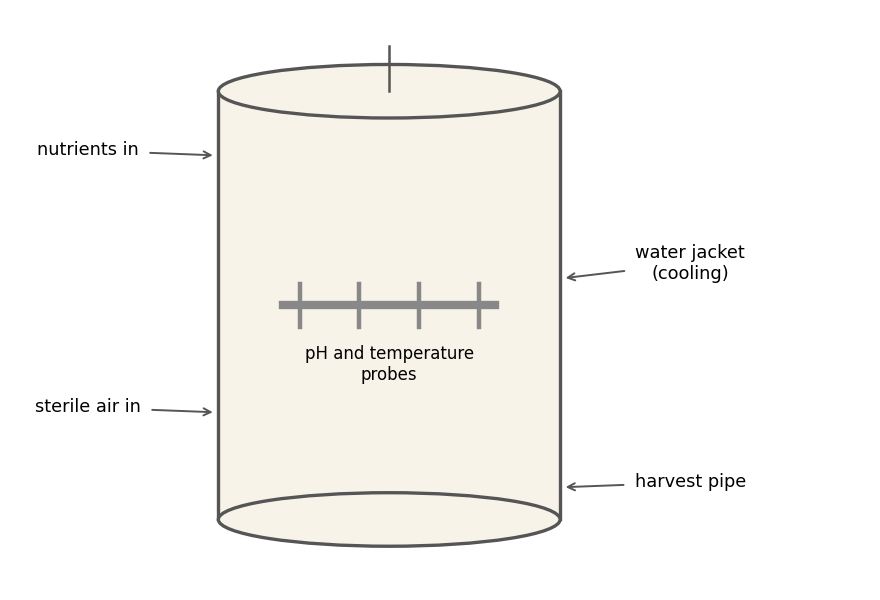
Micro-organisms.Yeast 酵母 ferments sugar: anaerobically it produces carbon dioxide (which raises bread) and ethanol; Lactobacillus converts milk sugar to lactic acid, thickening yoghurt. An industrial fermenter 工业发酵罐 keeps micro-organisms at their optimum: aseptic precautions (no contamination), nutrients, optimum temperature and pH, oxygenation (air supply for aerobic cultures) and agitation (stirring spreads heat and nutrients evenly).
(B) Fish farming provides protein efficiently: maintain water quality, control predation (intraspecific — among the fish — and interspecific), control disease, remove waste, control feeding quality and frequency, and selectively breed fast-growing strains.
Selective breeding
Choose parents with the desired characteristics → breed them → select the best offspring → repeat over generations. It develops plants with higher yield, disease resistance or hardiness, and animals with more meat, milk or docility — but it narrows the gene pool, increasing vulnerability to disease, and takes many generations.
Genetic modification (genetic engineering)
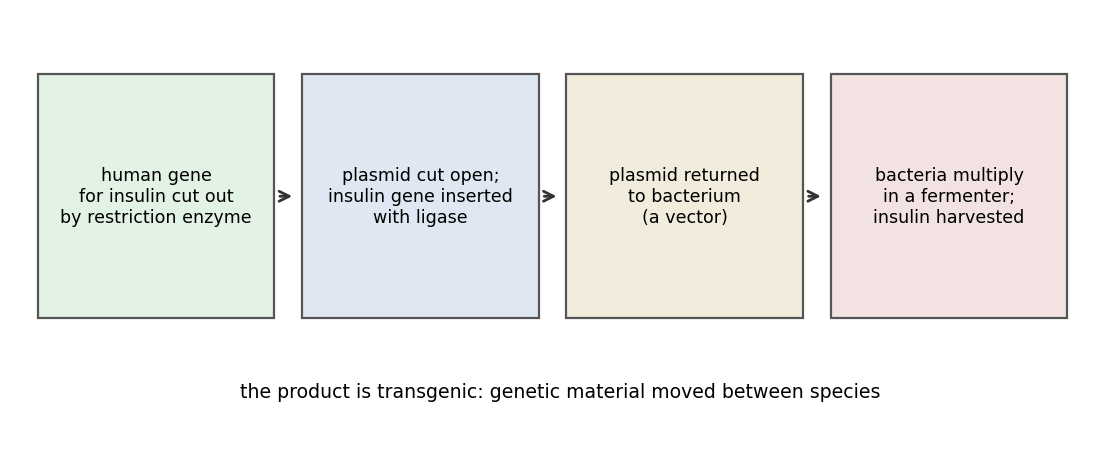
Restriction enzymes 限制性内切酶 cut DNA at specific sites; ligase 连接酶 joins pieces of DNA together. A plasmid 质粒 (or a virus) acts as a vector 载体: the human insulin gene is cut out, inserted into a opened plasmid, and the recombinant DNA is taken up by bacteria, which multiply in a fermenter producing human insulin. GM plants can resist pests or herbicides or make more food. An organism receiving genes from a different species is transgenic 转基因.
Cloning (B)
Micropropagation 微繁殖 (tissue culture): a small explant 外植体 is grown in vitro 体外 on a nutrient medium with growth hormones, producing genetically identical plantlets — commercial quantities of plants with desirable characteristics, disease-free and fast. Mammal cloning: a diploid nucleus from a mature cell is inserted into an enucleated egg cell (its own nucleus removed); the cell divides into an embryo placed in a surrogate — Dolly the sheep. Cloned transgenic animals can produce human proteins in their milk.
Check yourself
Give two ways a glasshouse raises crop yield.
State one advantage and one disadvantage of biological control.
Why does Lactobacillus thicken milk?
List the five conditions a fermenter maintains.
(B) Name two methods of controlling predation in fish farming.
Give two drawbacks of selective breeding.
Name the enzyme that cuts DNA and the one that joins it.
What is a vector in genetic engineering?
Explain why bacteria with the human insulin gene make useful medicine.
(B) Outline the stages of cloning a mammal.
Answers: 1 Traps heat near the optimum; CO₂, light and water controlled (any two); 2 Advantage — self-sustaining, no residues; disadvantage — slow, and the control species may spread; 3 It converts lactose to lactic acid, which coagulates the milk protein; 4 aseptic conditions, nutrients, optimum temperature and pH, oxygenation, agitation; 5 (B) net cages against interspecific predators; lower stocking density against intraspecific; 6 narrows the gene pool, so disease spreads easily; takes many generations.
Answers continued: 7 Restriction enzymes cut; ligase joins; 8 a plasmid or virus carrying recombinant DNA into a cell; 9 they multiply fast in a fermenter, secreting human insulin — safe and producible at scale; 10 (B) Diploid nucleus from a mature cell → enucleated egg → divides into an embryo → implanted in a surrogate.
 Variation can be genetic, environmental, or both. Mutation