Malware · البرمجيات الخبيثة
This page needs a recent browser (with SharedArrayBuffer support). Please update Chrome, Edge, Firefox or Safari to the latest version. · تحتاج هذه الصفحة إلى متصفح حديث (يدعم SharedArrayBuffer). يرجى تحديث Chrome أو Edge أو Firefox أو Safari إلى أحدث إصدار.
English
Malware = malicious software
- Malware is any program written to harm a computer or steal from it.
- The exam expects you to know the main types and how they differ. Here they are.
العربية
البرمجيات الخبيثة = برمجيات ضارة
- البرمجيات الخبيثة هي أي برنامج مُصمم لإضرار بحاسوب ما أو سرقة بيانات منه.
- يتوقع منك الامتحان معرفة الأنواع الرئيسية وكيفية اختلافها. إليكها هنا.
English
Spreading types
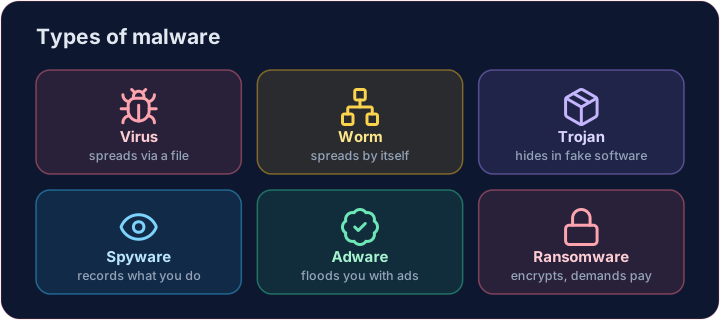
- Virus — attaches to a file; runs and spreads when you open that file.
- Worm — spreads by itself across a network, with no file to open. The Morris worm was one.
- Trojan horse — pretends to be useful software, but hides something harmful inside.
العربية
طرق الانتشار
- الفيروس — يلتصق بملف؛ وينفذ وينتشر عند فتح ذلك الملف.
- الدودة — تنتشر بشكل مستقل عبر الشبكة، دون الحاجة لفتح ملف. كانت دودة موريس أحد أمثلتها.
- حصان طروادة — يتظاهر بأنه برنامج مفيد، لكنه يخفي شيئاً ضاراً في الداخل.
English
Stealing and spying types
- Spyware — secretly records what you do, such as the keys you type (your passwords).
- Adware — floods you with adverts; often bundled with free downloads.
العربية
أنواع السرقة والتجسس
- برمجيات التجسس — تسجل سرعاً ما تفعله، مثل المفاتيح التي تضغطها (كلمات مرورك).
- البرمجيات الإعلانية — تغرقك بالإعلانات؛ وغالباً ما تكون مدمجة مع التحميلات المجانية.
English
Holding data hostage
- Ransomware — encrypts your files and demands payment for the key to unlock them.
- It has shut down hospitals and companies. The best defence is backups you can restore from.
Covers: IGCSE 5.3 (Cyber security threats), A-Level 6.1, AP CSP Big Idea 5.
العربية
احتجاز البيانات كرهائن
- برمجيات الفدية — تشفير ملفاتك وتطلب دفع فدية للحصول على مفتاح فك تشفيرها.
- أوقفت المستشفيات والشركات. أفضل دفاع هو النسخ الاحتياطية التي يمكنك استعادتها منها.
يتناول: IGCSE 5.3 (تهديدات الأمن السيبراني)، A-Level 6.1، AP CSP الفكرة الكبرى 5.
English
Now you try
- First, read three behaviours and name the malware type each one describes.
- Then play defender: ransomware has struck, and you must count how many files your backup can restore.
العربية
الآن جرب بنفسك
- أولاً، اقرأ ثلاثة سلوكيات وسمّ نوع البرمجيات الخبيثة الذي يصفه كل منها.
- ثم كن مدافعاً: قد ضربتك برمجيات الفدية، وعليك أن تحسب كم عدد الملفات التي يمكن للنسخ الاحتياطي استعادتها.
English
Common mistakes
- A virus needs a host file to spread; a worm spreads by itself across a network.
- A Trojan hides inside useful-looking software.
العربية
أخطاء شائعة
- يحتاج الفيروس إلى ملف مضيف لينتشر، بينما تنتشر الدودة بنفسها عبر الشبكة.
- يختبئ حصان طروادة داخل برامج تبدو مفيدة.
Name the malware. Read each behaviour and set the variable to virus, worm or trojan. · سمّ البرمجيات الخبيثة. اقرأ كل سلوك واضبط المتغير على virus، worm أو trojan.
Click Run to see the output here. · اضغط تشغيل لرؤية المخرجات هنا.
Ransomware has encrypted the laptop, but you kept a backup. Count how many of the files also appear in backup — that is how many you can restore. Print the count. · تم تشفير اللابتوب بواسطة برمجيات احتجاز، لكنك احتفظ بنسخة احتياطية. احسب كم عدد files التي تظهر أيضاً في backup — هذا هو عدد ما يمكنك استعادته. اطبع العدد.
Click Run to see the output here. · اضغط تشغيل لرؤية المخرجات هنا.