The Create Performance Task (guided) · إنشاء مهمة الأداء (بإرشادات)
The Create Performance Task
- The Create Performance Task is a small program you design and build yourself.
- For the real AP exam you submit it (your code, a video, and written answers) through the AP Digital Portfolio.
- Important: the real task is graded by AP, not by this site. This lesson only helps you practice and structure it.
مهمة الأداء الإبداعي
- مهمة الأداء الإبداعي هو برنامج صغير تقوم بتصميمه وبناءه بنفسك.
- للامتحان الحقيقي، تقدمه (الكود الخاص بك، فيديو، وإجابات مكتوبة) عبر البورتفوليو الرقمي لـ AP.
- هام: المهمة الحقيقية يتم تقييمها من قبل AP، وليس من قبل هذا الموقع. هذه الدرس يساعدك فقط على التدريب وتنظيمها.
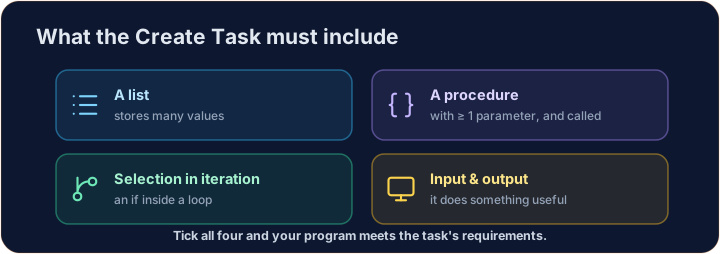
What your program must include
- A list (or other collection) that stores many values together.
- A procedure (a function) that takes at least one parameter, and that you call in your code.
- An algorithm with selection (
if) inside iteration (a loop). - Some input and some output so the program does something useful.
ما يجب أن يتضمنه برنامجك
- قائمة (أو مجموعة أخرى) تخزن عدة قيم معاً.
- إجراء (دالة) تأخذ على الأقل معامل واحد، وتقوم بـ استدعائه في الكود الخاص بك.
- خوارزمية تحتوي على اختيار (
if) داخل تكرار (حلقة). - بعض الـ المدخلات وبعض الـ المخرجات بحيث يقوم البرنامج بمهمة مفيدة.
Pick a small idea
- Keep it simple: you only need to show the skills above, not build a huge app.
- Good ideas: grade a list of scores, total a shopping list, sort students into teams, count words.
- Choose data you understand, so you can explain it later.
اختر فكرة صغيرة
- أبسط الأمر: أنت تحتاج فقط لإظهار المهارات المذكورة أعلاه، وليس بناء تطبيق ضخم.
- أفكار جيدة: تقييم قائمة من الدرجات، جمع قائمة تسوق، ترتيب الطلاب في فرق، عد الكلمات.
- اختر بيانات تفهمها، حتى تتمكن من شرحها لاحقاً.
A starter scaffold
- The program below has all the required parts. Read the comments to find each one.
- It uses a fixed list so it runs the same every time (no live typing needed here).
- Run it, then change the data and rules to make it your own.
إطار مبدئي
- البرنامج أدناه يحتوي على جميع الأجزاء المطلوبة. اقرأ التعليقات لإيجاد كل جزء.
- يستخدم قائمة ثابتة لذا يعمل بنفس الطريقة في كل مرة (لا حاجة للكتابة المباشرة هنا).
- شغله، ثم غيّر البيانات والقواعد لجعله خاصاً بك.
# 1) A LIST that stores many values
scores = [72, 95, 58, 88, 40, 67]

# 2) A PROCEDURE with a PARAMETER, that returns a result
def grade_for(score):
    # selection inside the procedure: choose a letter for one score
    if score >= 90:
        return "A"
    elif score >= 70:
        return "B"
    elif score >= 50:
        return "C"
    else:
        return "F"

# 3) An ALGORITHM: SELECTION (if) INSIDE ITERATION (for loop)
pass_count = 0
for s in scores:                 # iteration: visit every score
    letter = grade_for(s)        # call the procedure with a parameter
    if letter != "F":            # selection: is this a pass?
        pass_count = pass_count + 1
    print(f"score {s} -> grade {letter}")   # output

# More output: a summary
print(f"{pass_count} out of {len(scores)} passed")
Make it your own
- Change the list to your own data (and try a different length).
- Change the procedure: new rule, new parameter name, or return something else.
- Change the algorithm: count something new, or keep only items that pass the
if. - Add input if you like, for example
input("Enter a name: ").
اجعله خاصاً بك
- غيّر الـ قائمة ببياناتك الخاصة (وجرب طولاً مختلفاً).
- غيّر الـ الإجراء: قاعدة جديدة، اسم معامل جديد، أو إرجاع شيء آخر.
- غيّر الـ الخوارزمية: عِد شيئاً جديداً، أو احتفظ فقط بالعناصر التي تمر اختبار
if. - أضف مدخلات إذا أردت، على سبيل المثال
input("Enter a name: ").
Written-response prompts
- Answer these about your own program (this is the kind of writing the real task asks for):
- Purpose: What does your program do, and why is it useful?
- List: What does your list store, and how does using one list (instead of many separate variables) make the program simpler to manage?
أسئلة الاستجابة المكتوبة
- أجب عن هذه عن برنامجك الخاص (هذا هو نوع الكتابة الذي تتطلبه المهمة الحقيقية):
- الغرض: ماذا يفعل برنامجك، ولماذا هو مفيد؟
- القائمة: ماذا تخزن قائمتك، وكيف يجعل استخدام قائمة واحدة (بدلاً من العديد من المتغيرات المنفصلة) البرنامج أسهل في الإدارة؟
More written-response prompts
- Procedure & parameter: Name your procedure. What is its parameter, and what does the procedure do with it? What does it return?
- Algorithm: Describe the algorithm inside your loop in your own words. Point to where it uses selection (
if) and where it uses iteration (the loop), and say why both are needed.
المزيد من أسئلة الاستجابة المكتوبة
- الإجراء والمعامل: سمِّ إجراءك. ما هو معامله، وماذا يفعل الإجراء به؟ ماذا يرجع؟
- الخوارزمية: صف الخوارزمية داخل الحلقة الخاصة بك بكلماتك الخاصة. أشير إلى أين يستخدم الاختيار (
if) وأين يستخدم التكرار (الحلقة)، وقل لماذا كلاهما ضروري.
Rubric checklist
- Tick each item once your program has it:
قائمة التحقق من معايير التقييم
- ضع علامة عند كل عنصر بعد التأكد من أن برنامجك يحتوي عليه:
[ ] A list (or collection) is used in the program
[ ] A procedure is defined WITH at least one parameter
[ ] That procedure is CALLED somewhere in the program
[ ] The procedure does real work (not empty)
[ ] An algorithm uses selection (if) INSIDE iteration (a loop)
[ ] The program has input and/or output
[ ] I can explain every part in my own words
You can do this
- Start small, run it often, and fix one thing at a time.
- When every box above is ticked, you have the structure the Create Task needs.
- Remember: practice here first, then submit the real task through the AP Digital Portfolio.
يمكنك فعل ذلك
- ابدأ صغيراً، شغله كثيراً، وأصلح شيئاً واحداً في كل مرة.
- عندما يتم وضع علامة على كل مربع أعلاه، يكون لديك الهيكل المطلوب لمهمة الأداء الإبداعي.
- تذكر: تدرب هنا أولاً، ثم قدم المهمة الحقيقية عبر البورتفوليو الرقمي لـ AP.
Common mistakes
- Plan the program's purpose first, then build in small tested pieces.
- Be ready to explain what each part of your code does.
أخطاء شائعة
- خطط لغرض البرنامج أولاً، ثم بنّه في أجزاء صغيرة تم اختبارها.
- كن مستعداً لشرح ما يفعله كل جزء من كودك.
Now you try
- A warm-up: assemble the required parts once, using the scaffold's example data.
- Press Check answer to confirm every required part is there.
الآن جرب بنفسك
- تمرين افتتاحي: قم بتجميع الأجزاء المطلوبة مرة واحدة، باستخدام بيانات المثال الموجودة في الإطار.
- اضغط على تحقق من الإجابة لتأكيد وجود كل جزء مطلوب.
A warm-up that uses the scaffold's example data. (1) Keep the list scores. (2) Define grade_for(score) (one parameter) returning "A"/"B"/"C"/"F" by the rules above (>= 90, >= 70, >= 50, else "F"). (3) With selection (if) inside a loop over scores, count how many pass (grade is not "F") into pass_count. (4) print a summary line. · تسخين يستخدم بيانات المثال من السقالات. (1) احتفظ بالقائمة scores. (2) عرّف grade_for(score) (مع وسيط واحد) تُرجع "A"/"B"/"C"/"F" وفقًا للقواعد أعلاه (>= 90, >= 70, >= 50، وإلا "F"). (3) باستخدام الاختيار (if) داخل حلقة تكرار عبر scores، عدّ كم عدد الطلاب الذين نجحوا (الدرجة ليست "F") وضع الناتج في pass_count. (4) print سطر ملخص.
Click Run to see the output here. · اضغط تشغيل لرؤية المخرجات هنا.
The Create task also needs an algorithm you built yourself. Write top_score(scores) that returns the highest value using a loop — start with the first score, then compare each one. Do not use the built-in max. Then print the result. · تحتاج المهمة أيضًا إلى خوارزمية قمت ببنائها بنفسك. اكتب top_score(scores) تُرجع أعلى قيمة باستخدام حلقة تكرار — ابدأ بالدرجة الأولى، ثم قارن كل درجة. لا تستخدم الدالة المدمجة max. ثم print النتيجة.
Click Run to see the output here. · اضغط تشغيل لرؤية المخرجات هنا.