Impact of computing · تأثير الحوسبة
Computing changes the world
- Computing affects almost every part of life: school, work, health, money, and friends.
- The same tool can bring benefits (good effects) and harms (bad effects).
- A good computer scientist thinks about both sides, not just the cool features.
الحوسبة تغير العالم
- تؤثر الحوسبة على几乎 كل جزء من الحياة: المدرسة، العمل، الصحة، المال، والأصدقاء.
- نفس الأداة يمكن أن تجلب فوائد (نتائج جيدة) وأضراراً (نتائج سيئة).
- عالم الحاسوب الجيد يفكر في كلا الجانبين، وليس فقط الميزات المذهلة.
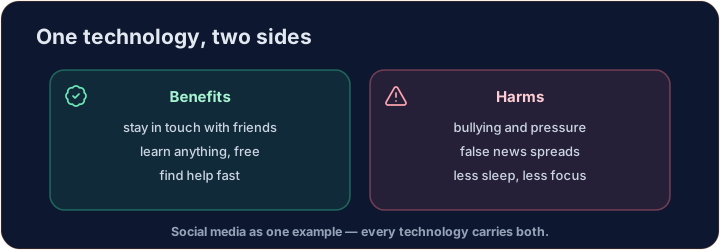
One technology, two sides:

  Social media
    Benefit: stay in touch, share, learn
    Harm:    bullying, false news, less sleep
Benefits and harms together
- A benefit for one group can be a harm for another.
- Example: an app that suggests videos keeps you watching (benefit for the company) but can waste your time (harm for you).
- Always ask: who gains, who loses, and what could go wrong?
الفوائد والأضرار معاً
- الفائدة لمجموعة ما قد تكون ضرراً لمجموعة أخرى.
- مثال: تطبيق يقترح مقاطع فيديو يبقيك نشاطاً (فائدة للشركة) لكنه قد يضيع وقتك (ضرر لك).
- اسأل دائماً: من يستفيد، ومن يتضرر، وما الذي قد يخطئ؟
The digital divide
- The digital divide is the gap between people who have good access to computing and those who do not.
- Causes include money, where you live (no fast Internet), and not having training.
- This is unfair: people without access miss out on school, jobs, and information.
الفجوة الرقمية
- الفجوة الرقمية هي الفاصل بين من لديهم وصول جيد إلى الحوسبة ومن ليس لديهم.
- تشمل الأسباب المال، ومكان السكن (عدم وجود إنترنت سريع)، وعدم وجود تدريب.
- هذا غير عادل: الناس الذين لا يمتلكون الوصول يخسرون فرص المدرسة، والعمل، والمعلومات.
Bias in computing
- Bias means an unfair result that favors one group over another.
- Software learns from data. If the data is unfair or incomplete, the results can be unfair too.
- Example: a face tool trained mostly on one kind of face may work badly for other people.
التحيز في الحوسبة
- التحيز يعني نتيجة غير عادلة تميل لصالح مجموعة على أخرى.
- يتعلم البرمجيات من البيانات. إذا كانت البيانات غير عادلة أو ناقصة، فقد تكون النتائج غير عادلة أيضاً.
- مثال: أداة وجه يتم تدريبها بشكل أساسي على نوع واحد من الوجوه قد لا تعمل بشكل جيد مع أشخاص آخرين.
Biased data  ->  biased results

  Training data:  mostly group A faces
  Result:         works well for A, poorly for B
Intellectual property and licensing
- Intellectual property (IP) is creative work people make: code, music, art, writing.
- A license is the rules for how others may use that work. Using work without permission can break the law.
- Open source software shares its code so others may read and reuse it; Creative Commons licenses let creators say "you may share this, with these conditions".
الملكية الفكرية والتراخيص
- الملكية الفكرية (IP) هي أعمال إبداعية يقوم بها الأشخاص: الأكواد، الموسيقى، الفنون، والكتابة.
- الرخصة هي القواعد التي تحدد كيفية استخدام الآخرين لهذا العمل. استخدام عمل دون إذن قد يكون مخالفاً للقانون.
- البرمجيات مفتوحة المصدر تشارك أكوادها ليتمكن الآخرون من قراءتها وإعادة استخدامها؛ بينما تسمح تراخيص كرييتيف كومنز للمبدعين بالقول "يمكنك مشاركة هذا، بشروط معينة".
Privacy and PII
- PII means Personally Identifiable Information: data that points to a real person.
- Examples: full name, home address, phone number, ID number, exact location.
- Once data is online it is hard to take back, and apps may collect more than you expect. Share carefully.
الخصوصية والمعلومات الشخصية
- المعلومات الشخصية المعرِّفة (PII) تعني البيانات التي تشير إلى شخص حقيقي.
- أمثلة: الاسم الكامل، العنوان المنزلي، رقم الهاتف، رقم الهوية، الموقع الدقيق.
- بمجرد أن تكون البيانات متاحة عبر الإنترنت، يصعب سحبها، وقد تجمع التطبيقات أكثر مما تتوقع. شارك بعناية.
Safe computing
- Use a strong, unique password for important accounts (long, mixed, not reused).
- Watch out for phishing: fake messages that trick you into giving passwords or money. Check the sender; do not click strange links.
- Keep software updated, and think before you post personal data.
الحوسبة الآمنة
- استخدم كلمة مرور قوية وفريدة للحسابات المهمة (طويلة، مختلطة، غير مستخدمة سابقاً).
- انتبه لـ التصيد الاحتيالي: رسائل مزيفة تهدف إلى خداعك لتقديم كلمات المرور أو الأموال. تحقق من المرسل؛ لا تنقر على روابط غريبة.
- حافظ على تحديث البرمجيات، وفعّل التفكير قبل نشر بياناتك الشخصية.
Key words
- Digital divide: the gap in access to computing.
- Bias: an unfair result, often from unfair data.
- Intellectual property / license: who owns creative work and how it may be used.
- PII / privacy: personal data, and protecting it.
- Phishing: fake messages that try to steal your information.
كلمات رئيسية
- الفجوة الرقمية: الفارق في الوصول إلى الحوسبة.
- التحيز: نتيجة غير عادلة، غالباً ما تنتج عن بيانات غير عادلة.
- الملكية الفكرية / الرخصة: من يملك الأعمال الإبداعية وكيف يمكن استخدامها.
- المعلومات الشخصية / الخصوصية: البيانات الشخصية وحمايتها.
- التصيد الاحتيالي: رسائل مزيفة تحاول سرقة معلوماتك.
Common mistakes
- Weigh both the benefits and the harms (bias, privacy, unequal access).
- The digital divide is the gap in access to technology.
أخطاء شائعة
- وزن كل من الفوائد والأضرار (التحيز، الخصوصية، عدم المساواة في الوصول).
- الفجوة الرقمية هي الفارق في الوصول إلى التكنولوجيا.
Now you try
- These tasks turn the ideas above into code: PII, bias, and password safety.
- Press Check answer to test your code.
الآن جرب بنفسك
- هذه المهام تحول الأفكار المذكورة أعلاه إلى كود: المعلومات الشخصية، التحيز، وأمان كلمة المرور.
- اضغط على تحقق من الإجابة لاختبار الكود الخاص بك.
PII is data that points to a real person. You are given a record fields (a dict like {"name": ..., "color": ..., "phone": ...}) and a set pii_names of PII field names. Write count_pii(fields, pii_names) that returns how many of the record's keys are PII. · PII هي بيانات تشير إلى شخص حقيقي. مُعطى سجل fields (قاموس مثل {"name": ..., "color": ..., "phone": ...}) ومجموعة pii_names من أسماء حقول PII. اكتب count_pii(fields, pii_names) تُرجع كم عدد مفاتيح السجل هي PII.
Click Run to see the output here. · اضغط تشغيل لرؤية المخرجات هنا.
Software can be biased if it works better for one group than another. Write accuracy_gap(correct_a, total_a, correct_b, total_b) that returns group A's accuracy minus group B's accuracy, as a decimal. Example: accuracy_gap(90, 100, 60, 100) is 0.3. · قد يكون البرنامج متحيزًا إذا كان يعمل بشكل أفضل لمجموعة ما مقارنة بأخرى. اكتب accuracy_gap(correct_a, total_a, correct_b, total_b) تُرجع دقة المجموعة A ناقصًا دقة المجموعة B، كرقم عشري. مثال: accuracy_gap(90, 100, 60, 100) هو 0.3.
Click Run to see the output here. · اضغط تشغيل لرؤية المخرجات هنا.
A password is strong when it is at least 12 characters and is not in the list of common passwords. Write is_strong(password, common) returning True or False. Example: with common = ["password", "123456"], is_strong("correcthorsebattery", common) is True. · كلمة المرور تكون قوية إذا كان طولها على الأقل 12 أحرف و لم تكن في قائمة كلمات المرور الشائعة. اكتب is_strong(password, common) تُرجع True أو False. مثال: مع common = ["password", "123456"]، فإن is_strong("correcthorsebattery", common) تُرجع True.
Click Run to see the output here. · اضغط تشغيل لرؤية المخرجات هنا.