English
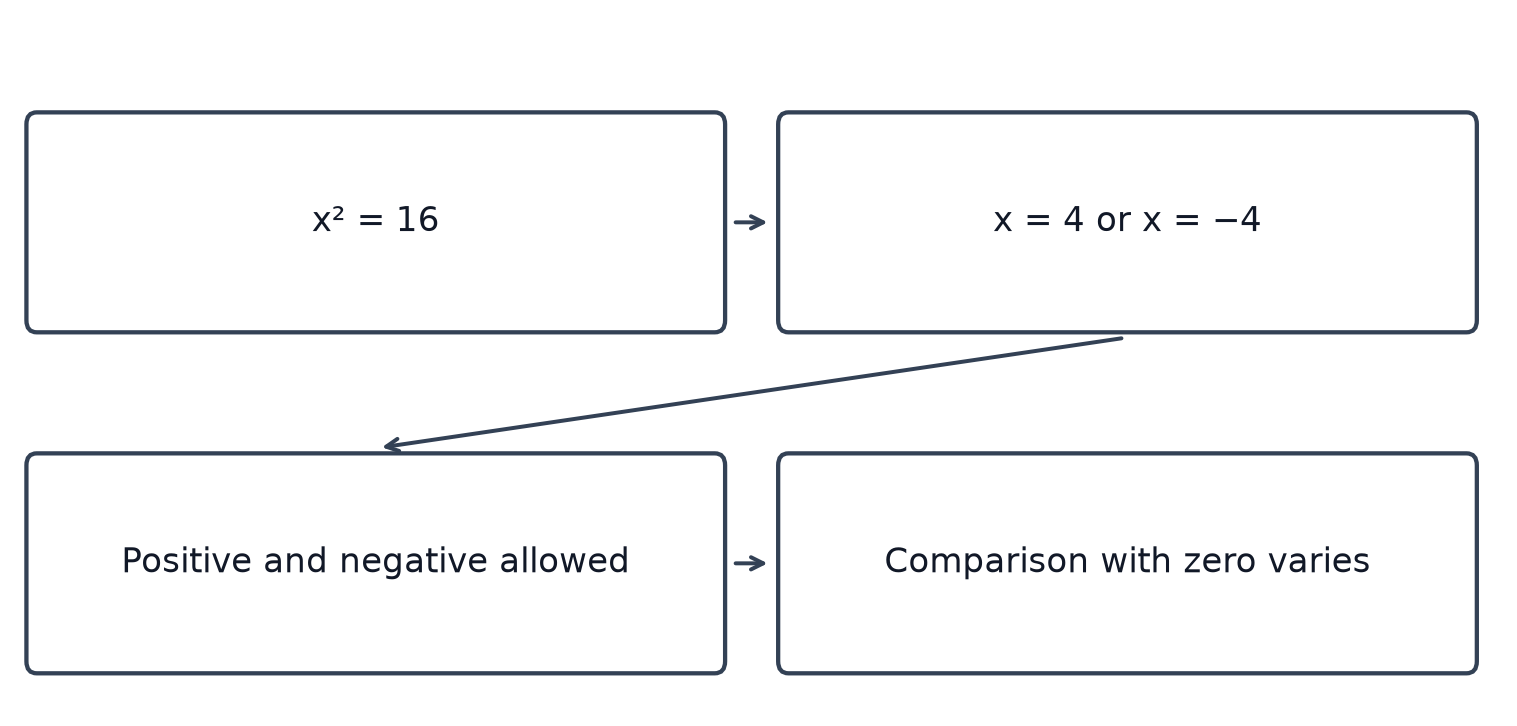
In 1202 Leonardo of Pisa, later known as Fibonacci, published Liber Abaci ("The Book of Calculation"). He had learnt the Hindu–Arabic numerals as a boy in North Africa, where his father was a trade official, and his book taught Italian merchants to calculate with them, including zero. In one problem he accepted a negative answer by reading it as a debt. Thinking about every kind of number, including negative ones, fractions and zero, is exactly what GRE Quantitative Comparison demands.
On the shorter GRE General Test, Quantitative Reasoning has 27 questions in two sections, and an on-screen calculator is available. Quantitative Comparison questions ask you to:
- Compare Quantity A and Quantity B, using every constraint 约束条件 given.
- Choose from four fixed answers: A greater, B greater, equal, or cannot be determined.
- Recognise when the relationship is indeterminate 不能确定的.
- Use arithmetic, powers, ratios and divisibility to simplify.