Your learning plan · Continue · Review →
Diagram labels — follow the arrows and the word rule
แนะนำใหม่ตำแหน่งที่บันทึกของคุณจะคงอยู่ในเบราว์เซอร์นี้ การต่อจากตำแหน่งไม่ได้ทำให้บทเรียนเสร็จสิ้นหรือตอบคำถาม
A misplaced filter label breaks the route
- Outcome: relate a passage description to a labelled part, layer, branch or process stage, then copy the precise label within its local limit. Start with Reading orientation. Swapping a filter’s labels can send someone to the wrong component even when the copied words are spelled correctly.
- Follow the drawing’s arrows or leader lines together with the passage’s relationships. These original schematic cases need no outside technical knowledge and offer no band prediction or timing calibration. A component diagram may use no flow arrows at all; locate the leader line’s endpoint instead.
The following passage and diagram are original practice material, not an official test item.
Water collected from a roof enters a filter at the top. A mesh screen catches leaves before the water reaches a layer of gravel, which holds back larger particles. Below the gravel, fine sand removes smaller particles. At the base, filtered water flows into a covered storage tank. A pump sends water from the tank to a garden when it is needed. The filter does not make the water safe to drink.

View the original roof-filter diagram at full size
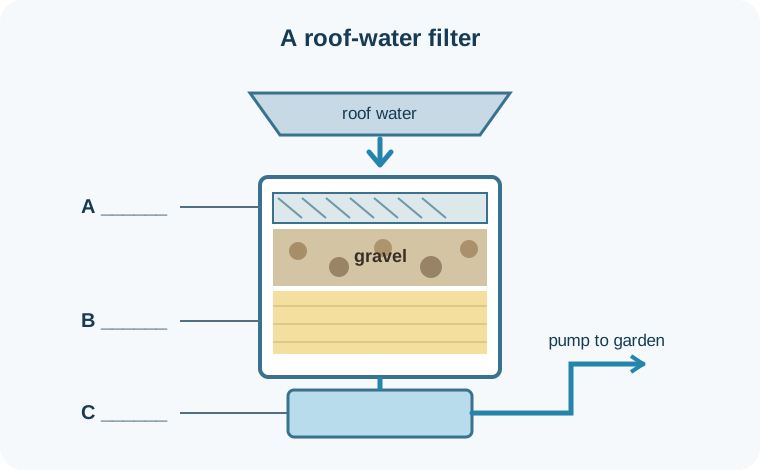
Read the diagram in the direction of the arrows before searching for any answer. This fixes the position of each missing label.
The diagram cannot hand you the answer just because it looks friendly.
Put the filter layers and destination in passage order.
Difficulty 3/5 · 200 coins + a small bonus on first completion today
The water meets the screen first, then gravel, then sand, and finally enters the tank. Follow the arrows rather than guessing from position alone.
Follow relationships, not repeated words
-
Suppose the instruction is NO MORE THAN TWO WORDS FROM THE PASSAGE. Label A is before gravel. The passage says a mesh screen catches leaves before the gravel. Therefore A = mesh screen.
-
Label B is below gravel. The passage says fine sand is below the gravel. Therefore B = fine sand. Label C is the container at the base, so C = storage tank. Notice that you did not need to understand every word. You needed the relationships before, below and at the base.
Label A. NO MORE THAN TWO WORDS FROM THE PASSAGE.
Difficulty 1/5 · 100 coins + a small bonus on first completion today
Mesh screen is the full two-word label; screen also identifies the only screen in this authored passage and fits the limit.
Check the word rule literally
- Mesh screen, fine sand and storage tank each have two words, so each fits this instruction. Writing the covered storage tank would give four words and lose the mark, even though the object is right.
- Copy the passage's form and spelling. Do not write your own replacement such as water box. A different question may permit a number, give a word list, or set a one-word limit. Read that question's instruction rather than carrying this one's rule across the page.
Label B. NO MORE THAN TWO WORDS FROM THE PASSAGE.
Difficulty 1/5 · 100 coins + a small bonus on first completion today
Fine sand is the full passage label; sand also identifies the only sand layer in this authored example. Both forms fit the limit.
Which response for label C follows NO MORE THAN TWO WORDS FROM THE PASSAGE?
Difficulty 1/5 · 100 coins + a small bonus on first completion today
Storage tank is the passage's two-word noun phrase. The first option is too long; the last is invented wording.
A labelled object is not an extra claim
-
The diagram shows a pump going to a garden. The passage says the water is used there, but it also says the filter does not make it safe to drink. Do not turn “filtered” into “drinkable.” A diagram helps locate answers; it cannot justify a claim the passage denies.
-
For an unfamiliar machine or process, use the same routine: find the start, follow the arrows, match each nearby noun phrase, then test the word limit. Labels need not follow the passage’s information order; the filter’s simple top-to-bottom sequence is one case, not a rule for every diagram.
Because the filter removes particles, the stored water is safe to drink.
Difficulty 1/5 · 100 coins + a small bonus on first completion today
The final sentence explicitly says the filter does not make the water safe to drink.
Practise without peeking at the labels above
-
Cover the worked answers. Say aloud what sits before gravel, below gravel and at the base. Then write each answer under the two-word limit. If you swap the sand and screen, trace the arrows again; the order of the process, not the shape of the drawing, decides.
-
These three familiar labels check recall of the worked filter. Use the later fresh diagrams to test the method on an unfamiliar description.
Source checked on 19 October 2026: official IELTS Academic Reading guide, diagram label completion.
Keep the filter’s route attached to its labels
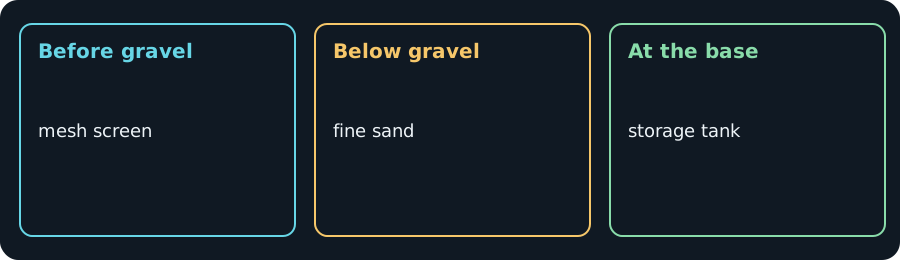
- The roof-water passage places a mesh screen before gravel and fine sand below gravel. The tank comes after filtration; the pump sends stored water to the garden.
- Read direction and position together. Here, order means the water’s route through the filter, not the order in which answers must appear in a passage. Swapping screen and sand would mislabel that route even if both phrases were copied accurately.

View the original worked-case diagram at full size
- Filtered does not mean drinkable: the passage explicitly limits that claim. The drawing cannot silently extend the water’s use.
- Trace the arrows, locate the noun phrase and keep both its word limit and meaning.
- Apply the distinction to the transfer check below. These are original teaching cases, not official items or band predictions.
Match the distinctions in this worked case.
Difficulty 2/5 · 140 coins + a small bonus on first completion today
Read direction and position together. Swapping screen and sand would break the passage’s order even if both labels were copied accurately.
Which label belongs below gravel?
Difficulty 1/5 · 100 coins + a small bonus on first completion today
The roof-water passage places a mesh screen before gravel and fine sand below gravel. The tank comes after filtration; the pump sends stored water to the garden. Read direction and position together. Swapping screen and sand would break the passage’s order even if both labels were copied accurately.
Worked component: a modifier can distinguish two parts
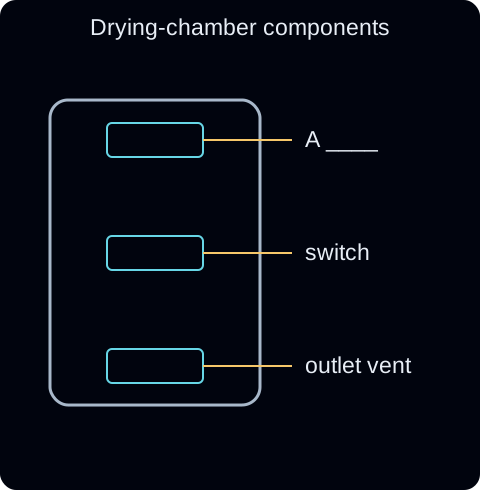
- Original passage: “The chamber has an inlet vent at the top and an outlet vent at the base. A switch occupies the central panel.” Label A, NO MORE THAN TWO WORDS FROM THE PASSAGE: inlet vent. Follow A’s leader line to the upper part. Outlet vent names the lower part, even though it has a similar shape and shares the word vent.
- Vent alone does not distinguish the two named parts in this case. Inlet names the direction without naming the vent; upper opening invents a phrase instead of copying the source. A modifier is useful when it carries necessary information, not merely because a two-word maximum allows a longer answer.

Worked branch: right on the page can appear first in the text
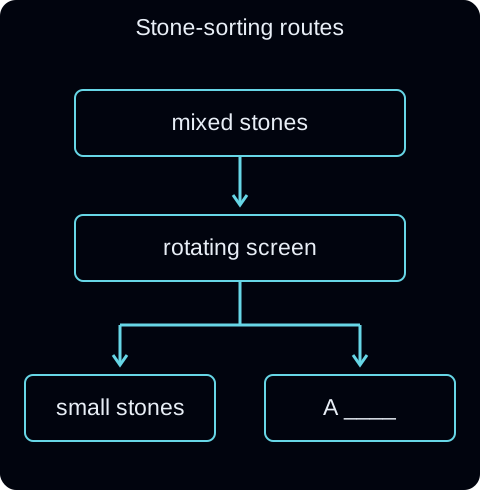
- Original passage: “Large stones leave along the right route; small stones take the left route. Mixed stones reach both routes through a rotating screen.” Label A, NO MORE THAN TWO WORDS FROM THE PASSAGE: large stones. Trace the right branch from the screen to A, then match that route to the source description.
- Small stones names the opposite branch. Rotating screen names the component before the split. Read each requested label rather than filling blanks in source order: the passage here starts with the right output and ends with the earlier screen. Spelling and length cannot repair a label attached to the wrong route.

Guided labels: part, layer, stage and branch
- The next ten typed tasks each supply an original passage, actual diagram, equivalent text description and full-size link. A reading cue helps you locate the part or route. Read the local instruction before answering; all these tasks request passage words, with either one word or a two-word maximum.
- Some answers have a shorter valid form; their feedback names it. Others need a modifier because the source distinguishes two similar parts. Keep a correctly hyphenated word intact, preserve the copied plural, and do not add a noun that is already printed beside the gap. Use the source rather than remembered technical knowledge.
Original passage: The prototype box has mesh in its upper compartment, wool in the middle and a tray at the bottom. Air enters through the mesh before reaching the wool.

View this diagram at full size
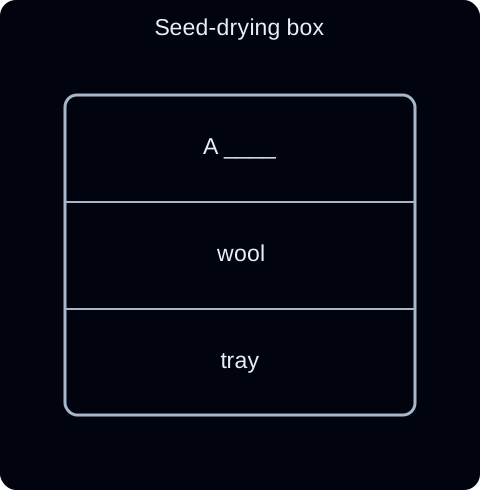
Complete label A. Instruction: ONE WORD ONLY FROM THE PASSAGE.
Reading cue: Locate the upper compartment, then match that position in the source.
Difficulty 1/5 · 100 coins + a small bonus on first completion today
Mesh occupies the upper compartment. Wool belongs to the middle and the tray to the base. Match the labelled position before copying the material.
Original passage: The lamp’s shade is at the top. Its switch is midway down the front panel, while the battery sits in the base.

View this diagram at full size
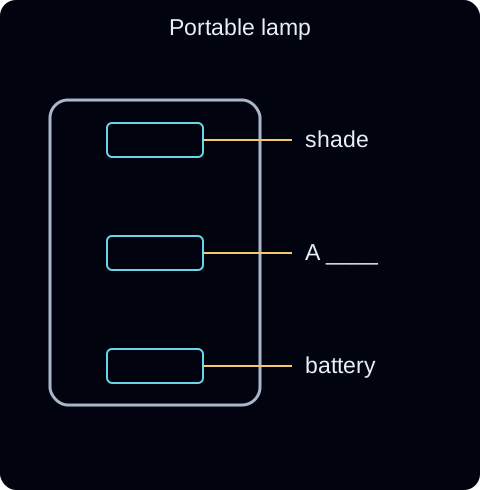
Complete label A. Instruction: ONE WORD ONLY FROM THE PASSAGE.
Reading cue: Follow the middle leader line to its endpoint.
Difficulty 1/5 · 100 coins + a small bonus on first completion today
Switch is the middle component identified by the leader line. Shade and battery belong to other parts; a source word is insufficient if attached to the wrong leader.
Original passage: Jars move from the washing station to a drying rack, and then to the packing bench. Labels are attached only at the bench.

View this diagram at full size
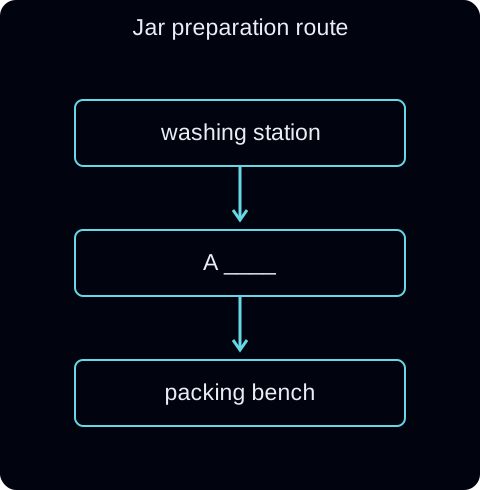
Complete label A. Instruction: NO MORE THAN TWO WORDS FROM THE PASSAGE.
Reading cue: Find the destination between the two named places.
Difficulty 1/5 · 100 coins + a small bonus on first completion today
Drying rack or rack names the intermediate destination. Packing bench is later, and washing station is earlier. Drying alone names an activity without identifying the pictured destination.
Original passage: Fruit enters the press through a hopper. The press sends pulp down its left route and juice down its right route.

View this diagram at full size
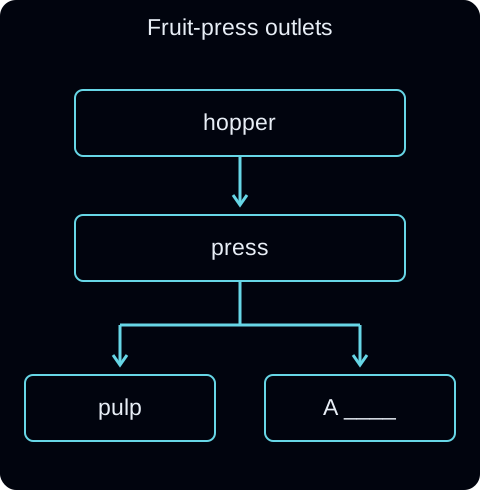
Complete label A. Instruction: ONE WORD ONLY FROM THE PASSAGE.
Reading cue: Follow the right arrow after the split.
Difficulty 1/5 · 100 coins + a small bonus on first completion today
Juice goes down the right branch. Pulp follows the left branch, while hopper and press are earlier components. Identify the route, not just a product named in the source.
Original passage: The upper layer is coarse sand. Fine sand forms the middle layer, and gravel supports both layers from below.

View this diagram at full size
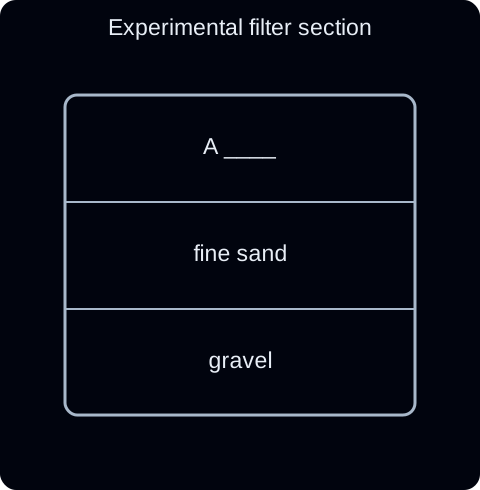
Complete label A. Instruction: NO MORE THAN TWO WORDS FROM THE PASSAGE.
Reading cue: Two sand layers are named; retain the word that distinguishes the upper one.
Difficulty 1/5 · 100 coins + a small bonus on first completion today
Coarse sand identifies the upper layer. Sand alone leaves two source layers indistinguishable; fine sand identifies the middle layer instead. Keep the modifier needed to choose between them.
Original passage: The weather unit has a dial at its top and a sensor in the central compartment. Two batteries are fitted in the lower compartment.

View this diagram at full size
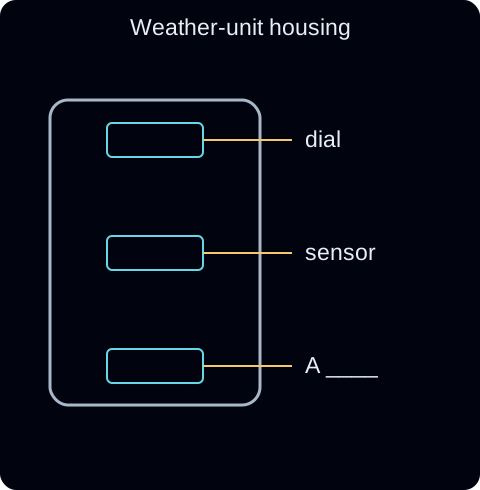
Complete label A. Instruction: ONE WORD ONLY FROM THE PASSAGE.
Reading cue: Use the lower leader line and preserve the source plural.
Difficulty 1/5 · 100 coins + a small bonus on first completion today
Batteries is the copied plural at the bottom. Battery changes the source form, and sensor belongs to the middle. The diagram names the contents rather than a single imagined battery.
Original passage: Material leaves a shredder and enters a washer. After washing, it is taken to a loom. The shredder does not perform the washing.

View this diagram at full size
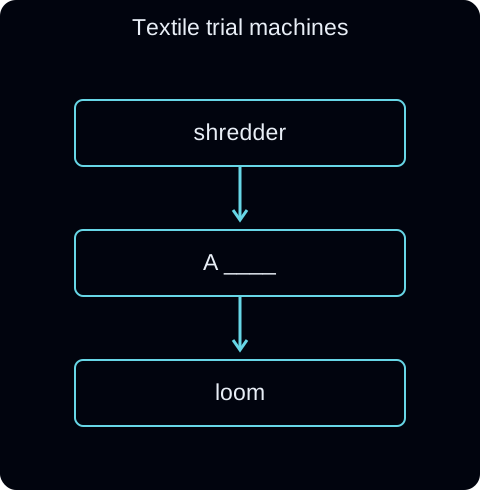
Complete label A. Instruction: ONE WORD ONLY FROM THE PASSAGE.
Reading cue: Match a machine to the process it performs.
Difficulty 1/5 · 100 coins + a small bonus on first completion today
Washer is the machine between shredder and loom. Washing names the process; the question’s diagram labels the machine. Loom is the destination after washing.
Original passage: The sorting unit sends damaged documents along its right route to the repair desk. It directs undamaged documents left to the library. Every document first passes through a scanner.

View this diagram at full size
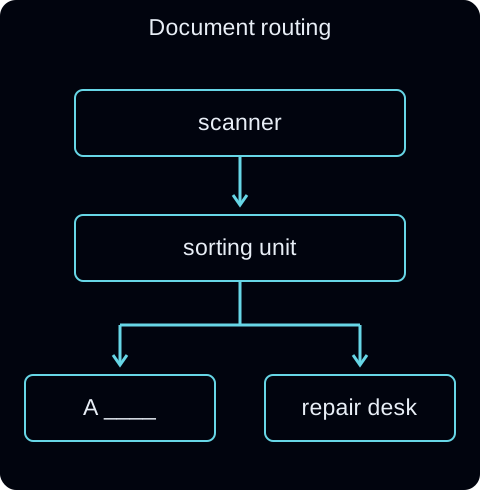
Complete label A. Instruction: ONE WORD ONLY FROM THE PASSAGE.
Reading cue: The passage describes the right branch before the left one.
Difficulty 1/5 · 100 coins + a small bonus on first completion today
Library is the left destination. Repair desk is mentioned earlier in the passage but sits on the right; source mention order does not determine the diagram’s left-to-right labels.
Original passage: Ice is placed in the box’s upper compartment. The sample tray sits in the middle, above a heat pack in the lowest compartment.

View this diagram at full size
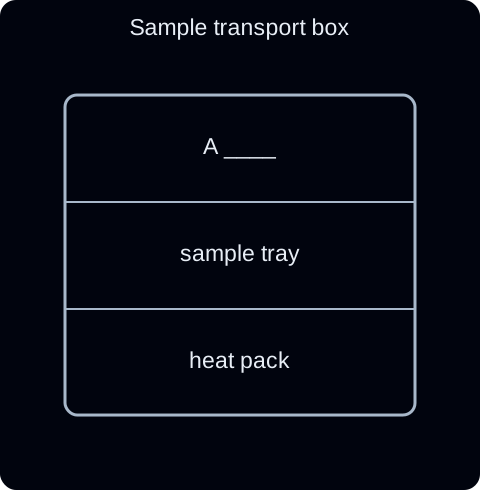
Complete label A. Instruction: ONE WORD ONLY FROM THE PASSAGE.
Reading cue: Use above and lowest to separate the two surrounding compartments.
Difficulty 1/5 · 100 coins + a small bonus on first completion today
Ice is above the sample tray. Heat pack is below it. Read the compartment order; do not use outside knowledge to substitute a different cooling arrangement.
Original passage: A solar-powered sensor occupies the monitor’s upper section. An alarm is fitted halfway down, and a battery occupies its lower section.

View this diagram at full size
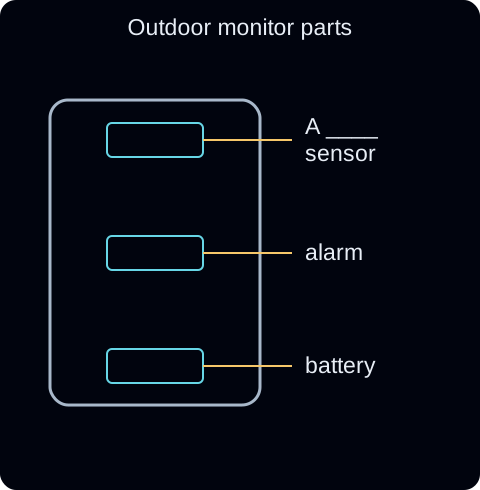
Complete label A (the word before sensor). Instruction: ONE WORD ONLY FROM THE PASSAGE.
Reading cue: Keep the hyphen and count only your entered word.
Difficulty 1/5 · 100 coins + a small bonus on first completion today
Solar-powered is copied as one correctly hyphenated word; sensor is already printed beside the gap. Solar powered separates it into two words, while solar-powered sensor repeats the supplied noun.
Independent diagrams: twenty different descriptions
- Each task now has a fresh original source and diagram without a reading cue. Look at the requested letter and its leader endpoint or incoming arrow. The correct object may appear near the beginning or end of the description, and the opposite branch may be described first.
- Commit before checking. If rejected, separate an evidence error from a response-form error: wrong component, layer, branch or process stage needs a different repair from an invented synonym, missing modifier or extra word. These short cases build precise reading decisions rather than reproducing a full Reading paper. Spread them across sessions if helpful.
Original passage: After leaving the husker, seeds pass through a sieve. They then fall into a hopper for collection. The hopper does not separate the husks.

View this diagram at full size
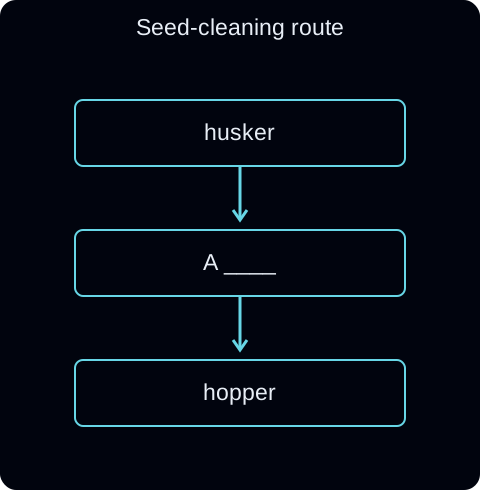
Complete label A. Instruction: ONE WORD ONLY FROM THE PASSAGE.
Difficulty 1/5 · 100 coins + a small bonus on first completion today
Sieve is the component between husker and hopper. Hopper collects the seeds afterward. Trace the two arrows and distinguish separation from collection.
Original passage: The kiln’s upper panel contains a vent. A thermometer is mounted at mid-height, and a heater is located in the bottom section.

View this diagram at full size
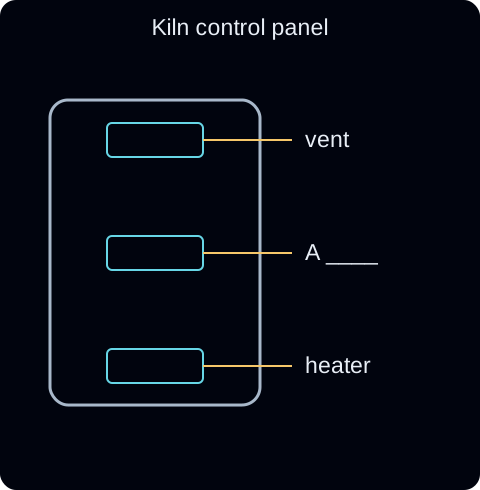
Complete label A. Instruction: ONE WORD ONLY FROM THE PASSAGE.
Difficulty 1/5 · 100 coins + a small bonus on first completion today
Thermometer names the mid-height component. Vent belongs above it and heater below it. A device associated with temperature still needs the correct labelled location.
Original passage: Photographs occupy the upper drawer. Letters fill the middle drawer, while maps are stored in the lowest drawer. The order was chosen for this archive’s cabinet.

View this diagram at full size
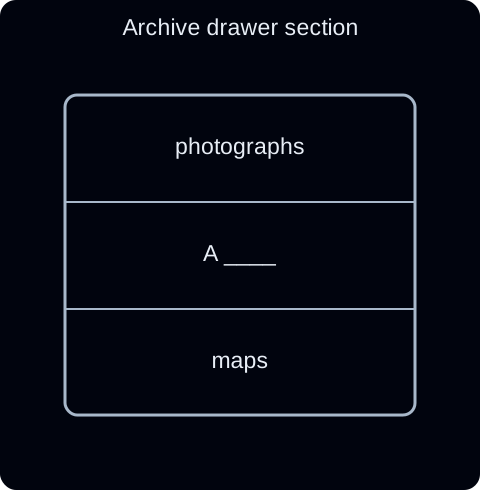
Complete label A. Instruction: ONE WORD ONLY FROM THE PASSAGE.
Difficulty 1/5 · 100 coins + a small bonus on first completion today
Letters are in the middle drawer. Photographs and maps belong to the upper and lower drawers. Letter would change the plural copied from the passage.
Original passage: The grain cleaner sends grain to the right and stones to the left. Mixed material enters through a chute before reaching the cleaner.

View this diagram at full size
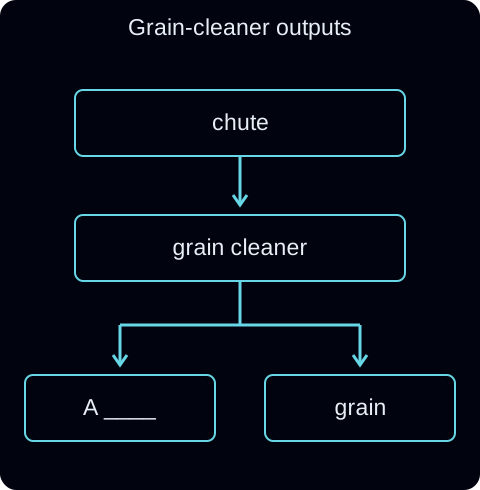
Complete label A. Instruction: ONE WORD ONLY FROM THE PASSAGE.
Difficulty 1/5 · 100 coins + a small bonus on first completion today
Stones is the left output, even though the source names the right output first. Grain is the opposite branch; chute is the input before separation.
Original passage: In the test camera, light passes through a lens, reflects from a mirror and reaches a sensor. The mirror redirects the light; the sensor records it.

View this diagram at full size
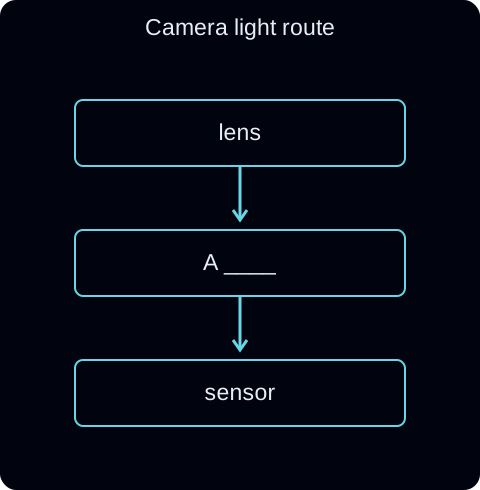
Complete label A. Instruction: ONE WORD ONLY FROM THE PASSAGE.
Difficulty 1/5 · 100 coins + a small bonus on first completion today
Mirror redirects light between the lens and sensor. Sensor is the final recording component, while lens precedes the missing part. Use the described route rather than naming any optical component.
Original passage: A screen occupies the upper part of the display unit. A socket is fitted in the central panel. The unit is supported by a stand attached to its lower part.

View this diagram at full size
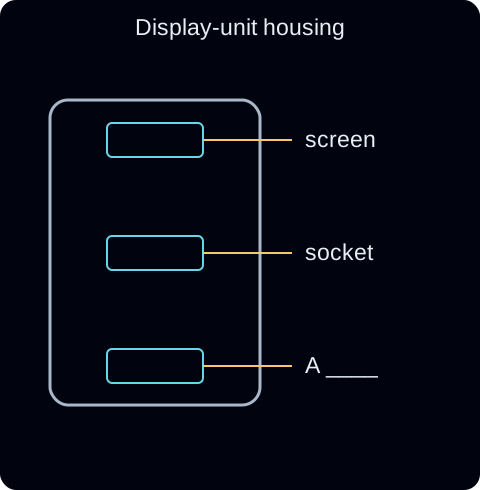
Complete label A. Instruction: ONE WORD ONLY FROM THE PASSAGE.
Difficulty 1/5 · 100 coins + a small bonus on first completion today
Stand is attached to the lower part. Socket is central and screen is upper. The leader line’s endpoint, rather than the general topic of displays, determines the label.
Original passage: The experimental vessel contains foam at the top and liquid in the middle. Sediment settles at the base beneath the liquid.

View this diagram at full size
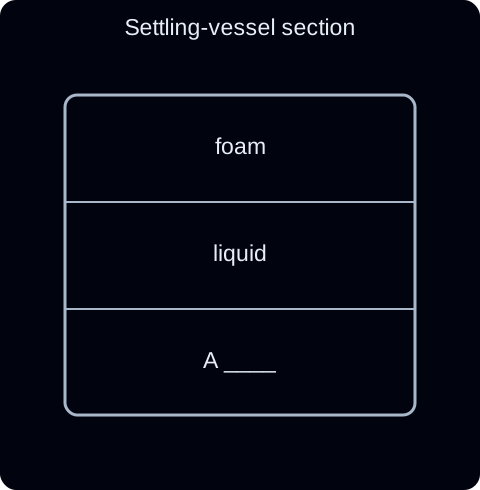
Complete label A. Instruction: ONE WORD ONLY FROM THE PASSAGE.
Difficulty 1/5 · 100 coins + a small bonus on first completion today
Sediment lies at the base below the liquid. Foam is at the opposite end of the vessel. Copy the noun for the indicated layer, not a material elsewhere in the container.
Original passage: After inspection, sound boards go left to storage racks. Damaged boards go right to a separate workshop. All boards arrive on a conveyor.

View this diagram at full size
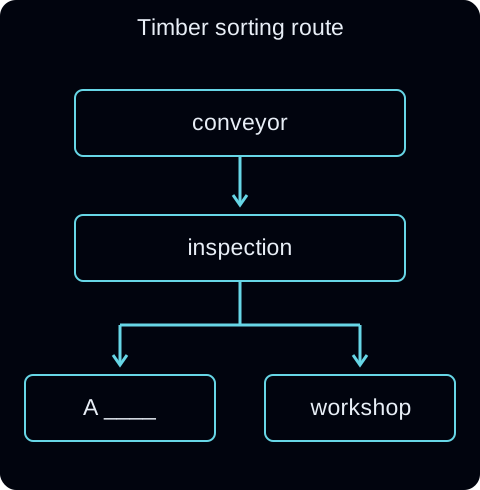
Complete label A. Instruction: NO MORE THAN TWO WORDS FROM THE PASSAGE.
Difficulty 1/5 · 100 coins + a small bonus on first completion today
Storage racks or racks is the left destination for sound boards. Workshop belongs to the damaged-board route. Storage alone does not name the destination structure.
Original passage: Thread leaves the spindle and is wound onto a bobbin. It is then fed from that bobbin to the loom. The loom receives thread rather than storing it for this stage.

View this diagram at full size
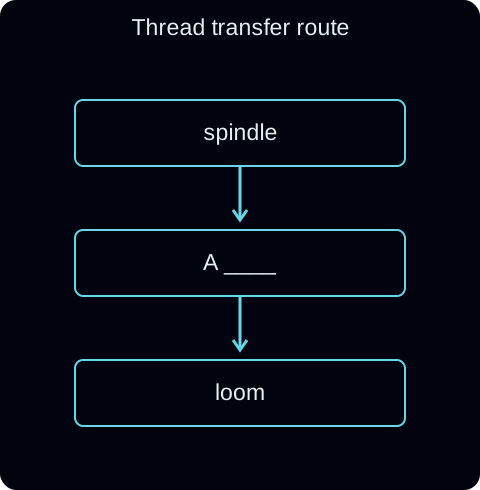
Complete label A. Instruction: ONE WORD ONLY FROM THE PASSAGE.
Difficulty 1/5 · 100 coins + a small bonus on first completion today
Bobbin is between spindle and loom, holding thread before weaving. Loom is later in the route. Follow the arrows instead of selecting the final destination.
Original passage: The observation hive has a cover above its central entrance. A mesh floor forms the lower part beneath the entrance. These are the three parts shown in the schematic.

View this diagram at full size
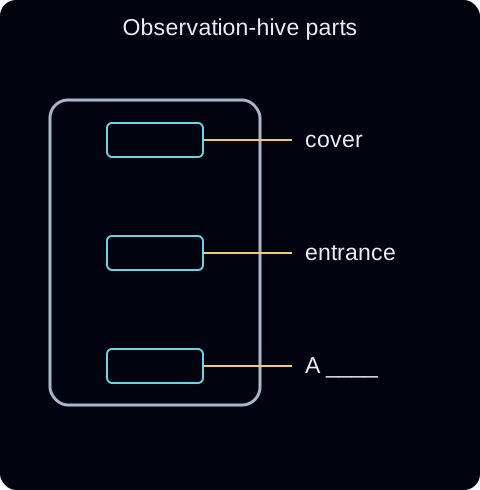
Complete label A. Instruction: NO MORE THAN TWO WORDS FROM THE PASSAGE.
Difficulty 1/5 · 100 coins + a small bonus on first completion today
Mesh floor or floor identifies the lower part beneath the entrance. Cover is at the top. Mesh alone names its material without naming the floor.
Original passage: Air occupies the tank’s upper compartment. Water fills the middle compartment, above a bed of gravel at the bottom. The compartments are shown separately in this model.

View this diagram at full size
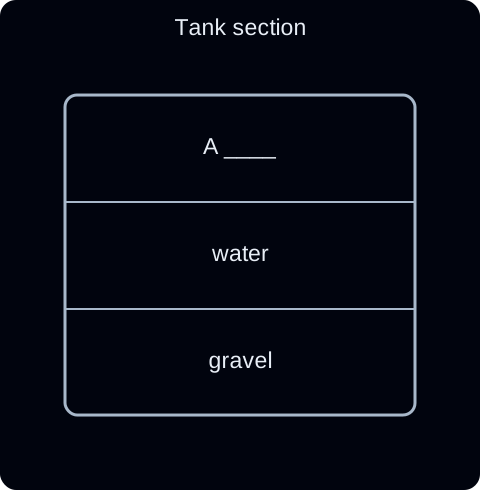
Complete label A. Instruction: ONE WORD ONLY FROM THE PASSAGE.
Difficulty 1/5 · 100 coins + a small bonus on first completion today
Air is above the water. Gravel is at the base. A familiar association between tanks and water cannot replace the source’s upper-compartment description.
Original passage: The visitor desk checks the weather. On wet days, it directs the group left to the studio. On dry days, the group goes right to the garden.

View this diagram at full size
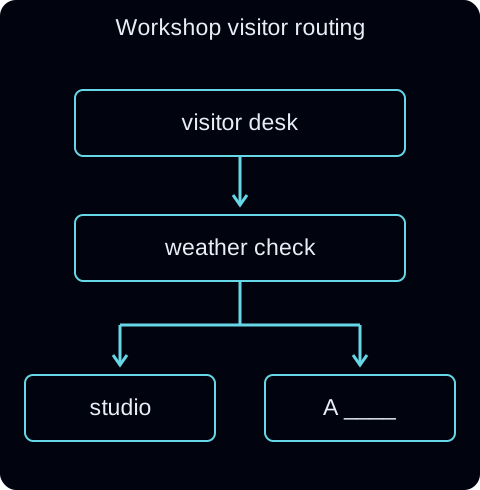
Complete label A. Instruction: ONE WORD ONLY FROM THE PASSAGE.
Difficulty 1/5 · 100 coins + a small bonus on first completion today
Garden is the right-hand destination for dry days. Studio belongs to the wet-day branch. Weather check is the decision point, not the destination after it.
Original passage: Documents leave the scanner and go to a review desk before entering the archive. Reviewers correct unclear entries at that desk; archive staff store the approved documents.

View this diagram at full size
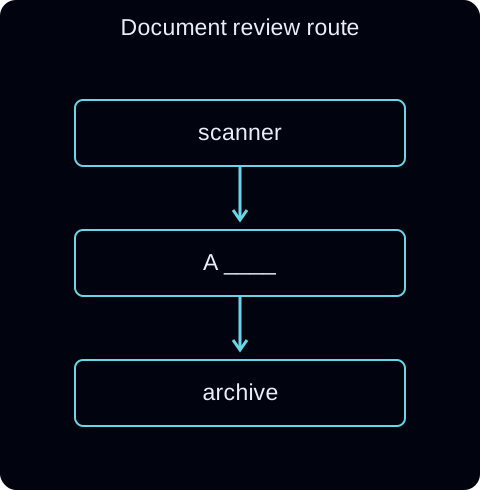
Complete label A. Instruction: NO MORE THAN TWO WORDS FROM THE PASSAGE.
Difficulty 1/5 · 100 coins + a small bonus on first completion today
Review desk or desk names the middle destination. Archive is the storage endpoint. Review describes the work without naming the destination asked for in the diagram.
Original passage: The recorder has a microphone in its upper section. A speaker occupies the central section, and a socket is fitted below the speaker.

View this diagram at full size
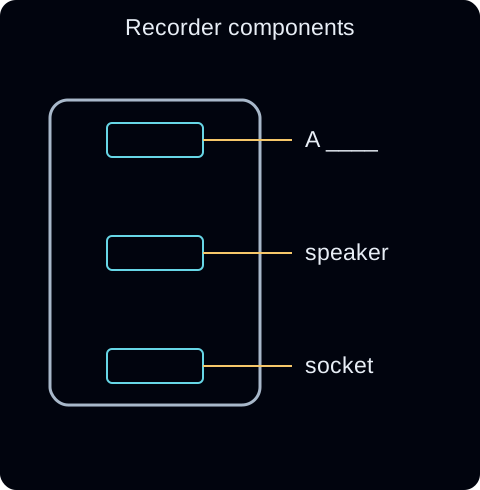
Complete label A. Instruction: ONE WORD ONLY FROM THE PASSAGE.
Difficulty 1/5 · 100 coins + a small bonus on first completion today
Microphone is the upper component. Speaker is central and socket is lower. Do not choose a related sound component without matching the leader line to the described section.
Original passage: In this trial planter, compost fills the top compartment. Coarse grit occupies the compartment below it, and potsherds form the lowest layer.

View this diagram at full size
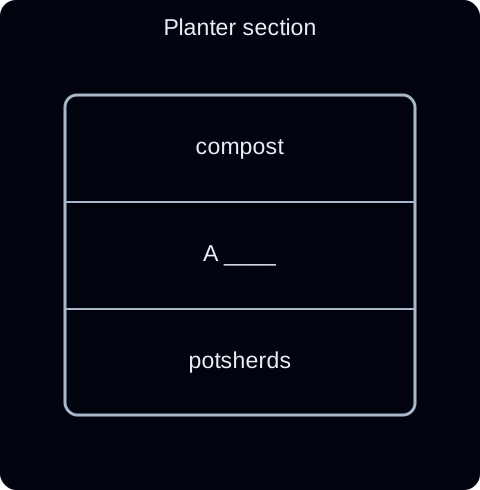
Complete label A. Instruction: NO MORE THAN TWO WORDS FROM THE PASSAGE.
Difficulty 1/5 · 100 coins + a small bonus on first completion today
Coarse grit or grit is below compost and above potsherds. Compost and potsherds are neighbouring layers. Coarse alone describes the grit without identifying the material.
Original passage: Water enters the cooling unit from a feed pipe. The left outlet returns it to a boiler, while the right outlet sends it to a storage tank.

View this diagram at full size
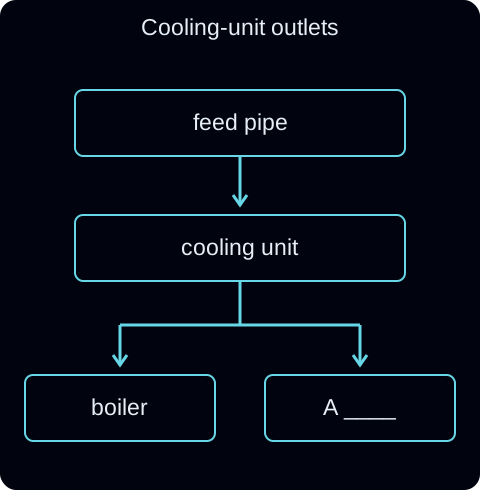
Complete label A. Instruction: NO MORE THAN TWO WORDS FROM THE PASSAGE.
Difficulty 1/5 · 100 coins + a small bonus on first completion today
Storage tank or tank is the right destination. Boiler is on the return route to the left. Storage alone does not identify the container.
Original passage: Fabric travels from the rollers through a heater and then into a press. The press flattens the material after it has been heated.

View this diagram at full size
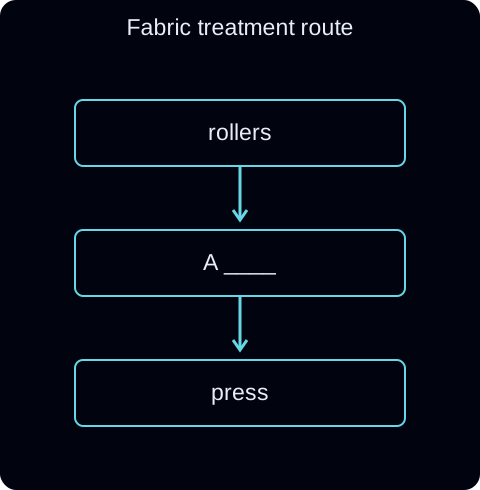
Complete label A. Instruction: ONE WORD ONLY FROM THE PASSAGE.
Difficulty 1/5 · 100 coins + a small bonus on first completion today
Heater is the component before the press and after the rollers. Press performs the later flattening stage. Heated is an action form, not the copied component name.
Original passage: An adjustment screw sits in the upper part of the book press. A guide holds the book at mid-height, and a plate supports it at the base.

View this diagram at full size
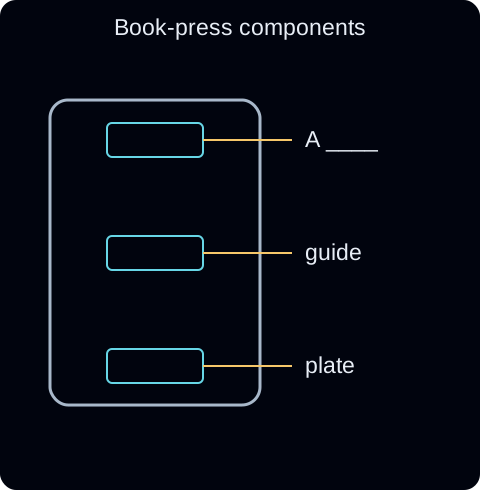
Complete label A. Instruction: NO MORE THAN TWO WORDS FROM THE PASSAGE.
Difficulty 1/5 · 100 coins + a small bonus on first completion today
Adjustment screw or screw identifies the upper component. Guide is central and plate is at the base. Adjustment alone names a function rather than the component.
Original passage: Brushes occupy the top compartment of the supply case. Chalk is stored in the middle, and inks are kept in the bottom compartment.

View this diagram at full size
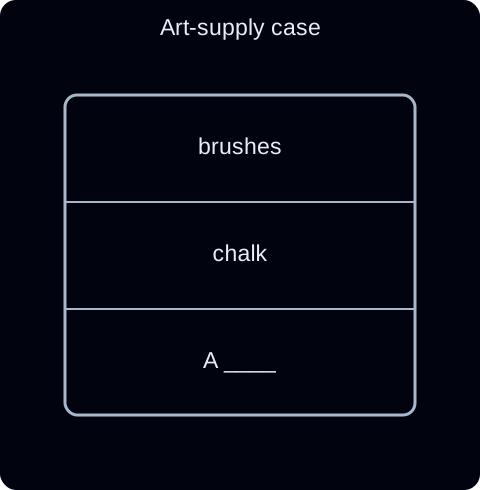
Complete label A. Instruction: ONE WORD ONLY FROM THE PASSAGE.
Difficulty 1/5 · 100 coins + a small bonus on first completion today
Inks is copied as the bottom compartment’s contents. Chalk belongs to the middle and brushes to the top. Preserve the plural rather than replacing the source form with ink.
Original passage: Donated books arrive at the inspection desk. Accepted books take the left route to a cataloguing table; damaged books take the right route to a repair bench.

View this diagram at full size
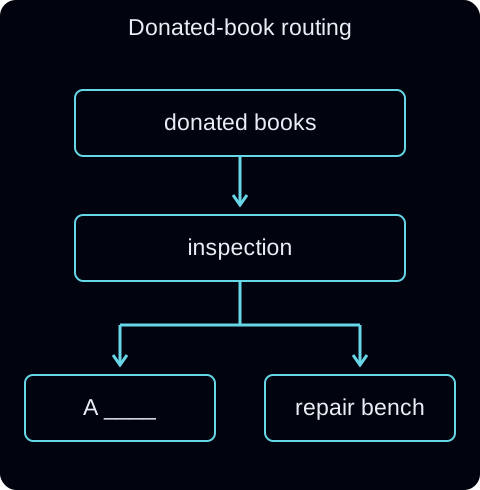
Complete label A. Instruction: NO MORE THAN TWO WORDS FROM THE PASSAGE.
Difficulty 1/5 · 100 coins + a small bonus on first completion today
Cataloguing table or table is the left destination. Repair bench is the right destination for damaged books. Cataloguing alone names the activity, not the table.
Transfer: answer C, then A, then B on one diagram
- The returned-bottle passage and three-gap diagram repeat so each transfer question is self-contained. They remain one source and one diagram, not three new independent cases. The passage describes the right output first and the inspection station last; the question sequence asks C, then A, then B.
- Read the requested letter, trace its branch or stage and find that relationship in the source. NO MORE THAN TWO WORDS FROM THE PASSAGE applies to each response. A full noun phrase or its sufficient shorter place noun can work here, but a process name alone does not necessarily identify a destination.
Original passage: Rejected bottles take the right route to a recycling bin. Reusable bottles take the left route to a washing area. Before either route is chosen, returned bottles pass through an inspection station.

View this diagram at full size
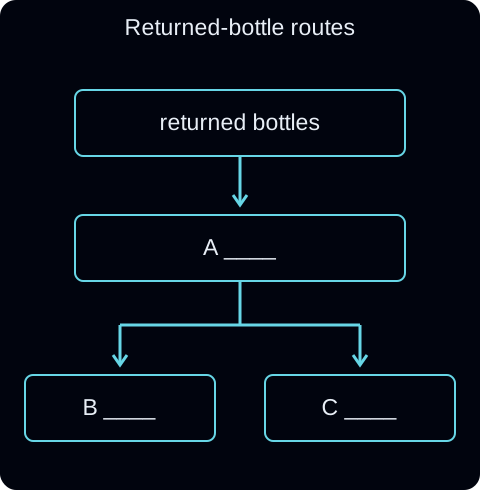
Complete label C. Instruction: NO MORE THAN TWO WORDS FROM THE PASSAGE.
Difficulty 1/5 · 100 coins + a small bonus on first completion today
C is the right destination for rejected bottles. Washing area belongs to the left branch. Recycling describes an activity without naming the bin.
Original passage: Rejected bottles take the right route to a recycling bin. Reusable bottles take the left route to a washing area. Before either route is chosen, returned bottles pass through an inspection station.
View this diagram at full size
Complete label A. Instruction: NO MORE THAN TWO WORDS FROM THE PASSAGE.
Difficulty 1/5 · 100 coins + a small bonus on first completion today
A is the station before the split. It appears at the end of the passage, so reading label order as source order would fail. Returned bottles names the input, not the station.
Original passage: Rejected bottles take the right route to a recycling bin. Reusable bottles take the left route to a washing area. Before either route is chosen, returned bottles pass through an inspection station.
View this diagram at full size
Complete label B. Instruction: NO MORE THAN TWO WORDS FROM THE PASSAGE.
Difficulty 1/5 · 100 coins + a small bonus on first completion today
B is the left destination for reusable bottles. Recycling bin belongs on the right. This is the same source and diagram, not a new independent passage.
Repair an ambiguous label without inventing a synonym
- The private sample-box task names two cotton layers. Repair cotton, then explain why wet pad also fails the copied-word instruction. Use the diagram’s lower compartment to justify the distinguishing phrase. Draft before opening the model; compare, then revise one exact evidence, modifier or length issue.
- The model gives another way to explain the same constrained answer, a checklist and a revision step. Your draft stays in this page; copy it before leaving. Recording comparison and revision is self-review, not automatic correctness, demonstrated proficiency or an IELTS score.
Original passage: Dry cotton fills the sample box’s upper compartment. A sample tray sits in the middle. Damp cotton fills the lower compartment.

View this diagram at full size
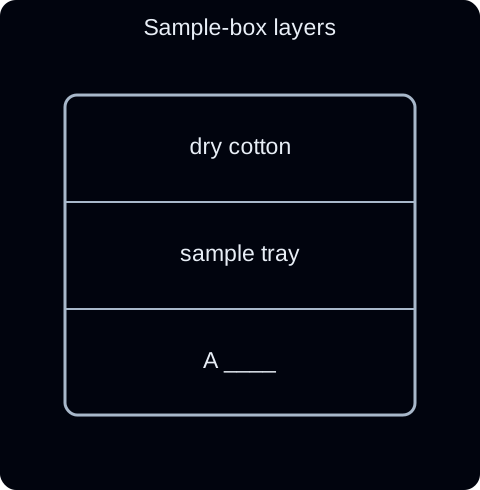
Complete label A. Instruction: NO MORE THAN TWO WORDS FROM THE PASSAGE.
A reader answers “cotton” and then revises it to “wet pad”. Write a precise copied label, explain the problem with each response, and revise one exact issue after comparing the model. Draft first. Your draft stays in this page; copy it before leaving.
Damp cotton identifies the lower of two named cotton layers and meets the local two-word maximum. Explanations can vary. This page records comparison and revision; it does not automatically assess explanation quality or assign an IELTS score.
Later review: recover the relationships in new diagrams
- After a break, try the new microscope and herb-processing diagrams without reopening the worked cases. Explain which endpoint or route identified the part and which nearby source word would have labelled a different thing. Do not treat recalling a previous answer as reading new evidence.
- Continue with structured completion to preserve summary, note, table and flow-chart relationships, or short-answer questions to identify a requested person, place, count or action. The next repair should match the kind of mistake you made.
Original passage: The microscope’s eyepiece is above a focus knob. A mirror sits at the bottom, below the knob. The leader lines identify these three positions.

View this diagram at full size
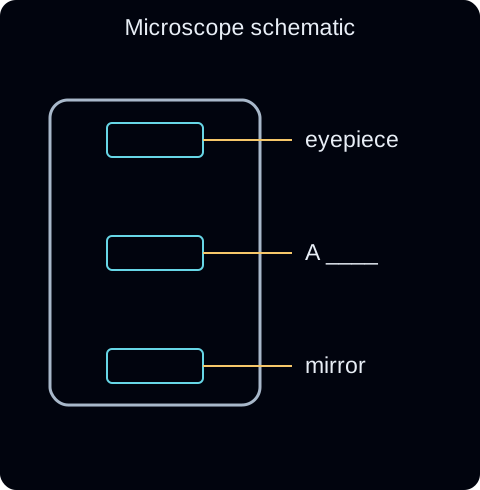
Complete label A. Instruction: NO MORE THAN TWO WORDS FROM THE PASSAGE.
Difficulty 1/5 · 100 coins + a small bonus on first completion today
Focus knob or knob identifies the middle part below the eyepiece and above the mirror. Mirror is at the bottom; eyepiece is above. Follow the leader endpoint before choosing a noun.
Original passage: Washed herbs pass through a dryer and then a grinder. The grinder produces powder, which is collected after grinding.

View this diagram at full size
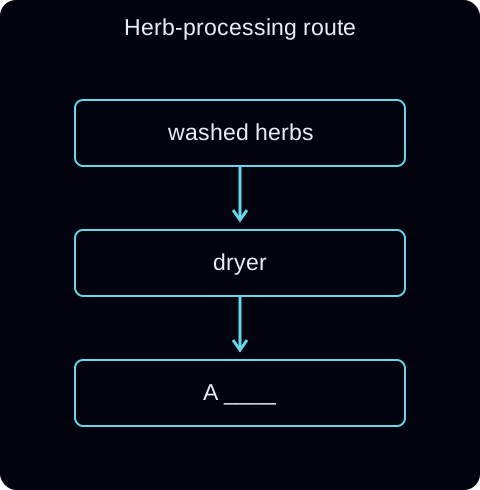
Complete label A. Instruction: ONE WORD ONLY FROM THE PASSAGE.
Difficulty 1/5 · 100 coins + a small bonus on first completion today
Grinder is the device after the dryer. Powder is its product, not the machine itself. The arrow ends at the component requested by the diagram.
The word and the attachment must both be right
- Recap: identify the requested letter; trace the leader, compartment or arrow; locate the matching description; copy a precise source phrase; check the local limit. A correctly copied word can still label the wrong part. A two-word maximum permits a shorter answer only when it identifies the requested feature without ambiguity.
- Source checked on 19 October 2026: official IELTS Reading task guidance. The passages, questions, models and new schematic diagrams are originally authored teaching. Independent specialist, language, rights and learner reviews remain pending. Local activity completion does not establish an official test result.