Agricultural Production Regions
Introduced 8:32
Agriculture and Rural Land-Use Patterns and Processes
Two farmers. The same job: grow food. Completely different worlds. One drives a machine across a field so wide you cannot see the end of it, and every grain…
English narration · English and 中文 subtitles you can switch
In this lesson
| English | Meaning |
|---|---|
| shifting cultivation/ˈʃɪftɪŋ ˌkʌltɪˈveɪʃn/ | A farming system in which a plot is cultivated for a period and then left fallow while cultivation moves to another plot. |
| pastoral nomadism/ˈpæstərəl ˈnəʊmeɪdɪzəm/ | A livelihood based mainly on herding livestock and moving between grazing areas rather than remaining in one permanent farming settlement. |
| plantation agriculture/plænˈteɪʃn ˈæɡrɪkʌltʃə/ | Large-estate commercial farming specialising in one or a few crops, often for export and historically associated with colonial labour systems. |
Rice in Java, wheat in Kansas
- A rice farmer in Java works a small, terraced field by hand, often harvests two or three crops a year, and feeds a family from it. A wheat farmer in Kansas works 1,000 hectares or more with machines, and sells the whole harvest to a distant market.
- Farming differs by climate (what can grow) and by level of development (subsistence or commercial, hand or machine). Together these define agricultural production regions.
Two big contrasts
| Contrast | One side | Other side |
|---|---|---|
| Purpose | subsistence: grow food for the family | commercial: grow to sell for profit |
| Use of land | intensive: much labour or money on small areas, high output per hectare | extensive: little labour or money over large areas, low output per hectare |
- Subsistence farming is most common in less developed countries; commercial farming dominates in more developed ones. But both appear in most countries.
Match each term to its meaning.
Difficulty 2/5 · 140 coins + a small bonus on first completion today
Purpose and land use are two different contrasts.
Extensive systems
| System | Where | How it works |
|---|---|---|
| Shifting cultivation 迁移农业 | tropical rainforests (Amazon, Congo Basin) | clear and burn a patch (slash-and-burn), farm it a few years until the soil is poor, then move on |
| Pastoral nomadism 游牧 | dry lands (Sahel, Central Asia) | herd camels, goats or sheep between pastures and water |
| Ranching | dry grasslands (US West, Argentina, Australia) | commercial grazing of cattle or sheep on large areas |
Intensive systems
| System | Where | How it works |
|---|---|---|
| Intensive subsistence (wet rice) | monsoon Asia (Java, Bangladesh) | small, often terraced fields, much hand labour, several crops a year |
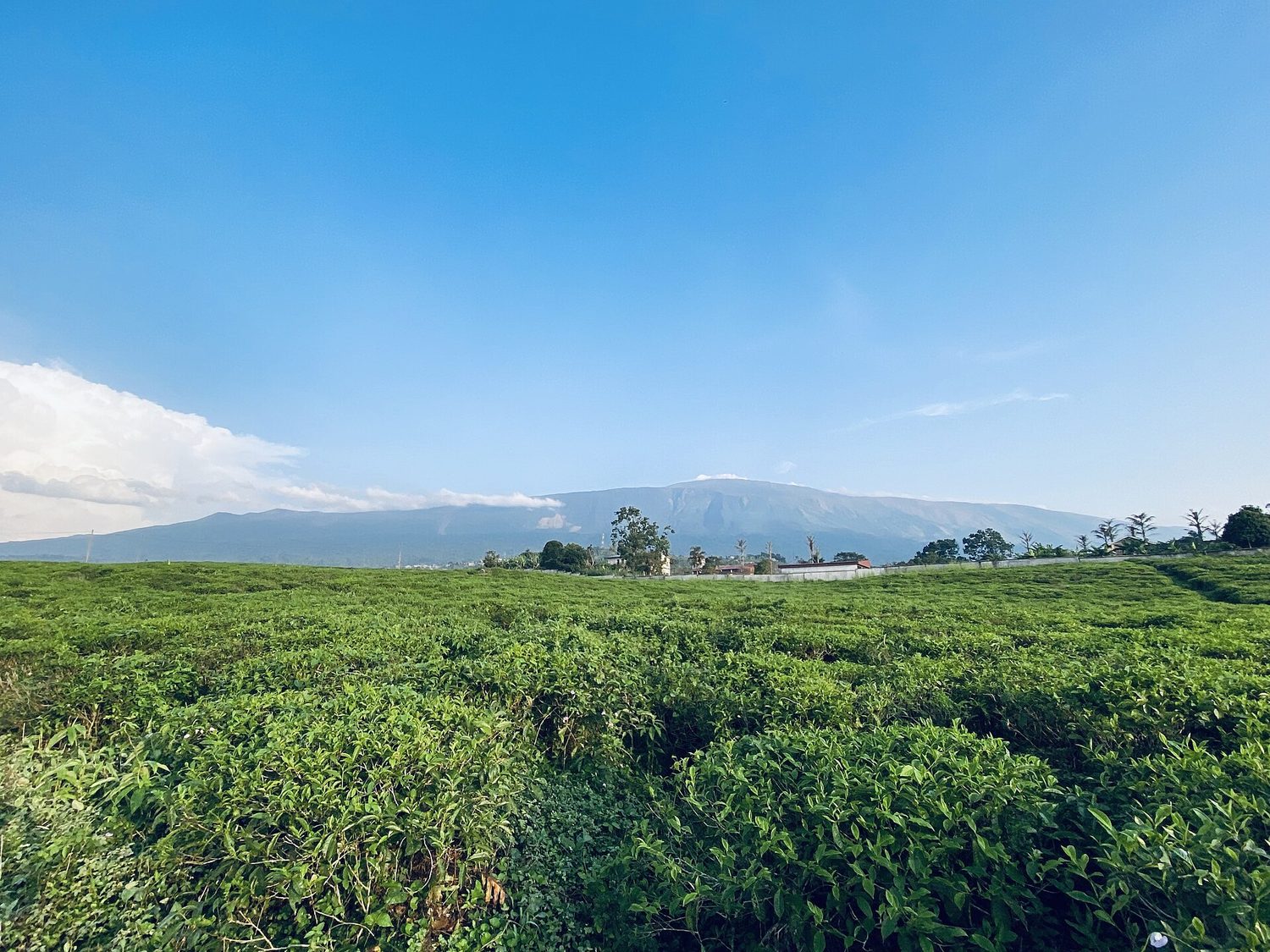
| Plantation agriculture 种植园农业 | tropics (Malaysia, Brazil, Kenya) | one cash crop (palm oil, coffee, tea) on a large estate, mainly for export |
| Market gardening | near large cities | fruit and vegetables for nearby markets |
| Mixed crop and livestock | US Midwest, Western Europe | crops such as maize are grown mostly to feed animals |
Which agricultural type?
Sort each example by its agricultural type.
Match each system to its region.
Difficulty 2/5 · 140 coins + a small bonus on first completion today
Climate decides what can grow.
Why is wet-rice farming in Bangladesh considered intensive?
Difficulty 1/5 · 100 coins + a small bonus on first completion today
Intensive means many inputs per hectare.
Ranching in the US West is an intensive farming system.
Difficulty 1/5 · 100 coins + a small bonus on first completion today
Few workers on huge areas makes it extensive.
Worked FRQ answer
(A) Describe shifting cultivation. Farmers clear a patch of forest by cutting and burning, grow crops for a few years until the soil loses its fertility, then move to a new patch and let the old one recover.
(B) Explain why shifting cultivation is an extensive practice. It uses little labour and no fertiliser on each patch, and it needs a large area of forest so that fields can be left for many years to recover.
(C) Explain ONE reason plantation agriculture is found mainly in tropical regions. Crops such as coffee, cocoa and palm oil need high temperatures and heavy rain all year, which only tropical climates provide.
- Why it scores: (B) ties "extensive" to its definition (low input per hectare, large area); (C) links the crop's needs to climate.
Intensive and extensive are about inputs per hectare, not about rich and poor. Wet-rice farming in Bangladesh is intensive (much labour); ranching in Texas is extensive (few workers on huge areas).
Agricultural regions depend on climate and development. Subsistence farming feeds the family; commercial farming sells for profit. Extensive systems (shifting cultivation, pastoral nomadism, ranching) use few inputs over large areas; intensive systems (wet rice, plantations, market gardening, mixed farming) use many inputs on small areas.
FRQ practice. (A) Identify ONE extensive farming system. (B) Explain how climate influences where it is practised. (C) Explain ONE environmental effect of plantation agriculture.
System, climate, effect.
What went wrong? Only the site team sees this.