コンテンツへスキップ
科目

国際バカロレア · IB Diploma · Language A: Literature · SL

全語彙を練習する
  • 1

    読者、作家、テキスト・文芸形式と精読

    学習プログラム 間もなく公開

    プリント

    対象範囲と前提条件

    IB Language A リテラチャー初回評価 2021;英語焦点。この補足参考書は、記載された準備成果のみをカバーする。学校の選定、フルガイドの手順、および必要なライブまたは録音されたパフォーマンスは別個の事項である。

    • イメージ、ボイス、構造、曖昧さを分析する
    • プロットの要約ではなく、正確な証拠を通じて効果 explain を説明する

    前提知識:スピーカーと作者;修辞法;証拠と資格。

    説明し、方法を選択する

    文学分析では、語句と形式が意味にどう関連するかを結びつけます。擬人法とは、非人間のものに人間の特性を与えることです。

    話者を著者の自身の声として扱う前に、誰が話しているか、そしてその段落が何を提示しているかを明確にする。

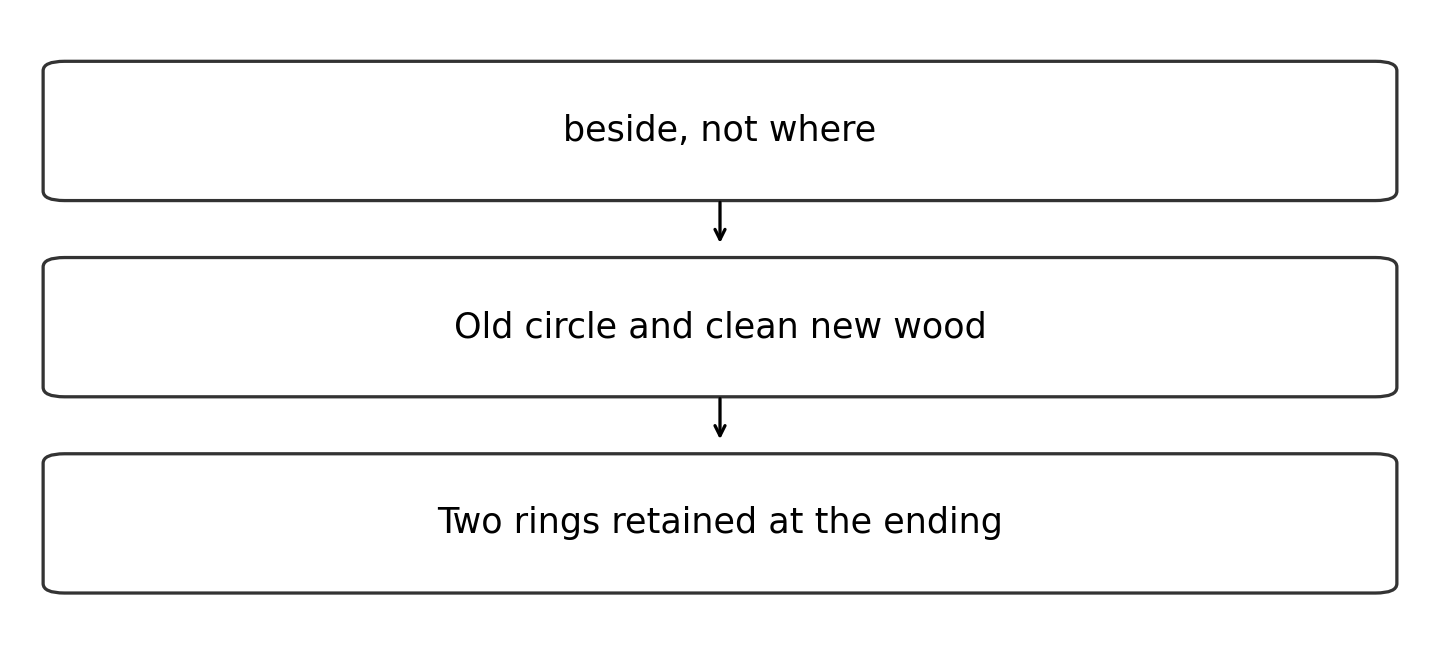
    クローズ・リーディングは、言葉またはパターンを支持される解釈と結びつける。 テキストBにおいて、「beside」は「where」と対比され、追加が代替とは異なることを示す。 詩の古い円と新しい清らかな木材は、関係性を可視的な空間に変換する。 イメージの名付けだけで終わらせず、そのイメージが読者に何を気づかせるかを説明せよ。

     worked example の関係図(原文);完全な文章と限定事項をお読みください。
    worked example の関係図(原文);完全な文章と限定事項をお読みください。

    既存の解答例:元の教室の一連の文章において、「held its breath」は通常の動きを停止させ、期待感を共有されたものにさせる。その解釈を近くの詳細と比較してから、そのフレーズが恐怖を示すのではなく興奮を示すと断言する。

    元の文脈を完成させる

    元の教室テキストは、このサプリメントのために書かれたものであり、学校で選定された評価対象作品ではない。

    テキストA — 看板 毎日朝、私はドアの横にある真鍮のプレートに磨きをかけていた。それは父の名前が刻まれており、私が店を継いでも来客は彼を求めた。私は質問に答え、部品を探し、購入品を梱包した。それでも、ドアで人々はプレートの名前に対して感謝の言葉を述べた。ある午後、私はその下に小さなカードを置いた。「ライラを呼んでください」。次の来客はカードを読み上げ、ためらった後、蝶番の場所を尋ねてきた。私は真鍮のプレートを光り輝かせたままにしておいた。カードもそのまま残された。

    テキストB — 棚上のスペース(原詩) 私はカップの隣に場所を空けた。 かつてカップがあった場所ではなく。 棚は古い円形を保った。 新しい木材はまだ清潔に見えた。 夕方までには、二つの指紋がそれを暗くした。 私はそれを拭き取らなかった。

    この演習のための文脈:両テキストは英語での現代的な教室におけるオリジナルの書き物である。著者の伝記、翻訳の歴史、あるいは実際の社会に関する証拠は提供されていない。 wording が許容するものを比較し、歴史的事実を発明してはならない。実際のコースでの比較を行う場合は、学校の認定学習作品を使用しなければならない。

    Independent practice and checked reasoning

    Transfer 1

    詩のボイス、イメージ、構造を曖昧さを許容する統合的な段落で分析せよ。

    推論:一人称のスピーカーは空間について静かな決断を下す。「Beside」は「where」が暗示する可能性のある代替を修正するため、冒頭は共存を枠組んでいる。「old circle」と「new wood」の対比は、過去と新しい場所に物理的な痕跡を与える。最後のどちらのリングも消去しない行為は、変化した棚を受け入れる。これは共有された帰属感または記憶の保存を示唆するかもしれないが、詩は関係を具体的に名付けていないため、特定の家族物語は証拠の範囲を超える。

    Transfer 2

    「I did not rub them out」と、仮想的な結末である「I rubbed the old ring out」を比較せよ。この選択の変更が意味にどう変化をもたらすかを説明しなさい。

    推論:提示された結末は両方の痕跡を保持しており、共存を支持する。仮想的な結末は古い痕跡を取り除き、置換や意図的な分離を示唆する可能性がある。これは実際の詩からの引用ではなく、発想された代替案との分析比較である。

    Transfer 3

    Text Aの保存された真鍮プレートに対する2つの正当な解釈を与えなさい。そのカードが完全な服従の解釈をどのように制約するか説明しなさい。

    推論:磨かれたプレートを保持することは敬意や継続性を示唆したり、受け継いだ名前の継続的な権威を示したりする可能性がある。新しいカードはLeilaの承認を視覚的に主張しているため、彼女が自身の立場を変える何もしないという解釈はその行動を無視することになる。支持されかつ限定されていれば、解釈は共存しうる。

    Limits and next use

    この教室のセリフは指定された作品からの引用ではなく、独自の表現です。何に対してどのような効果があるかを説明せずに、単に「鮮明な」といった効果を表す言葉を使うことを避けてください。

    All tasks here are public original practice with authored guidance. They are not official questions or fresh diagnostics. Existing protected tests and mocks remain separate.
    語彙カードの意味

    personification: 物体や概念に人間の行動や感情があるかのように扱うこと。 ambiguity: 複数の慎重な読み方を支持する段落。

    English 日本語
    personification/pɜːˈsɒnɪfɪkeɪʃn/ 擬人法
    close reading/kləʊs ˈriːdɪŋ/ 精密読解
    translation/trænˈsleɪʃn/ 翻訳
    ambiguity/ˌæmbɪˈɡjuːɪti/ 曖昧さ
    evidence/ˈevɪdəns/ 証拠
    imagery/ˈɪmɪdʒri/ イメージ
  • 2

    時間と空間;相互文本性・比較的文芸的論考

    学習プログラム 間もなく公開

    プリント

    English

    Scope and prerequisites

    IB Language A literature first assessment 2021; English focus. This supplemental reference covers only the listed preparation outcomes. School selections, full-guide procedures and required live or recorded performance are separate.

    • Compare choices in two literary works
    • Use context and contrasting readings to develop a reasoned interpretation

    Prerequisites: Close reading 细读; comparative claim; context versus biography.

    Explain and choose the method

    A lyric can compress a moment while a novel develops events across a longer narrative.

    Paper 2 requires a comparative argument 论证 比较论证 about two studied works, supported by precise knowledge and authorial choices.

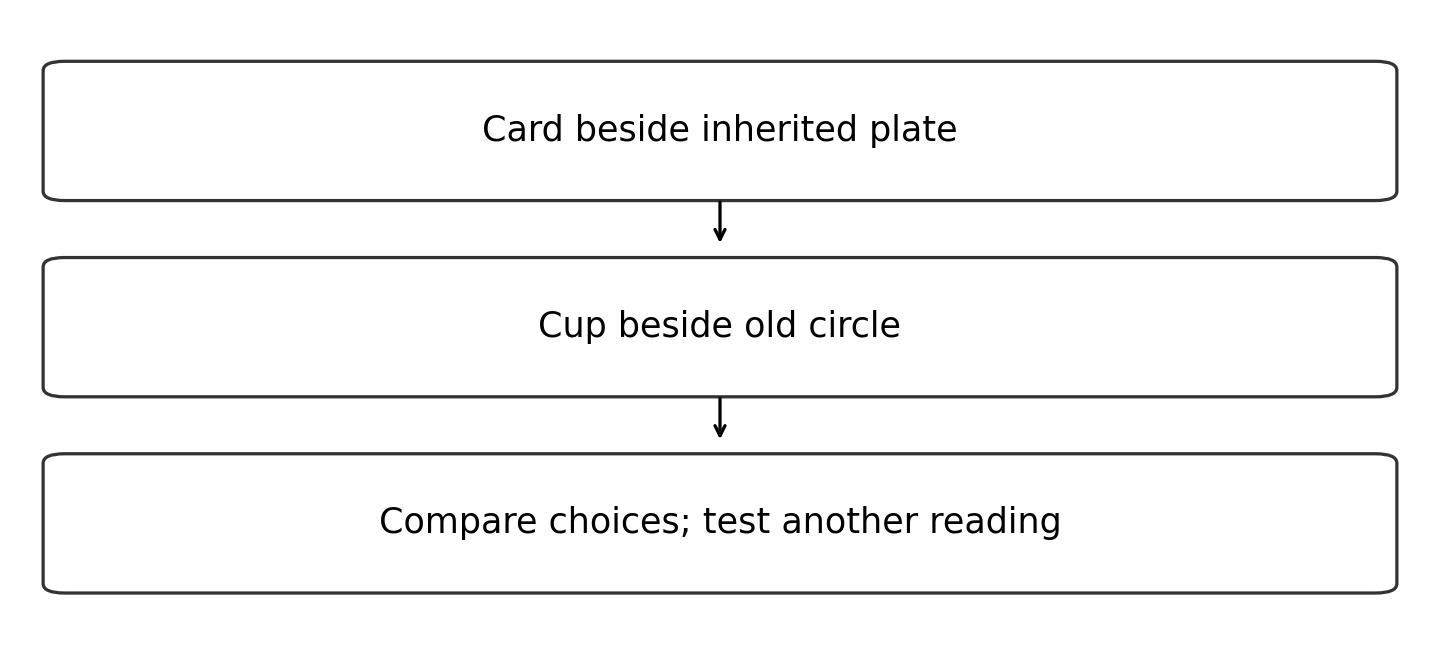
    A comparative argument explains a relationship through both texts. Use a shared question, then analyse a distinct choice in each text. “Both concern belonging” is a start, not a developed comparison. The original classroom context supplies no biography; analyse wording before suggesting a broader interpretation.

    Original diagram of the worked relationship; read the full wording and qualifications.
    Original diagram of the worked relationship; read the full wording and qualifications.

    Existing worked example: Build a paragraph about how time is arranged in each work: repetition may return a poem to one moment while retrospective narration 回顾性叙述 revises an earlier event. Explain how this difference shapes the reader's understanding of memory.

    Complete original context

    Original classroom texts, written for this supplement. They are not school-selected assessed works.

    Text A — The label Every morning I polished the brass plate beside the door. It carried my father's name, and visitors asked for him even after I took charge of the shop. I answered their questions, found the parts, and wrapped each purchase. Still, at the door, they thanked the name on the plate. One afternoon I put a small card below it: “Ask for Leila.” The next visitor read the card aloud, hesitated, and then asked me where the hinges were. I left the brass plate shining. The card stayed too.

    Text B — A space on the shelf (original poem) I cleared a place beside the cup, not where the cup had been. The shelf kept its old circle; the new wood still looked clean. By evening, two rings darkened it. I did not rub them out.

    Context supplied for this exercise: both texts are contemporary original classroom writing in English. No author biography, translation 翻译 history or evidence 证据 about a real society is supplied. Compare what the wording permits; do not invent historical facts. A real course comparison must use the school's eligible studied works.

    Independent practice and checked reasoning

    Transfer 1

    Compare how both texts represent making a place for a new identity. Write a complete comparative paragraph with quotations.

    Reasoning: Both texts make identity visible through a small addition rather than complete replacement. In A, “Ask for Leila” gives the worker a public name beside the inherited brass plate, turning unnamed labour into recognition. In B, “beside” rather than “where” preserves the old cup's place while creating another. A's hesitation before a visitor speaks Leila's name stages a social adjustment; B's two darkened rings make coexistence visible without a visitor. The difference is between recognition through language and belonging through shared space, not a simple opposition between keeping and destroying the past.

    Transfer 2

    Identify one contrasting reading that complicates a wholly optimistic interpretation of A, without inventing biography.

    Reasoning: Leila must add a request to be recognised, and the visitor hesitates, so recognition is not automatic. Keeping the shining plate may suggest respect, but could also show the inherited name retains authority. Both readings need the supplied details and should remain interpretations, not claims about the author's family.

    Transfer 3

    Explain how you would transfer this method to two actual studied works and what must be verified before making historical-context claims.

    Reasoning: Choose a question-led comparison, select precise scenes and authorial choices from both works, and test a counter-reading. Verify editions, eligible works, reliable contextual evidence and the relevance 相关性 of that context to textual details. A general biography cannot replace analysis.

    Limits and next use

    Do not imply every poem or novel works this way; verify the selected works. Context should illuminate details rather than replace textual evidence with a history lesson.

    All tasks here are public original practice with authored guidance. They are not official questions or fresh diagnostics. Existing protected tests and mocks remain separate.
    Vocabulary card meanings

    retrospective narration: Narration that looks back from a time after the events.

    English 日本語
    retrospective narration/ˌretrəʊˈspektɪv nəˈreɪʃn/ 回顧的叙述
    comparative argument 比較的論証
    close reading/kləʊs ˈriːdɪŋ/ 精密読解
    translation/trænˈsleɪʃn/ 翻訳
    relevance/ˈrelɪvəns/ 関連性
    evidence/ˈevɪdəns/ 証拠
    argument/ˈɑːɡjuːmənt/ 論証
  • 3

    個人口頭・世界的な問題と翻訳作品

    学習プログラム 間もなく公開

    プリント

    対象範囲と前提条件

    IB Language A リテラチャー初回評価 2021;英語焦点。この補足参考書は、記載された準備成果のみをカバーする。学校の選定、フルガイドの手順、および必要なライブまたは録音されたパフォーマンスは別個の事項である。

    • 原文および翻訳作品全体を通じて、焦点を絞った課題を選択する
    • 指定された口頭試験において抜粋と作品全体を分析する

    前提条件:密読;原文と翻訳の違い;作品全体の証拠。

    説明し、方法を選択する

    口頭発表では、学習言語で書かれた本来の作品と翻訳して学んだ作品を、グローバルな課題を通じて結びつける。

    詳細な抜粋分析と、両作品全体における課題の扱いのバランスを取ってください。

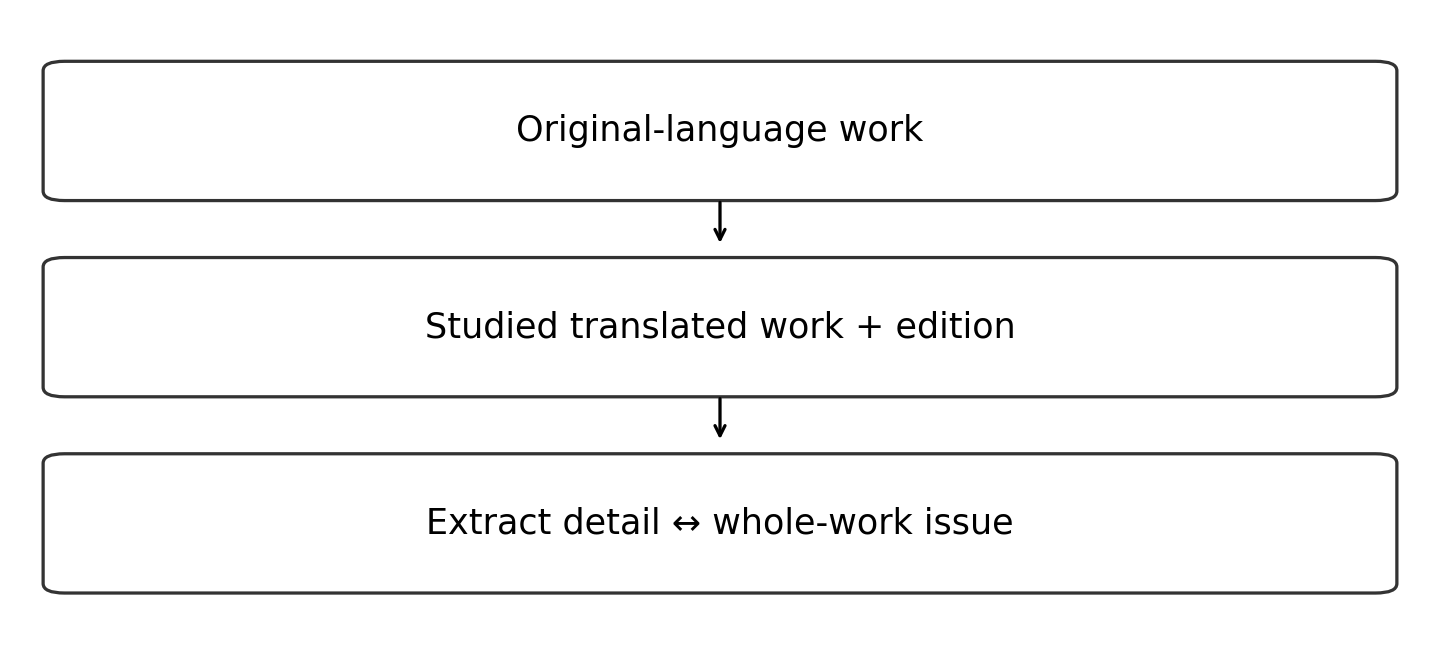
    文学口頭試験では、学習言語で書かれた eligible work と、翻訳して学習した作品の1つを結びつける。 翻訳者および版を記録し、実際に利用可能な言語について議論しなさい。 焦点を絞った課題は抜粋を結びつけることができるが、分析は作品全体にも及ぶ必要がある。 これらの2つの英語の教室テキストは、eligibleな原文/翻訳のペアではない;選択と限定の練習のためにのみ使用しなさい。

     worked example の関係図(原文);完全な文章と限定事項をお読みください。
    worked example の関係図(原文);完全な文章と限定事項をお読みください。

    既存の worked example:命名による排除に関する焦点を絞った課題について、選ばれた抜粋のラベル、叙述位置、結果を比較しなさい。翻訳者および版を記録し、読めない原文の言葉に関する根拠のない主張を避けなさい。

    元の文脈を完成させる

    元の教室テキストは、このサプリメントのために書かれたものであり、学校で選定された評価対象作品ではない。

    テキストA — 看板 毎日朝、私はドアの横にある真鍮のプレートに磨きをかけていた。それは父の名前が刻まれており、私が店を継いでも来客は彼を求めた。私は質問に答え、部品を探し、購入品を梱包した。それでも、ドアで人々はプレートの名前に対して感謝の言葉を述べた。ある午後、私はその下に小さなカードを置いた。「ライラを呼んでください」。次の来客はカードを読み上げ、ためらった後、蝶番の場所を尋ねてきた。私は真鍮のプレートを光り輝かせたままにしておいた。カードもそのまま残された。

    テキストB — 棚上のスペース(原詩) 私はカップの隣に場所を空けた。 かつてカップがあった場所ではなく。 棚は古い円形を保った。 新しい木材はまだ清潔に見えた。 夕方までには、二つの指紋がそれを暗くした。 私はそれを拭き取らなかった。

    この演習のための文脈:両テキストは英語での現代的な教室におけるオリジナルの書き物である。著者の伝記、翻訳の歴史、あるいは実際の社会に関する証拠は提供されていない。 wording が許容するものを比較し、歴史的事実を発明してはならない。実際のコースでの比較を行う場合は、学校の認定学習作品を使用しなければならない。

    Independent practice and checked reasoning

    Transfer 1

    Text Aを用いて承認に関する焦点を絞った課題を形成し、有用な抜粋の詳細2つを特定しなさい。また、評価対象となる文学口頭試験のペアに対して欠如している証拠を挙げなさい。

    推論:「受け継いだ名前と新しい労働者の承認」といった課題は、プレートへの感謝と「Leilaを探して」のカードを用いることができる。この練習には、学習した翻訳作品、翻訳者、版、および承認された作品全体のペアが含まれておらず、評価対象の口頭試験要件を証明することはできない。

    Transfer 2

    ある学生は、翻訳された形容詞が原文の作者の意図を正確に表していると主張した。より慎重な分析文を作成し、不足している証拠について説明せよ。

    推論:「この翻訳において、形容詞は話者を躊躇する人物として提示しており、この表現は場面の慎重な読解を裏付けている。」原文単語の評価や翻訳者の介入を確認するには、原文テキスト、言語的知識、信頼できる比較が必要である。利用できない語句へのアクセスを仮定せずに、翻訳を分析することは可能である。

    Transfer 3

    抜粋の細部と作品全体の主張のバランスを取る計画を立て、その主張を検証する追加課題を示せ。現在必要とされている生きた証拠について説明せよ。

    推論:承認された抜粋に見られる反復される選択を特定し、同じ作品内の別の場面に結びつけ、結末や対照的な声が問題複雑化させるかどうかを試す。追加課題は「作品はあなたの解釈にどこで抵抗するか?」である。学校は2つの適格作品、手順およびメモを確認しなければならない。教員による監督下の討論や記録は、書面計画とは異なる。

    Limits and next use

    この文学口頭発表では、文学作品と広告をペアにしない。学校は、テキストの選択、再利用ルール、抜粋の長さ、メモ、および真正性を完全ガイドラインに基づいて確認する。

    All tasks here are public original practice with authored guidance. They are not official questions or fresh diagnostics. Existing protected tests and mocks remain separate.

    English 日本語
    close reading/kləʊs ˈriːdɪŋ/ 精密読解
    global issue/ˈɡləʊbl ˈɪʃuː/ 世界的な課題
    translation/trænˈsleɪʃn/ 翻訳
    evidence/ˈevɪdəns/ 証拠
    detail/ˈdiːteɪl/ 詳細

ログインまたはアカウント作成

IGCSE, A-Level & AP