All tasks here are public original practice with authored guidance. They are not official questions or fresh diagnostics. Existing protected tests and mocks remain separate.
IB Language A literature first assessment 2021; English focus. This supplemental reference covers only the listed preparation outcomes. School selections, full-guide procedures and required live or recorded performance are separate.
Compare choices in two literary works
Use context and contrasting readings to develop a reasoned interpretation
Prerequisites: Close reading 细读; comparative claim; context versus biography.
Explain and choose the method
A lyric can compress a moment while a novel develops events across a longer narrative.
Paper 2 requires a comparative argument 论证 比较论证 about two studied works, supported by precise knowledge and authorial choices.
A comparative argument explains a relationship through both texts.
Use a shared question, then analyse a distinct choice in each text.
“Both concern belonging” is a start, not a developed comparison.
The original classroom context supplies no biography; analyse wording before suggesting a broader interpretation.
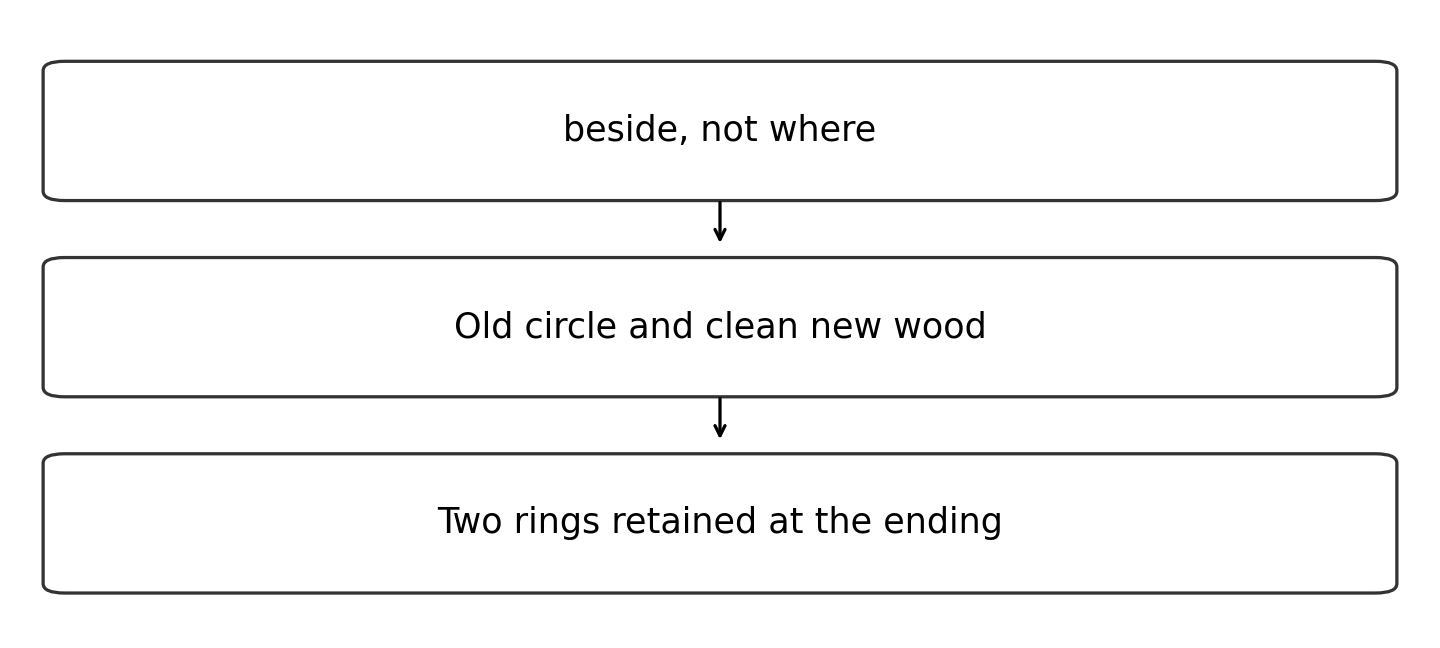
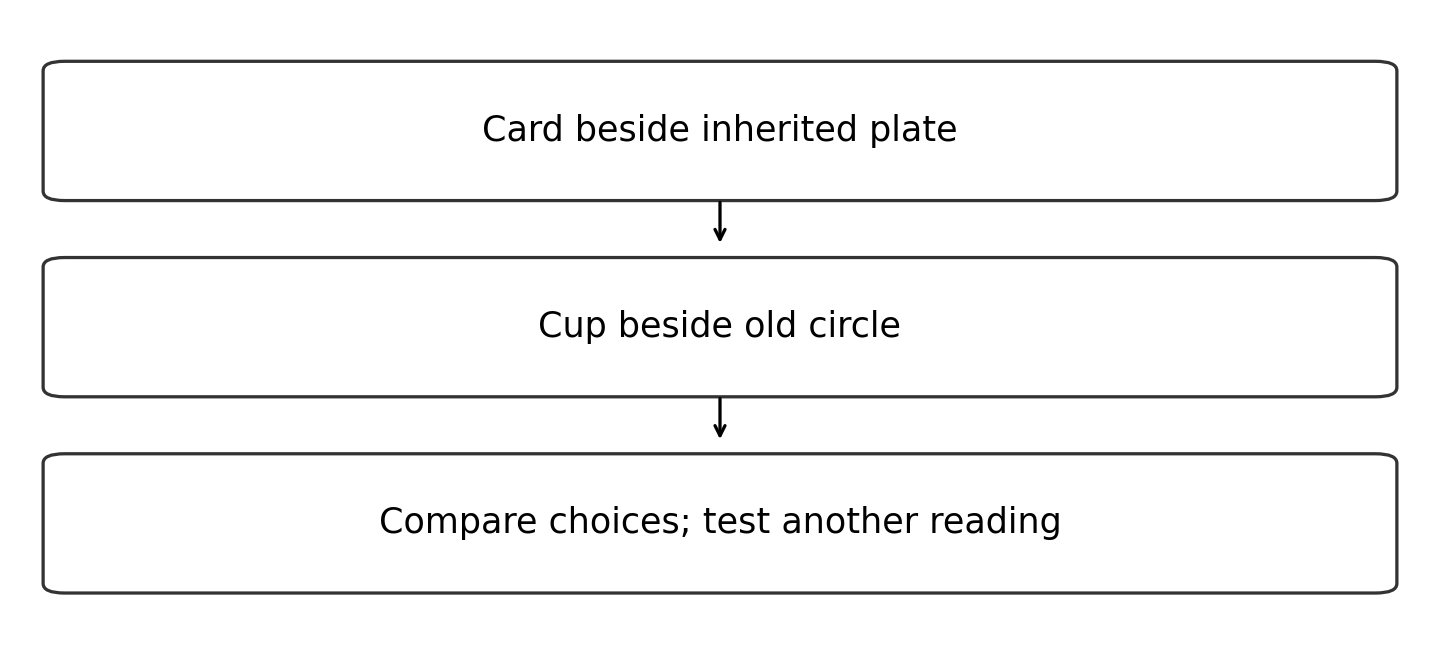
Original diagram of the worked relationship; read the full wording and qualifications.
Existing worked example: Build a paragraph about how time is arranged in each work: repetition may return a poem to one moment while retrospective narration 回顾性叙述 revises an earlier event. Explain how this difference shapes the reader's understanding of memory.
Complete original context
Original classroom texts, written for this supplement. They are not school-selected assessed works.
Text A — The label
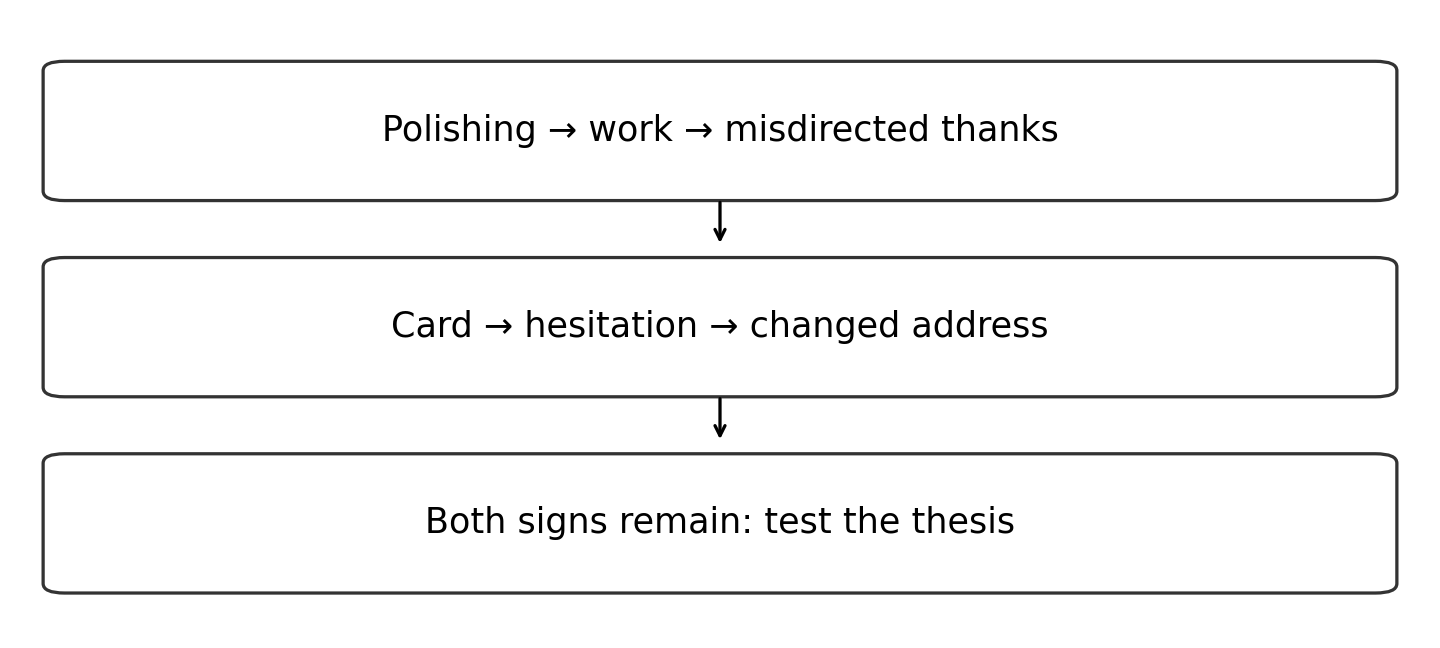
Every morning I polished the brass plate beside the door. It carried my father's name, and visitors asked for him even after I took charge of the shop. I answered their questions, found the parts, and wrapped each purchase. Still, at the door, they thanked the name on the plate. One afternoon I put a small card below it: “Ask for Leila.” The next visitor read the card aloud, hesitated, and then asked me where the hinges were. I left the brass plate shining. The card stayed too.
Text B — A space on the shelf (original poem)
I cleared a place beside the cup,
not where the cup had been.
The shelf kept its old circle;
the new wood still looked clean.
By evening, two rings darkened it.
I did not rub them out.
Context supplied for this exercise: both texts are contemporary original classroom writing in English. No author biography, translation 翻译 history or evidence 证据 about a real society is supplied. Compare what the wording permits; do not invent historical facts. A real course comparison must use the school's eligible studied works.
Independent practice and checked reasoning
Transfer 1
Compare how both texts represent making a place for a new identity. Write a complete comparative paragraph with quotations.
Reasoning: Both texts make identity visible through a small addition rather than complete replacement. In A, “Ask for Leila” gives the worker a public name beside the inherited brass plate, turning unnamed labour into recognition. In B, “beside” rather than “where” preserves the old cup's place while creating another. A's hesitation before a visitor speaks Leila's name stages a social adjustment; B's two darkened rings make coexistence visible without a visitor. The difference is between recognition through language and belonging through shared space, not a simple opposition between keeping and destroying the past.
Transfer 2
Identify one contrasting reading that complicates a wholly optimistic interpretation of A, without inventing biography.
Reasoning: Leila must add a request to be recognised, and the visitor hesitates, so recognition is not automatic. Keeping the shining plate may suggest respect, but could also show the inherited name retains authority. Both readings need the supplied details and should remain interpretations, not claims about the author's family.
Transfer 3
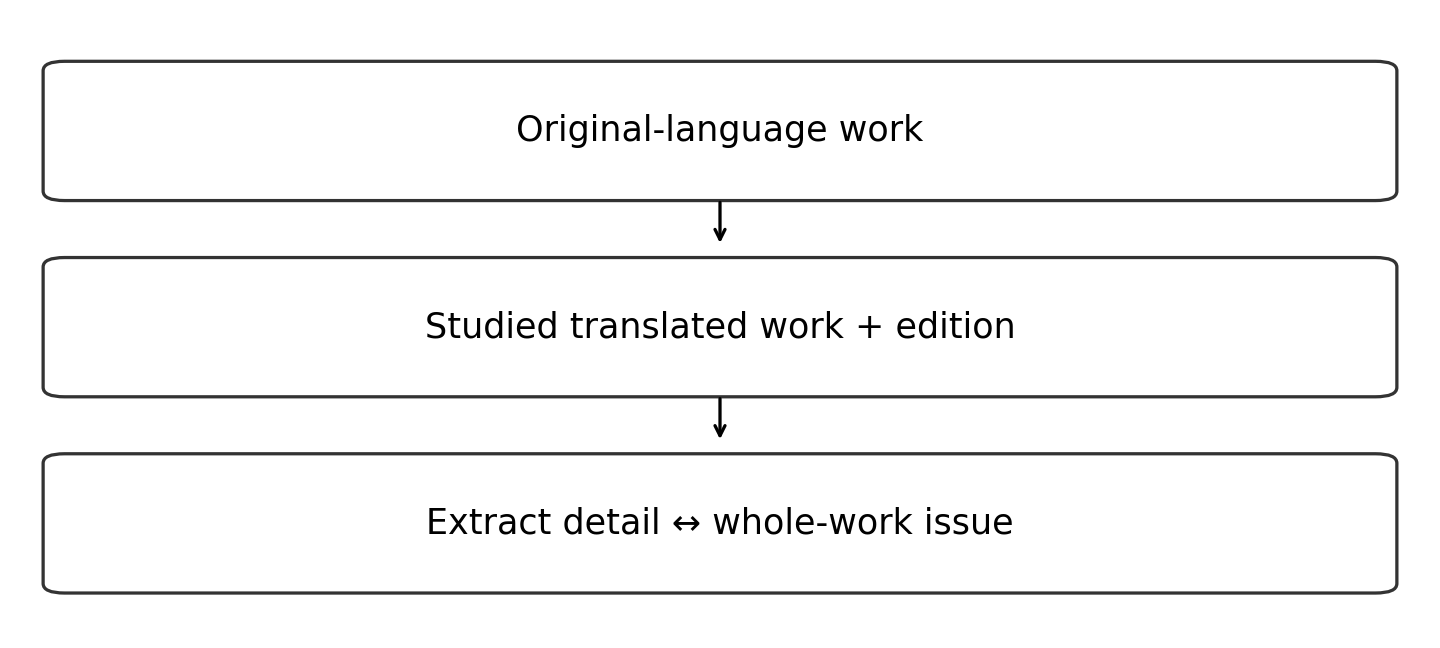
Explain how you would transfer this method to two actual studied works and what must be verified before making historical-context claims.
Reasoning: Choose a question-led comparison, select precise scenes and authorial choices from both works, and test a counter-reading. Verify editions, eligible works, reliable contextual evidence and the relevance 相关性 of that context to textual details. A general biography cannot replace analysis.
Limits and next use
Do not imply every poem or novel works this way; verify the selected works. Context should illuminate details rather than replace textual evidence with a history lesson.
All tasks here are public original practice with authored guidance. They are not official questions or fresh diagnostics. Existing protected tests and mocks remain separate.
Vocabulary card meanings
retrospective narration: A story told later, looking back on events.
All tasks here are public original practice with authored guidance. They are not official questions or fresh diagnostics. Existing protected tests and mocks remain separate.
カードはその問題を、極めて直接的な言葉で解決する。「Ask for Leila(ライラを探して)」は、父の不在を説明したり、来客を非難したりする記述ではなく、指令である。その動詞は読者に新たな行為を促す:今、業務を担う人物に直接呼びかけること。自分の名前を選ぶことで、ライラはもはや単に既に関係が成立している人物の娘としてではなく、個々の人物として可視化される。しかし、カードは小さく、真鍮のプレートの「下」に置かれている。これらの詳細は、急激な勝利の物語を単純に捉えることを複雑にする。追加された要素は、既存の配置に組み込まれた実用的な修正として読むこともできるが、その従属的な位置は、継承されたアイデンティティの方が依然として際立っている可能性も示唆している。どちらの解釈も、実際の空間的な関係に基づいている。どちらも、物語の外側にConflict(対立)の歴史を捏造する必要はない。
All tasks here are public original practice with authored guidance. They are not official questions or fresh diagnostics. Existing protected tests and mocks remain separate.