הערכה ראשונה IB Language A ספרות 2021; דגש אנגלי. עמוד זה מתייחס רק לתוצאות ההכנה המפורטות. בחירות לבית הספר, הליכי מדריך מלאים והופעה חיה או מוקלטת נדרשים הם נפרדים.
ניתוח תמונות, קול, מבנה ואמביוגויות
הסבר השפעות באמצעות עדויות מדויקות ולא סיכום עלילה
תנאי קבלה: דיבור מול כתיבה; שפה סמנטית; עדויות והקשר.
הסבר ובחירת השיטה
ניתוח ספרותי מקשר בין מילים לבין צורה ומשמעות. אישום מייחס מאפיינים אנושיים לדבר שאינו אנושי.
קבע מי הדובר ומה הטקסט מספק לפני שמתחשבים בקול הדובר כקולו של המחבר עצמו.
קריאה קרובה מקשרת מילה או דפוס לפרשנות נתמכת.
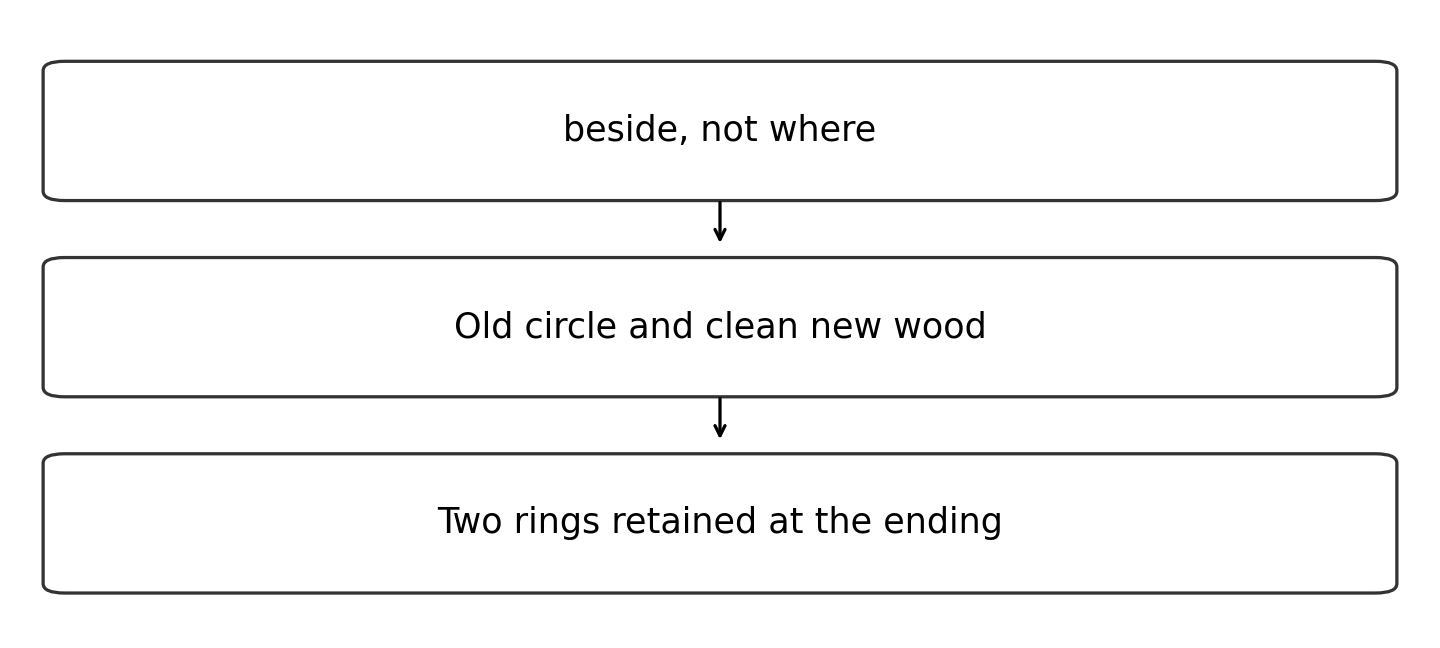
בטקסט B, “beside” (בצד) ניגוד ל-“where” (איפה) והופך הוספה להחלפה.
המעגל הישן והעץ החדש והנקי של המשפט הופכים יחס למרחב גלוי.
אל תעצור בסימון תמונות; הסבר מה התמונה מאפשר לקורא לשים לב אליו.
תרשים מקורי של הקשר העבודה; קראו את כל הניסוח וההגבלות.
דוגמה מופתית קיימת: בקו המקומי של השיעור, הביטוי "held its breath" (החזיק את נשימתו) תולה תנועה רגילה וגורם להתלהבות להרגיש משותפת. השווה פרשנות זו לפרטים הסמוכים לפני שתטען שהביטוי מצביע על פחד ולא על תערוצה.
השלמת ההקשר המקורי
טקסטים מקוריים לכיתה, כתובים למסמך זה. הם אינם יצירות נבחרות לבחינה בבית הספר.
טקסט א' — התווית
כל בוקר הייתי מלוטש את לוח הנחושת לצד הדלת. הוא נשא את שמו של אבי, ואורחים שאלו עליו גם לאחר שהתחלתי לנהל את החנות. עניתי לשאלותיהם, מצאתי את החלקים ואריזתי כל רכישה. עם זאת, בצד הדלת הם הודו בשמו שבלוח. אחר הצהריים שמתי כרטיס קטן מתחתיו: “בקשו לליילה”. האורח הבא קרא את הכרטיס בקול, התעכב, ואז שאל אותי היכן הטבלונים. השארתי את לוח הנחושת מבריק. הכרטיס נשאר גם הוא.
טקסט ב — מקום במדף (שירה מקורית)
ניקתי מקום לצד הספל,
לא במקום בו היה הספל.
המדף שמר את העיגול הישן שלו;
העץ החדש עדיין נראה נקי.
עד לערב, שני טבעות כיוונו אותו.
לא זיפפתי אותן.
הקשר מסופק לתרגיל זה: שני הטקסטים הם כתובות תוכנית מקוריות בתוכנית לימודים בעברית המודרנית. אין ספק ביולוגיה, היסטוריית תרגום או הוכחות לגבי חברה אמיתית. השוו מה שהניסוח מאפשר; אל תמציאו עובדות היסטוריות. השוואת קורסים אמיתית חייבת להשתמש בעבודות הנצפות בבית הספר.
אימון עצמאי וחשיבה מאומתת
העברה 1
נתח את קול המשפט, תמונותיו ומבנהו בפרק רציף, תוך השארת מקום לאמביוגויות.
הסבר: הדיבור הראשון בוחר בחוכמה על מרחב. “Beside” (בצד) מתקן את ההחלפה האפשרית שמוגדרת על ידי “where” (איפה), ולכן הפתיחה מציגה קיום משותף. הניגוד בין “old circle” (מעגל ישן) ל-“new wood” (עץ חדש) נותן לעבר ולמקום חדש עקבות פיזיים. הדחייה הסופית למחיקה של כל טבעת מקבלת את המדף המשתנה.这可能暗示共同归属或保存记忆;诗歌并未明确说明这种关系,因此具体的家庭故事会超出证据范围。
העברה 2
השוו "לא גיבתי אותם" לסיום הדמיוני "גירדתי את הטבעת הישנה". הסבר כיצד השינוי בנבחרת משנה את המשמעות.
נימוק: הסיום המסופק שומר על שני העקבות ותומך בשיתוף קיום. הסיום הדמיוני מסייר את העקוב הישן ועלול להעיד על החלפה או הפרדה מכוונת. מדובר בהשוואה אנליטית עם חלופה שנמצאת, ולא בתוך מתוך השירה האמיתית.
העברה 3
תן שתי קריאות הגוננות של לוח הברזל השמור בטקסט A. הסבר כיצד הכרטיס מגביל קריאה של כפיעה מוחלטת.
נימוק: שמירת הלוח המלוטש עשויה לרמז על כבוד ורציפות, או על הרשות הנמשכת של שם מורש. הכרטיס החדש מבטא בגלוי את ההכרה בליילה, ולכן קריאה לפיה היא אינה עושה כלום כדי לשנות את מצבה מתעלמת מהפעולה הזו. פרשנויות יכולות להתקיים יחד אם הן נתמכות ומוגדרות.
מגבלות ושימוש עתידי
משפט החדר הוא אימון מקורי, ולא ציטוט ממחברת נדרשת. הימנע משימוש במילת אפקט כמו 'חיוני' (vivid) ללא הסבר מה הופך לחיוני ולמה זה חשוב.
כל המשימות כאן הן אימון מקורי ציבורי עם הדרכה שנכתבה. הן אינן שאלות רשמיות או אבחונים חדשים. מבחנים ומדמים מוגנים קיימים נשארים בנפרד.
משמעותי כרטיס מילים
פארסונה: מעניק תכונות אנושיות לדבר שאינו אדם.
חוסר ודאות: נסוח שיכול לקרוא באופן הוגן בדרכים שונות.
הערכה ראשונה IB Language A ספרות 2021; דגש אנגלי. עמוד זה מתייחס רק לתוצאות ההכנה המפורטות. בחירות לבית הספר, הליכי מדריך מלאים והופעה חיה או מוקלטת נדרשים הם נפרדים.
השוו נבחרות בשני יצירות ספרותיות
השתמש בקשר ובקריאות ניגודיות לפיתוח פרשנות מוצדקת
תנאי קדם: קריאה מעמיקה; טענה השוואתית; הקשר מול חיי האיש.
הסבר ובחירת השיטה
שירה ליירית יכולה לדחס רגע, בעוד שרומן מפתח אירועים לאורך נרטיב ארוך יותר.
פסקה 2 דורשת ארגומנט השוואתי בין שני יצירות שנלמדו, בתמיכה ידע מדויק ובבחירות סופרים.
טענה השוואתית מסבירה קשר דרך שתי היצירות.
השתמשו בשאלה משותפת, ולאחר מכן נתחו בחירה נבדלת בכל יצירה.
"שתי היצירות עוסקות בשייכות" הוא התחלה, אך לא השוואה מפותחת.
הקلاس המקורי אינו מספק חיי איש; נתחו את הניסוח לפני הצעת פרשנות רחבה יותר.
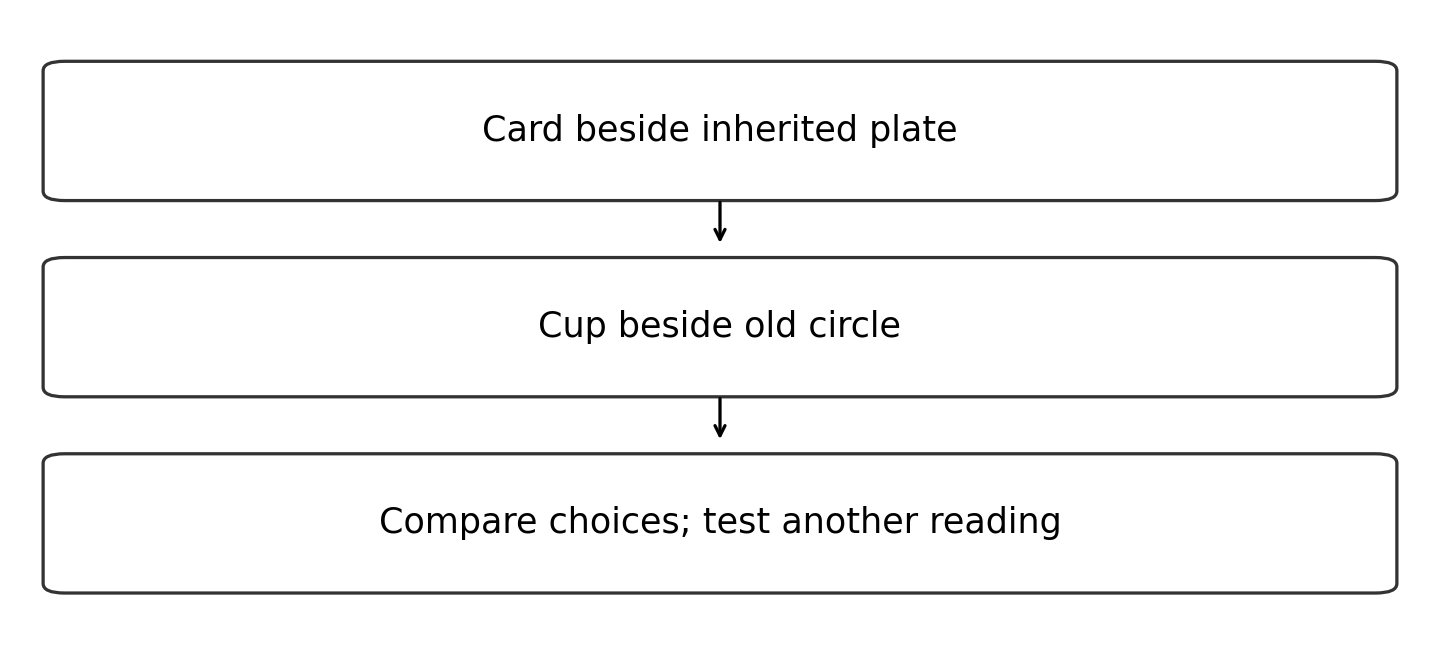
תרשים מקורי של הקשר העבודה; קראו את כל הניסוח וההגבלות.
דוגמה פותרת קיימת: בנה פסקה על אופן ארגון הזמן בכל יצירה: חזרה עשויה להחזיר שירה לרגע אחד בעוד שסיפור רטרוספקטיבי משנה אירוע קודם. הסבר כיצד הבדל זה מעצב את ההבנה של זיכרון אצל הקורא.
השלמת ההקשר המקורי
טקסטים מקוריים לכיתה, כתובים למסמך זה. הם אינם יצירות נבחרות לבחינה בבית הספר.
טקסט א' — התווית
כל בוקר הייתי מלוטש את לוח הנחושת לצד הדלת. הוא נשא את שמו של אבי, ואורחים שאלו עליו גם לאחר שהתחלתי לנהל את החנות. עניתי לשאלותיהם, מצאתי את החלקים ואריזתי כל רכישה. עם זאת, בצד הדלת הם הודו בשמו שבלוח. אחר הצהריים שמתי כרטיס קטן מתחתיו: “בקשו לליילה”. האורח הבא קרא את הכרטיס בקול, התעכב, ואז שאל אותי היכן הטבלונים. השארתי את לוח הנחושת מבריק. הכרטיס נשאר גם הוא.
טקסט ב — מקום במדף (שירה מקורית)
ניקתי מקום לצד הספל,
לא במקום בו היה הספל.
המדף שמר את העיגול הישן שלו;
העץ החדש עדיין נראה נקי.
עד לערב, שני טבעות כיוונו אותו.
לא זיפפתי אותן.
הקשר מסופק לתרגיל זה: שני הטקסטים הם כתובות תוכנית מקוריות בתוכנית לימודים בעברית המודרנית. אין ספק ביולוגיה, היסטוריית תרגום או הוכחות לגבי חברה אמיתית. השוו מה שהניסוח מאפשר; אל תמציאו עובדות היסטוריות. השוואת קורסים אמיתית חייבת להשתמש בעבודות הנצפות בבית הספר.
אימון עצמאי וחשיבה מאומתת
העברה 1
השוו כיצד שני הטקסטים מייצגים יצירת מקום למזהות חדשות. כתבו פרק השוואה מלא עם ציטוט.
נימוק: שני הטקסטים הופכים זהות לנראית דרך תוספת קטנה ולא החלפה מלאה. בטקסט א’, “בקשו לליילה” מעניקה לעובדת שם ציבורי לצד לוח הנחושת המורש, וממרת עבודה לא מזוהה להכרה. בטקסט ב’, “בצד” במקום “במקום” שומר על מקום הספל הישן תוך יצירת מקום נוסף. ההתעכבות של טקסט א’ לפני שאורח אומר את שמה של לליילה מציגה התאמות חברתיות; שתי הטבעות הכהות בטקסט ב’ הופכות את הקיום המשותף לנראה ללא אורח. ההבדל הוא בין הכרה דרך לשון ובין השייכות דרך מרחב משותף, ולא ניגוד פשוט בין שמירה והשמדת העבר.
העברה 2
זהו קריאה נגדית אחת שמסבכת פרשנות אופטימית לחלוטין של טקסט א’, ללא המצאת ביולוגיה.
נימוק: לליילה חייבת להוסיף בקשה להכרה, והאורח מתעכב, ולכן ההכרה אינה אוטומטית. שמירת לוח הנחושת המבריק עשויה להעיד על כבוד, אך יכולה גם להצביע על כך שהשם המורש שומר על סמכות. שתי הפרשניות צריכות להסתמך על הפרטים המסופקים ויש להישאר כפרשניות ולא כטענות לגבי המשפחה של המחבר.
העברה 3
הסביר כיצד תעביר שיטה זו לשתי עבודות שנלמדו בפועל ומה יש לבדוק לפני הגשת טענות בהקשר היסטורי.
נימוק: בחר השוואה המונעת משאלה, בחר סצנות מדויקות ובחירות מחבריות משתי העבודות, ובדוק קריאה נגדית. בדוק מהדורות, עבודות נצפות, הוכחות הקשר אמינות והתאמת ההקשר הזה לפרטי הטקסט. ביולוגיה כללית לא תחליף ניתוח.
מגבלות ושימוש עתידי
אל תגלה שהכל שירים ורומנים פועלים כך; בדוק את היצירות הנבחרות. הרקע אמור להבהיר פרטים ולא להחליף עדות טקסטואלית בשיעור היסטוריה.
כל המשימות כאן הן אימון מקורי ציבורי עם הדרכה שנכתבה. הן אינן שאלות רשמיות או אבחונים חדשים. מבחנים ומדמים מוגנים קיימים נשארים בנפרד.
משמעותי כרטיס מילים
סיפור רטרוספקטיבי: סיפור מסופר מאוחר יותר, המסתכל לאחור על אירועים.
הערכה ראשונה IB Language A ספרות 2021; דגש אנגלי. עמוד זה מתייחס רק לתוצאות ההכנה המפורטות. בחירות לבית הספר, הליכי מדריך מלאים והופעה חיה או מוקלטת נדרשים הם נפרדים.
בחר נושא ממוקד בין יצירות בשפת המקור לבין יצירות בתרגום
ניתח קטעים ויצירות שלמות בשיח ש控oral
תנאי קבלה: קריאה צמודה; שפת מקור לעומת תרגום; עדות ליצירה שלמה.
הסבר ובחירת השיטה
הלימוד המוראלי מקשר בין יצירה שנכתבה במקור בשפה הנלמדת לבין יצירה שנלמדה בתרגום באמצעות נושא גלובלי.
איזן בין ניתוח מפורט של קטעים לבין טיפול בנושא לאורך שתי היצירות כולן.
השיח הספרותי מקשר יצירה אחת שהיא כתובה במקור בשפה הנלמדת ויצירה שנלמדת בתרגום.
רשום את המתרגם והמהדורה, ודן בשפה שהייתה באמת זמינה עבורך.
נושא ממוקד יכול לחבר קטעים, אך הניתוח חייב גם להגיע ליצירות שלמות.
שני טקסטים בסדנת ספרות באנגלית אלו אינם זוג יצירה מקורית/תרגום תקף; השתמש בהם רק לתרגול בחירה והגדרה.
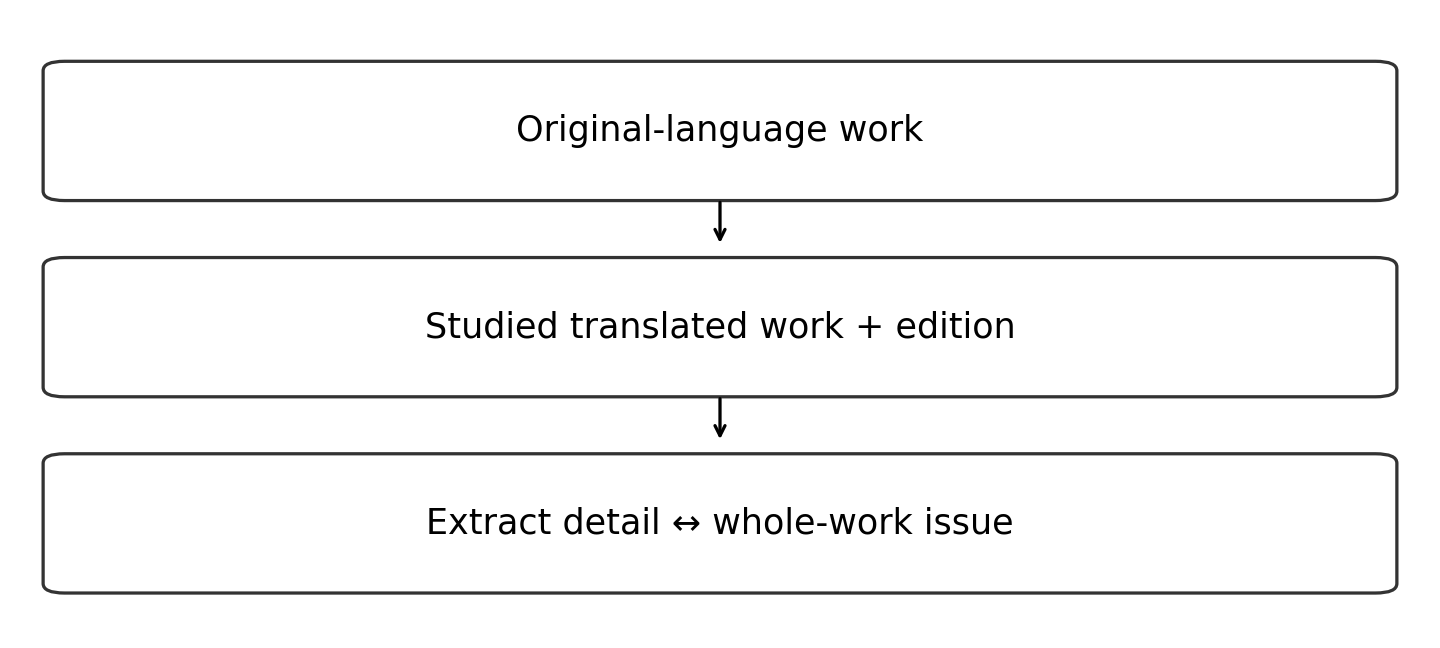
תרשים מקורי של הקשר העבודה; קראו את כל הניסוח וההגבלות.
דוגמה פותרת קיימת: לנושא ממוקד על גירוש דרך שמהות, השוו התוויות, המיקומים הסיפוריים והתוצאות של הקטעים הנבחרים. רשום את המתרגם והמהדורה, והימנע מטענות בלתי מוצדקות לגבי נסוח בשפת מקור שאינך יכול לקרוא.
השלמת ההקשר המקורי
טקסטים מקוריים לכיתה, כתובים למסמך זה. הם אינם יצירות נבחרות לבחינה בבית הספר.
טקסט א' — התווית
כל בוקר הייתי מלוטש את לוח הנחושת לצד הדלת. הוא נשא את שמו של אבי, ואורחים שאלו עליו גם לאחר שהתחלתי לנהל את החנות. עניתי לשאלותיהם, מצאתי את החלקים ואריזתי כל רכישה. עם זאת, בצד הדלת הם הודו בשמו שבלוח. אחר הצהריים שמתי כרטיס קטן מתחתיו: “בקשו לליילה”. האורח הבא קרא את הכרטיס בקול, התעכב, ואז שאל אותי היכן הטבלונים. השארתי את לוח הנחושת מבריק. הכרטיס נשאר גם הוא.
טקסט ב — מקום במדף (שירה מקורית)
ניקתי מקום לצד הספל,
לא במקום בו היה הספל.
המדף שמר את העיגול הישן שלו;
העץ החדש עדיין נראה נקי.
עד לערב, שני טבעות כיוונו אותו.
לא זיפפתי אותן.
הקשר מסופק לתרגיל זה: שני הטקסטים הם כתובות תוכנית מקוריות בתוכנית לימודים בעברית המודרנית. אין ספק ביולוגיה, היסטוריית תרגום או הוכחות לגבי חברה אמיתית. השוו מה שהניסוח מאפשר; אל תמציאו עובדות היסטוריות. השוואת קורסים אמיתית חייבת להשתמש בעבודות הנצפות בבית הספר.
אימון עצמאי וחשיבה מאומתת
העברה 1
בנה נושא ממוקד על הכרה באמצעות טקסט A, זיהוי שני פרטי קטע מועילים, ונקוב מהו העדר עדות לזוג יצירות לשיח ספרותי ממוקד.
נימוק: נושא כמו "שמות מורשים והכרה בעובדים חדשים" יכול להשתמש בבקרים המודהים בלוח ובכרטיס "בקש את ליילה". התרגול אינו מספק יצירה תרגומית שנלמדה, מתרגם או מהדורה, ואינו מספק זוג יצירות תקף. הוא אינו יכול לאשר את דרישת השיח הממוקד.
העברה 2
תלמיד טוען ששם תואר מתורגם משקף בדיוק את כוונת מחבר הטקסט המקורי. נסח משפט ניתוחי זהיר יותר והסבר מה חסר בראיות.
ניתוח: "בתרגום זה, השם התואר מציג את המדבר כמסוכן; ניסוח זה תומך בקריאה זהירה של הסצנה." הערכת המילה המקורית או ההתערבות המתרגמת דורשת את הטקסט המקורי, ידע לשוני ותמורה אמינה. ניתן לנתח תרגום מבלי להתייחס לגישה לכתיבה שאינה זמינה.
העברה 3
תכנן כיצד לאזן פרט ממקטע עם טענה רחבה בעבודה כולה, ולאחר מכן הוסף סעיף שמבחן את הטענה. הסבר האם עדיין נדרשות ראיות ישירות.
ניתוח: זיהוי בחירה חוזרת במקטע המאושר, חיבורה לסצנה אחרת באותה עבודה ובדיקה האם סיום או קול מנוגד מסבכים את העניין. סעיף המשך הוא: "איפה העבודה מתנגדת לפרשנות שלך?" בית הספר חייב לוודא את שתי העבודות האפשריות, את הנהלים והערות; דיון ומיקור פיקוח על ידי מורים והקלטה הם נפרדים מתכנון כתוב.
מגבלות ושימוש עתידי
הלימוד המוראלי בספרות אינו משלב יצירה ספרתית עם פרסום. בית הספר מאמת בחירות טקסט, כללי שימוש חוזר, אורך תמצית, הערות ואותנטיות מול מדריך השלם.
כל המשימות כאן הן אימון מקורי ציבורי עם הדרכה שנכתבה. הן אינן שאלות רשמיות או אבחונים חדשים. מבחנים ומדמים מוגנים קיימים נשארים בנפרד.
IB Language A literature first assessment 2021; English focus. This supplemental reference covers only the listed preparation outcomes. School selections, full-guide procedures and required live or recorded performance are separate.
Develop an analytical essay on one studied work
Sustain an evidence 证据-based line of inquiry 探究主线 in 1200–1500 words
Prerequisites: Evidence-based paragraphs; line of inquiry; citations and counter-reading.
Explain and choose the method
A line of inquiry asks how a literary pattern shapes an interpretation.
Each paragraph should advance the argument 论证 with evidence, analysis and a connection to the inquiry.
A line of inquiry connects several choices to an interpretation that develops across a work.
For the complete original short story “The label”, ask: “How do labels and acts of naming complicate Leila's attempt to claim a place in the shop?”
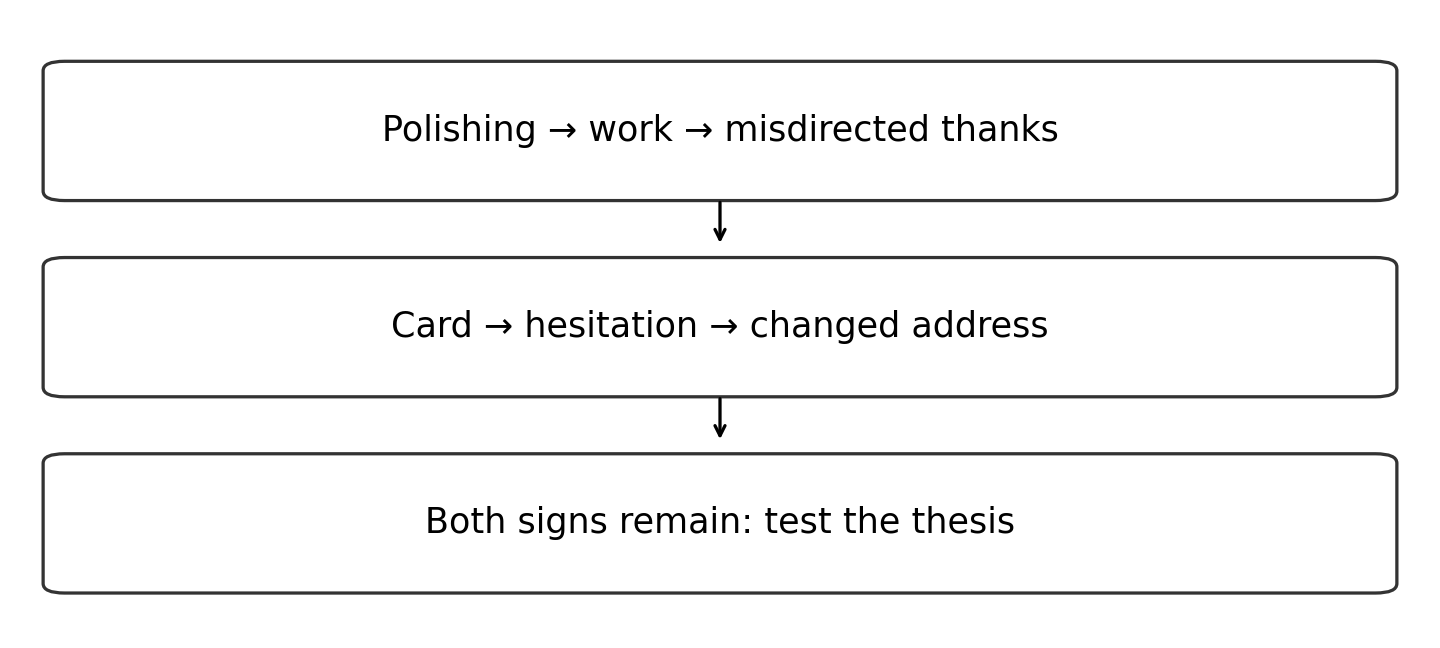
Plan the opening inherited label, the mismatch between labour and thanks, the new card and hesitation, then the retained plate.
Test a counter-reading: preserving the plate may express continuity, but can also preserve unequal recognition.
The full model in the companion is a classroom analytical essay, not an assessed essay on a school-approved work. Never submit or count it as personal coursework.
Original diagram of the worked relationship; read the full wording and qualifications.
Existing worked example: Trace a selected image at the beginning, a turning point and the ending of the approved work. Compare its contexts and implications. Test the argument against an occurrence that appears to resist it before refining the thesis 论点.
Complete original context
Original classroom texts, written for this supplement. They are not school-selected assessed works.
Text A — The label
Every morning I polished the brass plate beside the door. It carried my father's name, and visitors asked for him even after I took charge of the shop. I answered their questions, found the parts, and wrapped each purchase. Still, at the door, they thanked the name on the plate. One afternoon I put a small card below it: “Ask for Leila.” The next visitor read the card aloud, hesitated, and then asked me where the hinges were. I left the brass plate shining. The card stayed too.
Text B — A space on the shelf (original poem)
I cleared a place beside the cup,
not where the cup had been.
The shelf kept its old circle;
the new wood still looked clean.
By evening, two rings darkened it.
I did not rub them out.
Context supplied for this exercise: both texts are contemporary original classroom writing in English. No author biography, translation 翻译 history or evidence about a real society is supplied. Compare what the wording permits; do not invent historical facts. A real course comparison must use the school's eligible studied works.
Independent practice and checked reasoning
Transfer 1
Develop a thesis and paragraph sequence that answers the supplied inquiry, including a counter-reading rather than merely listing images.
Reasoning: Thesis: labels make authority visible but not inevitable; the new card seeks recognition without erasing inheritance, leaving a qualified coexistence. Sequence: inherited name and recurring polish; labour versus misdirected thanks; the card's direct address and visitor hesitation; the retained shining plate and a counter-reading of continued hierarchy. Each paragraph must explain a change in meaning and its relation to the inquiry.
Transfer 2
Explain why counting every name is weaker than tracing naming's changing function. Identify one detail 细节 that tests a claim of complete liberation.
Reasoning: A count does not distinguish inherited authority, misrecognition and self-assertion. The plate remains shining and the visitor hesitates, so complete liberation is too strong. The argument should explain both change and continuing dependence.
Transfer 3
Use the complete model as a method example, then state the exact steps needed for a personal 1200–1500-word HL essay on an eligible studied work.
Reasoning: Choose a school-approved work or permitted body, agree a focused inquiry 聚焦探究, gather precise evidence across it, draft independently, cite quotations and interpretations, verify assessment-reuse and authenticity rules, revise counter-readings, and count final words. The original classroom model demonstrates a sustained line but cannot supply the student's personal assessed work or missing school selection.
In the original short story “The label”, taking charge of a shop does not immediately give Leila public recognition. She carries out its work, but the name displayed beside the door continues to direct visitors' gratitude toward her father. The story makes this problem visible through two small texts: a polished brass plate and a new card. Its question is not simply whether Leila can replace an older generation. Instead, acts of naming expose the difference between doing a job and being recognised as its keeper. The card changes that relationship without removing the inherited plate, so the ending offers a qualified coexistence rather than a complete break. The sequence of polishing, misplaced thanks, self-naming and continued display develops that tension across the whole story.
The opening turns an ordinary maintenance action into a repeated encounter with inherited authority. “Every morning” makes polishing a habit rather than a single sentimental gesture. Leila cares for the object carrying her father's name even after she has taken charge. This creates an important distinction: operational responsibility has changed, while the sign of responsibility remains attached to someone else. Brass also gives the plate a durable material presence. The reader need not assume a universal symbolism for that material to notice its contrast with the later small card. The plate is established, regularly maintained and already positioned at the threshold where visitors decide whom to seek. Before Leila speaks, the shop presents another person's identity. Naming thus operates through space as well as through language.
The visitors' requests show that the plate has practical consequences. They “asked for him” although Leila now performs the keeper's work. The pronoun keeps her father present through other people's expectations, while Leila's first-person narration reveals the mismatch those visitors may not notice. Her account of answering questions, finding parts and wrapping purchases forms a series of concrete actions. These are not abstract claims that she deserves authority; they show her fulfilling the role. The sequence also suggests a complete transaction, from enquiry to departure. Yet carrying the work through to its conclusion does not ensure that gratitude reaches the worker. The story separates competence from acknowledgement, allowing the reader to see an inequality that the visitor may reproduce without deliberate hostility.
That separation becomes sharpest when visitors “thanked the name on the plate”. A name cannot literally receive gratitude, so the phrase makes the sign stand for the absent person. It also presents the direction of thanks as almost automatic: the plate's established identity outweighs the visible worker's actions. The narration does not report an argument in which someone explicitly denies Leila's ability. Instead, misrecognition occurs through an apparently polite habit. This matters because it prevents an easy solution based only on performing more work or behaving more helpfully. Leila has already completed those actions. Her difficulty concerns the way people interpret the shop's public signs. The story therefore prepares a response that changes the available information, rather than adding another demonstration of competence that might again be credited elsewhere.
The card answers that problem through unusually direct wording. “Ask for Leila” is an instruction, not a description of her father's absence or an accusation against visitors. Its verb invites a new act from the reader: address the person now doing the work. By choosing her name, Leila also becomes visible as an individual rather than only as the child of the person already named. The card is small, however, and sits “below” the brass plate. Those details complicate an account of sudden triumph. The addition can be read as a practical correction fitted into an existing arrangement, but its subordinate position may also suggest that the inherited identity remains more prominent. Both possibilities depend on the actual spatial relationship. Neither requires inventing a history of conflict outside the story.
The first response to the card makes change perceptible without making it effortless. The visitor reads the new name aloud and “hesitated” before asking Leila for the hinges. Reading aloud gives her name a public sound that contrasts with the earlier requests for “him”. The following question is also a practical acknowledgement: the visitor directs the shop enquiry to her. Yet the hesitation interrupts any smooth transition 衔接词. It may suggest uncertainty, a revision of expectation or simply the moment needed to process unfamiliar information. The narration does not choose among those private motives. A careful interpretation can identify recognition beginning in the changed address while retaining uncertainty about the visitor's attitude. Claiming either complete approval or contempt would exceed the available evidence.
The ending returns to the brass plate rather than allowing the new card to become the sole sign. Leila leaves it “shining”, continuing the care established in the opening. This repetition gives the final arrangement continuity with her earlier practice, but its meaning has changed because another name is now displayed beside the inherited one. The last statement, “The card stayed too”, is brief and firm. Too is crucial: it adds rather than replaces. The story does not end with a declared reconciliation, a removal, or a promise that all later visitors will respond correctly. It ends with two signs remaining together. The material arrangement carries the conclusion, leaving the reader to weigh how much recognition the addition has achieved and how much inherited authority it still accommodates.
The first-person form also affects how this conflict is presented. Leila reports what she does and what visitors say, but she does not quote an explanation of her father's wishes. That absence matters: maintaining the plate cannot be treated as proof that he ordered her to preserve it. Nor does the visitor's hesitation reveal a settled judgement. The reader encounters these signs through a worker who notices where gratitude goes. This perspective makes the problem immediate while keeping other people's motives uncertain. It supports an analysis of recognition in the scene, rather than a confident diagnosis of every relationship outside it.
A counter-reading tests the apparent optimism of that coexistence. Keeping the polished plate could show affection and a refusal to treat independence as erasure. However, it could also preserve a hierarchy in which Leila must ask for recognition beneath a more established name. The visitor's hesitation supports that second possibility by showing that the new arrangement has not become entirely natural. Conversely, an interpretation of total submission must account for Leila's deliberate instruction and the visitor's changed address. She does act, and that action produces a visible response. The strongest reading therefore holds continuity and inequality in tension rather than treating one as cancelled. The story's restraint invites that qualified judgement: it offers no final access to the father's view or every visitor's future behaviour.
Across the story, labels move from inherited description to contested social action. The plate initially directs requests and thanks away from the present worker; the card then asks readers to revise whom they recognise. Concrete labour establishes Leila's role, but naming makes that role legible to others. Her response is modest in size and direct in purpose, and its first result is real but limited. By retaining the shining plate and the card together, the ending resists a simple choice between obedience and replacement. Leila claims a place within an inherited setting while leaving its unresolved pressures visible. The analysis of naming therefore leads to a changing relationship, not merely a count of names: authority is maintained, questioned and partly redistributed through the signs that remain at the door.
Classroom model: 1237 words. Complete source is supplied in ib_focus.yaml; inquiry and thesis; opening/work/thanks/card/response/ending sequence; precise quotations; counter-reading; qualified conclusion. Classroom model only, not approved-work coverage or personal coursework.
Limits and next use
The HL essay is coursework, not an extra timed examination. Confirm assessment reuse rules and citations with the teacher; a borrowed interpretation still needs acknowledgement.
All tasks here are public original practice with authored guidance. They are not official questions or fresh diagnostics. Existing protected tests and mocks remain separate.
Vocabulary card meanings
line of inquiry: The main question a literary study keeps returning to.