English
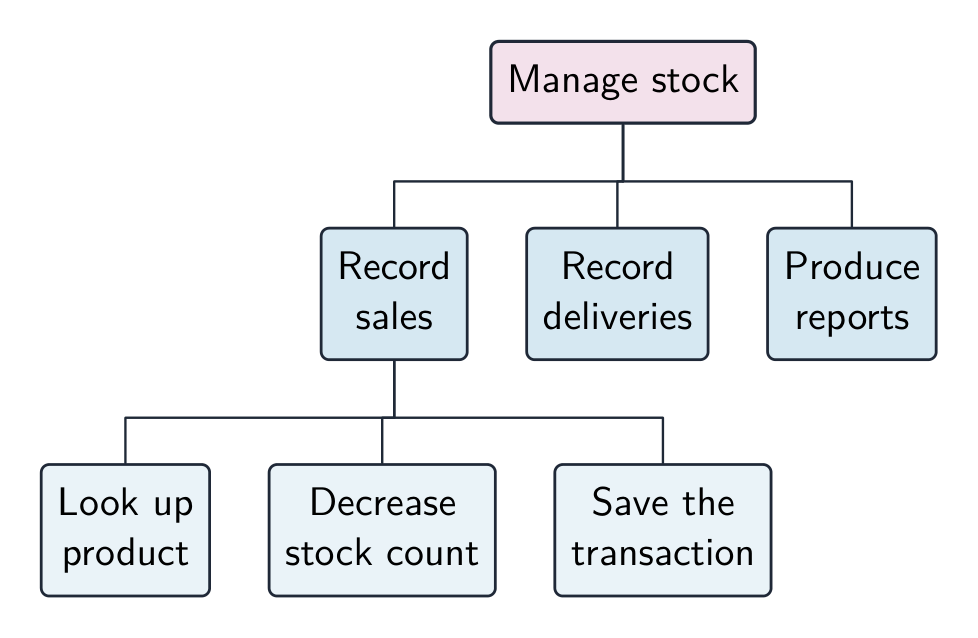
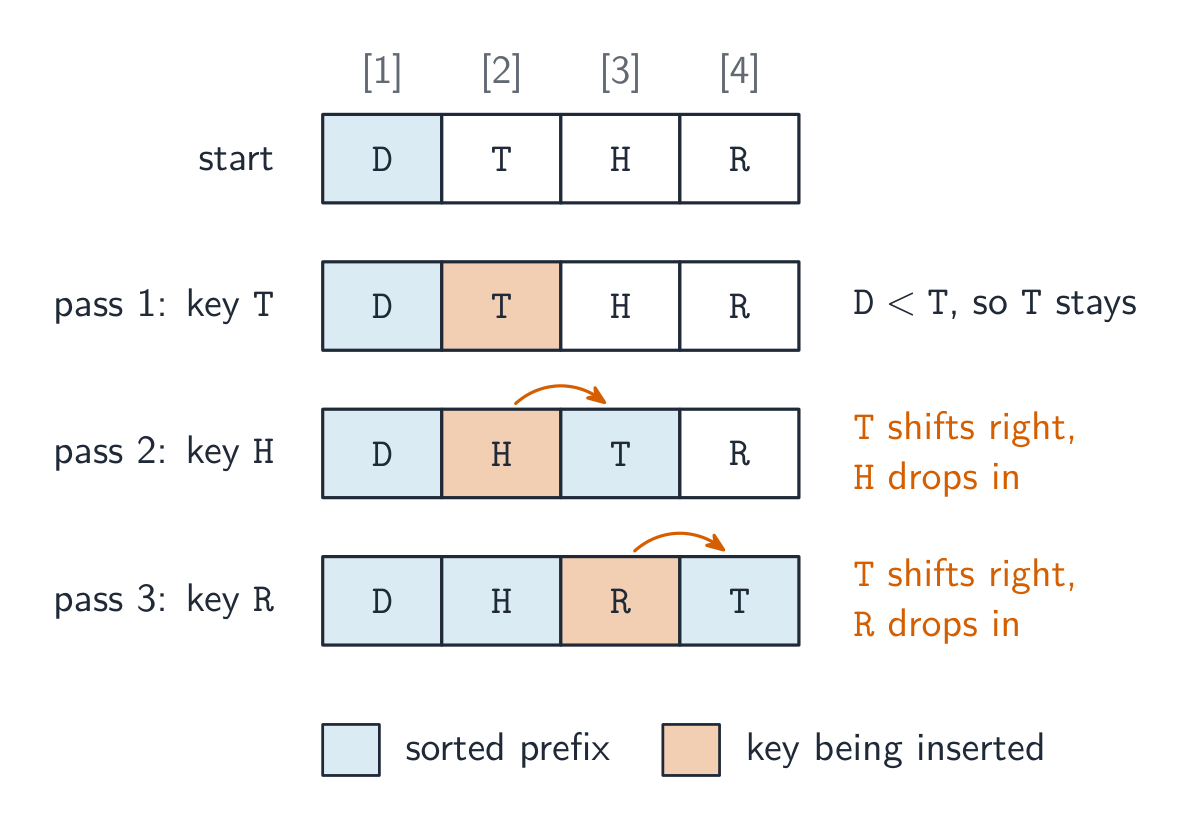
Learning Objective 1.1.A: Represent patterns and algorithms found in everyday life using written language or diagrams.
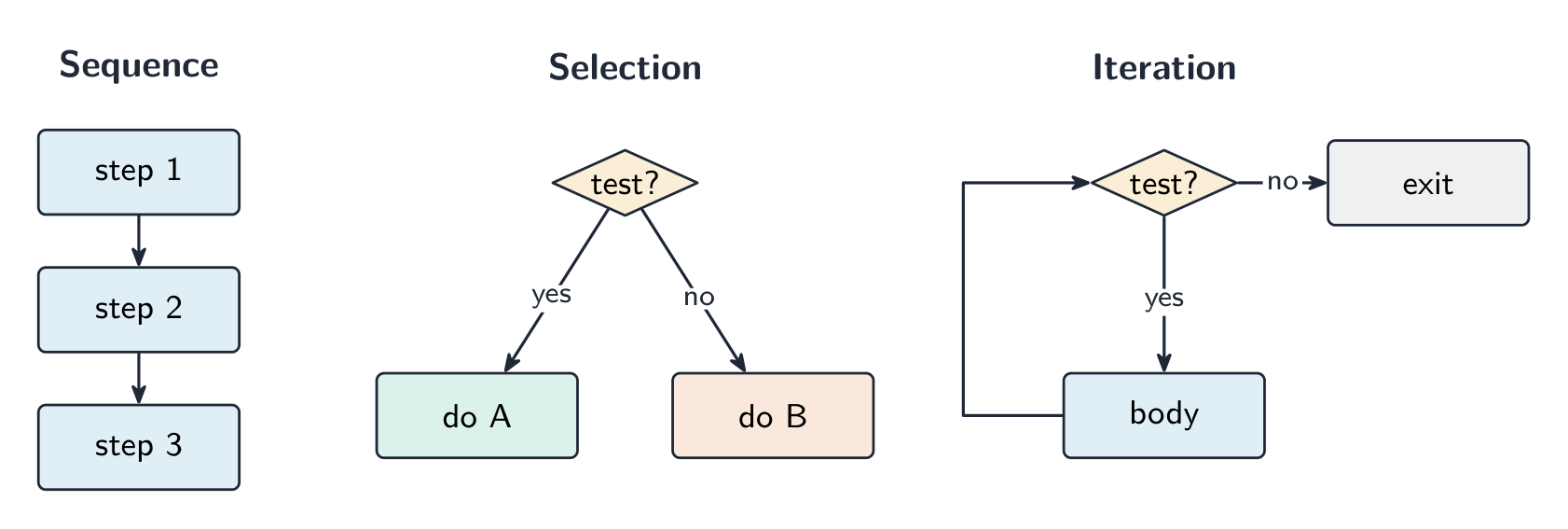
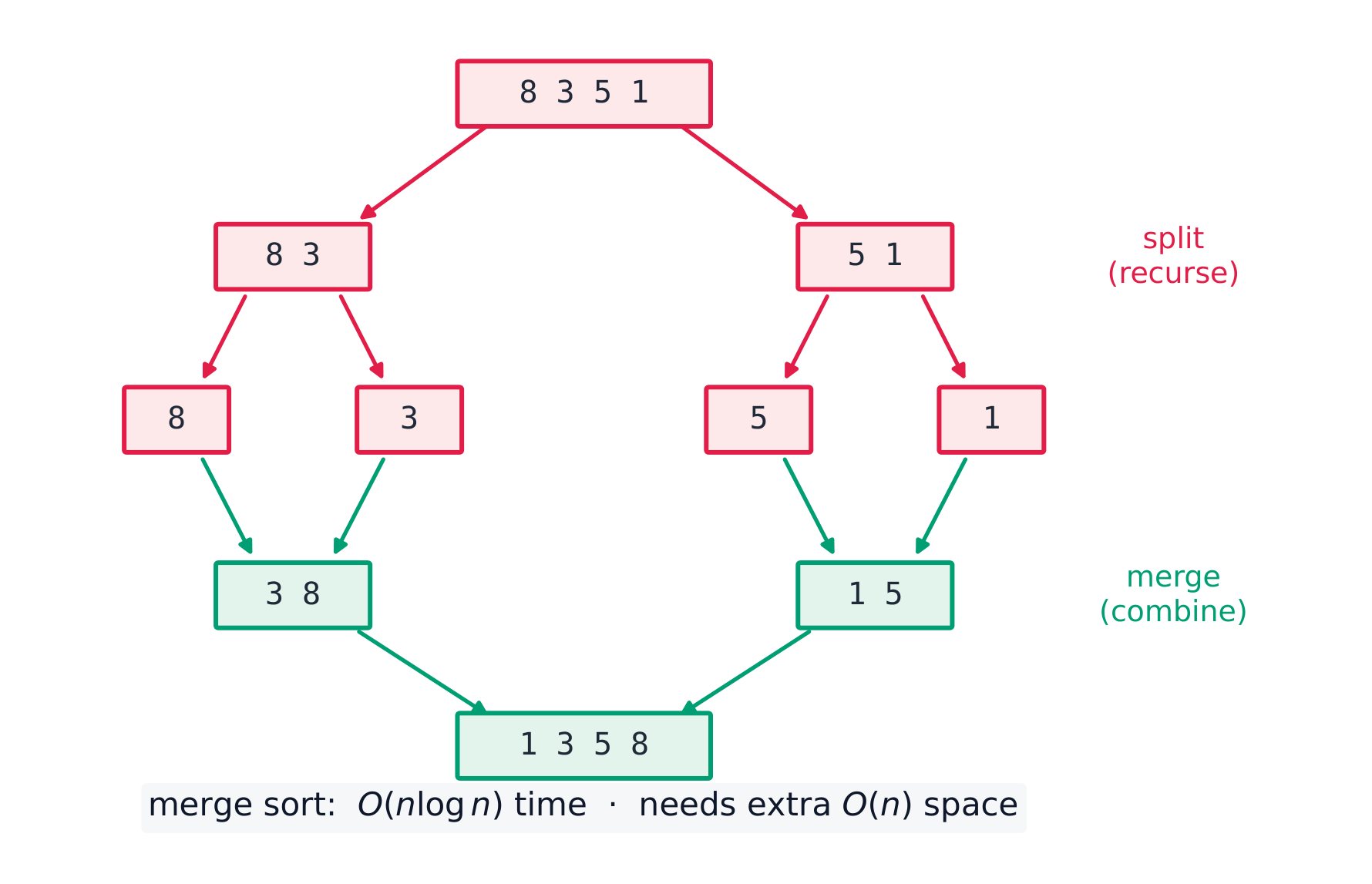
- 1.1.A.1 Algorithms define step-by-step processes to follow when completing a task or solving a problem. These algorithms can be represented using written language or diagrams.
- 1.1.A.2 Sequencing defines an order for when steps in a process are completed. Steps in a process are completed one at a time.
Learning Objective 1.1.B: Explain the code compilation and execution process.
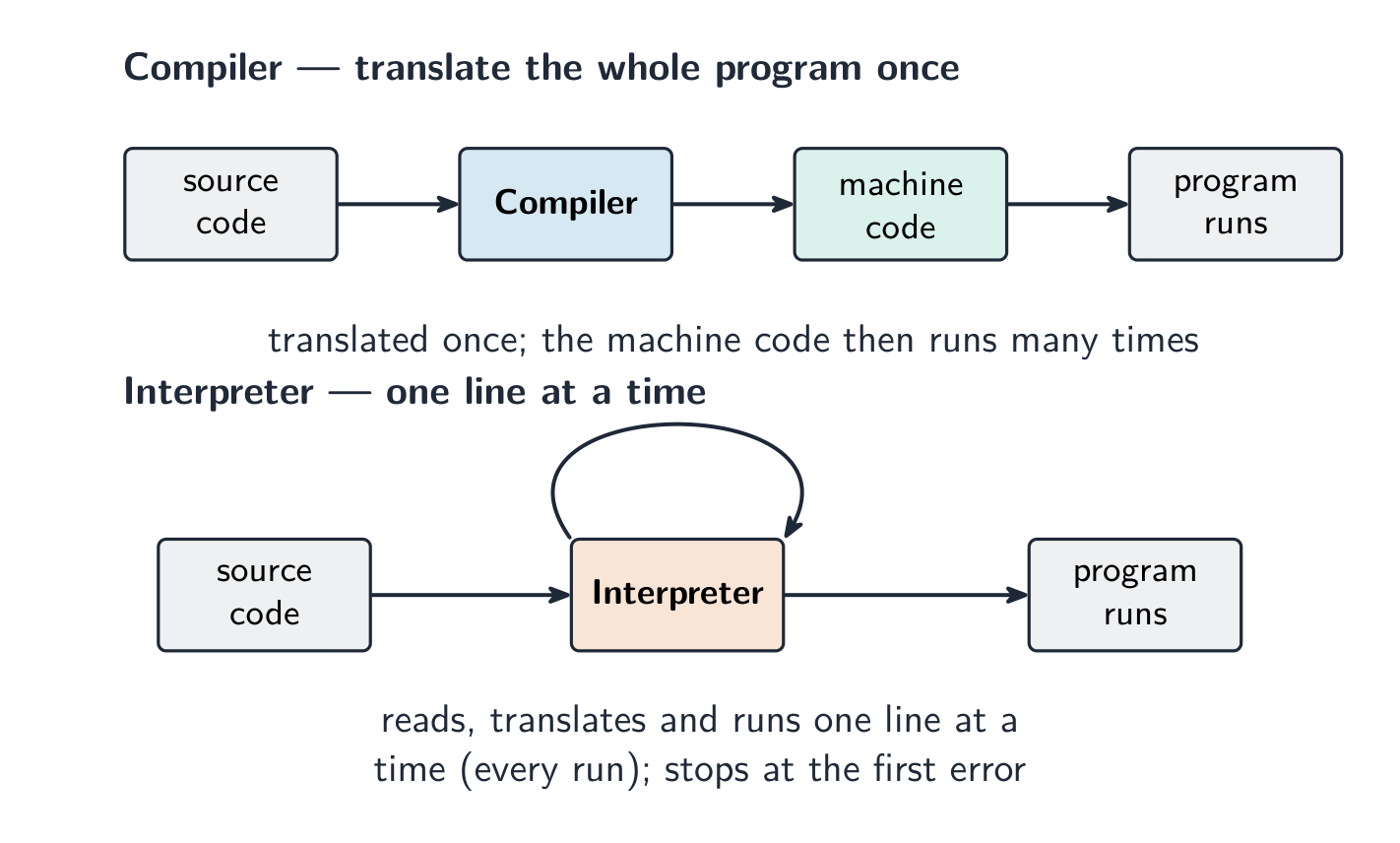
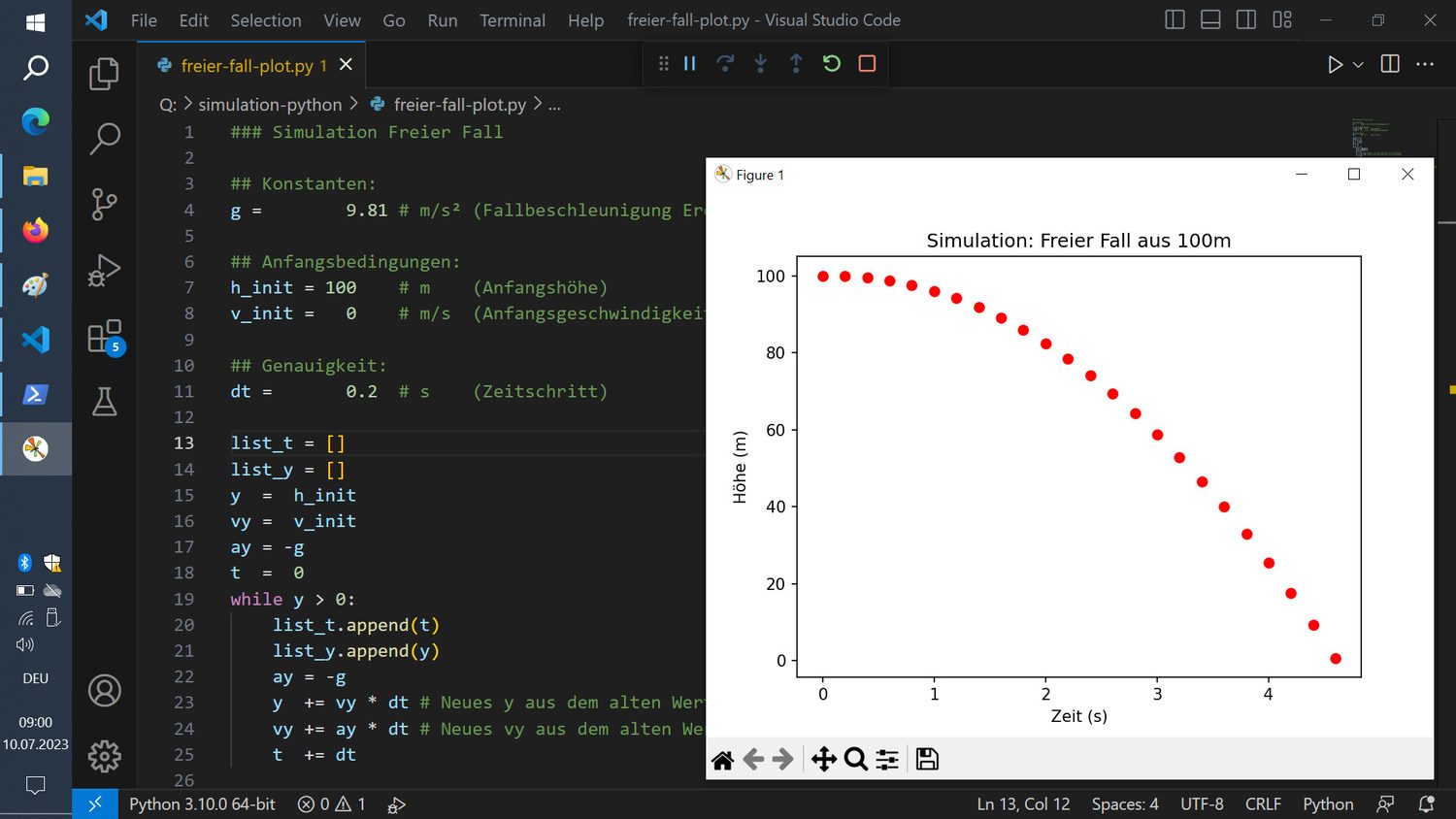
- 1.1.B.1 Code can be written in any text editor; however, an integrated development environment (IDE) is often used to write programs because it provides tools for a programmer to write, compile, and run code.
- 1.1.B.2 A compiler checks code for some errors. Errors detectable by the compiler need to be fixed before the program can be run.
Learning Objective 1.1.C: Identify types of programming errors.
- 1.1.C.1 A syntax error is a mistake in the program where the rules of the programming language are not followed. These errors are detected by the compiler.
- 1.1.C.2 A logic error is a mistake in the algorithm or program that causes it to behave incorrectly or unexpectedly. These errors are detected by testing the program with specific data to see if it produces the expected outcome.
- 1.1.C.3 A run-time error is a mistake in the program that occurs during the execution of a program. Run-time errors typically cause the program to terminate abnormally.
- 1.1.C.4 An exception is a type of run-time error that occurs as a result of an unexpected error that was not detected by the compiler. It interrupts the normal flow of the program's execution.
עברית
מטרת הלמידה 1.1.A: ייצוג דפוסים ואלגוריתמים הנמצאים בחיי היומיום באמצעות כתיבה או דיאגרמות.
- 1.1.A.1 אלגוריתמים מגדירים תהליכים צעד-צעד שיש לבצע בעת ביצוע משימה או פתרון בעיה. אלגוריתמים אלו יכולים להיות מיוצגים באמצעות כתיבה או דיאגרמות.
- 1.1.A.2 רצף מגדיר סדר עבור ביצוע הצעדים בתהליך. צעדים בתהליך מתבצעים אחד אחרי השני.
מטרת הלמידה 1.1.B: הסבר על תהליך ההרכבה והביצוע של קוד.
- 1.1.B.1 קוד ניתן לכתיבה בכל עורך טקסט; עם זאת, משתמשים לעיתים קרובות ב-סביבת פיתוח משולבת (IDE) כדי לכתוב תוכניות, מכיוון שהיא מספקת כלים למפתח כדי לכתוב, להרכיב ולהפעיל קוד.
- 1.1.B.2 מיישר בודק את הקוד לקיוום שגיאות מסוימות. שגיאות שניתן לגלות על ידי המיישר חייבות לתוקן לפני שהתוכנית תוכל להפעיל.
מטרת הלמידה 1.1.C: זיהוי סוגי שגיאות בתכנות.
- 1.1.C.1 שגיאת סינטקס היא טעות בתוכנית בה כללי לשפת התכנות אינם נעלמו. שגיאות אלו נזקפות על ידי המיישר.
- 1.1.C.2 שגיאת לוגיקה היא טעות באלגוריתם או בתוכנית הגורמת להתנהגות לא נכונה או לא צפויה. שגיאות אלו נזקפות על ידי בדיקת התוכנית עם נתונים ספציפיים כדי לוודא שהיא מייצרת את התוצאה הרצויה.
- 1.1.C.3 שגיאת ריצה היא טעות בתוכנית שקורה במהלך הביצוע של תוכנית. שגיאות ריצה גורמות לרוב להפסקת התוכנית בצורה לא תקינה.
- 1.1.C.4 חריגה היא סוג של שגיאת ריצה הנובעת מאירוע בלתי צפוי שלא נזקף על ידי המיישר. היא מפסיקה את זרימת הביצוע הרגילה של התוכנית.