English
Learning Objective 1.1.A: Represent patterns and algorithms found in everyday life using written language or diagrams.
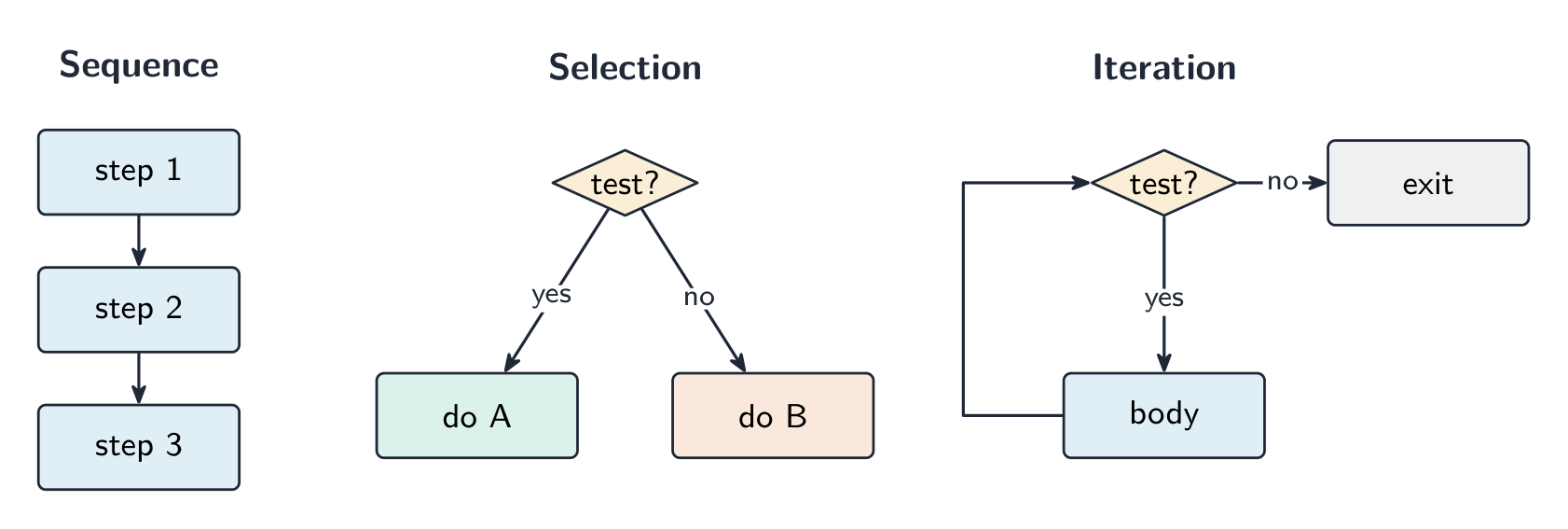
- 1.1.A.1 Algorithms define step-by-step processes to follow when completing a task or solving a problem. These algorithms can be represented using written language or diagrams.
- 1.1.A.2 Sequencing defines an order for when steps in a process are completed. Steps in a process are completed one at a time.
Learning Objective 1.1.B: Explain the code compilation and execution process.
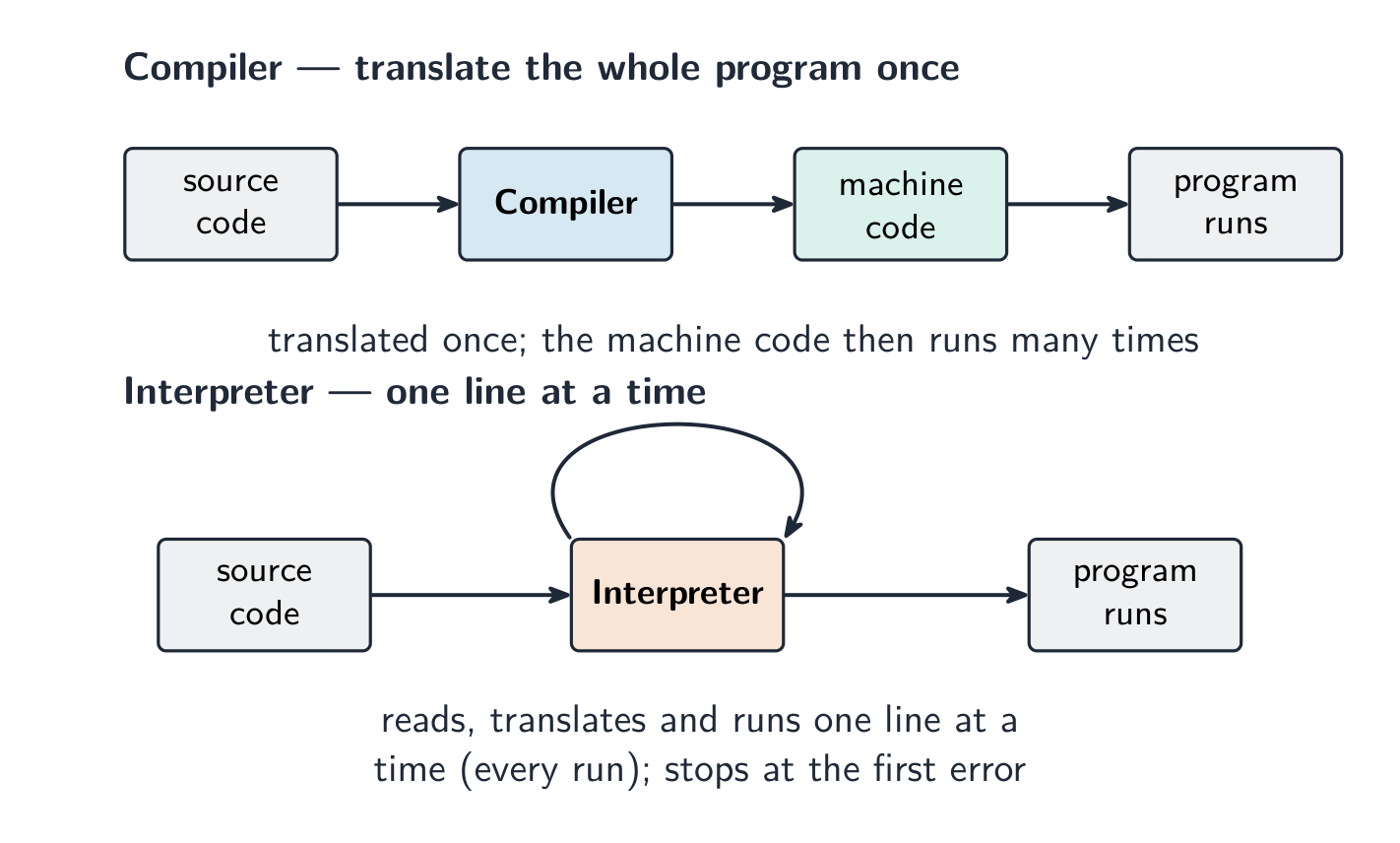
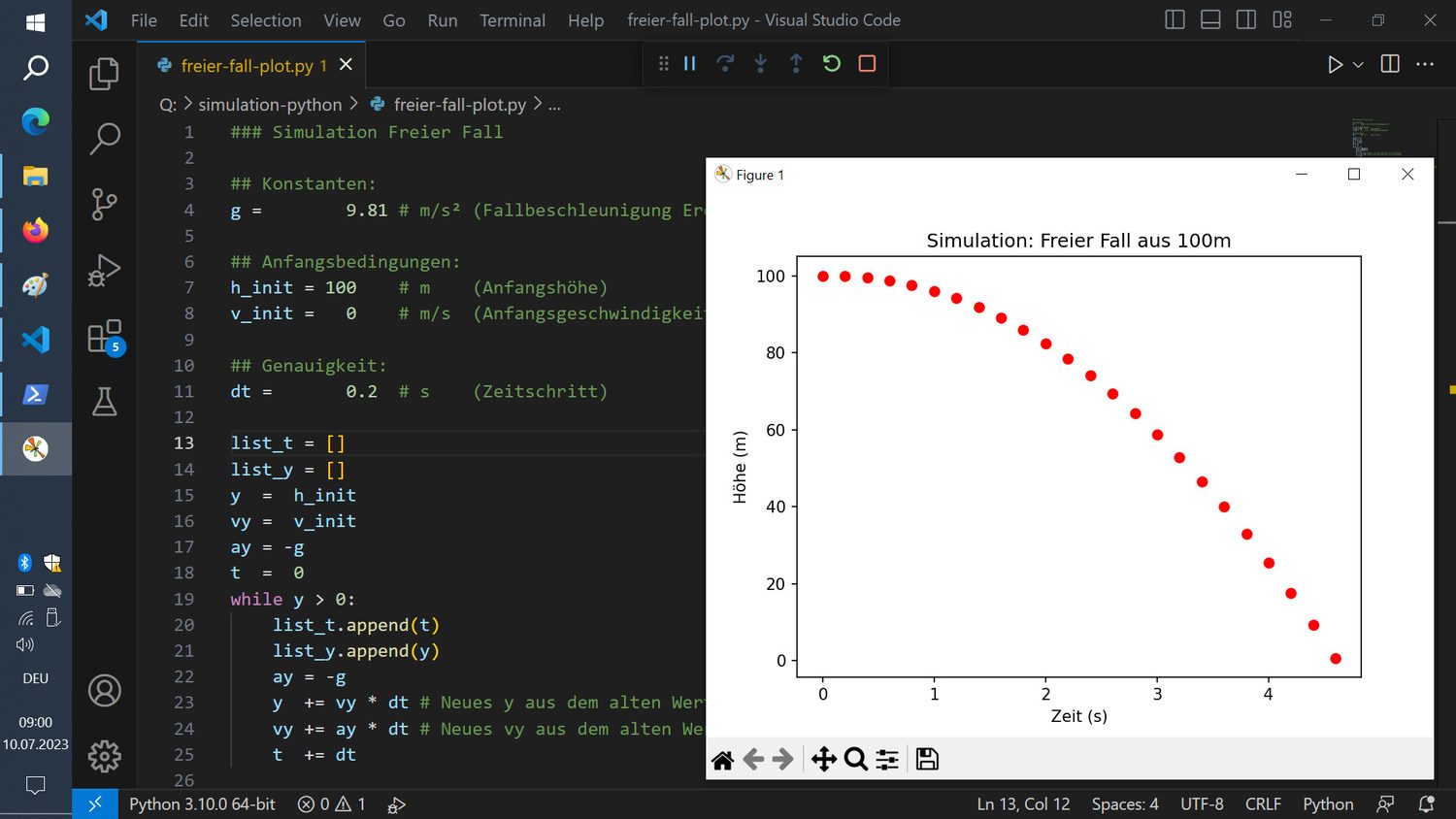
- 1.1.B.1 Code can be written in any text editor; however, an integrated development environment (IDE) is often used to write programs because it provides tools for a programmer to write, compile, and run code.
- 1.1.B.2 A compiler checks code for some errors. Errors detectable by the compiler need to be fixed before the program can be run.
Learning Objective 1.1.C: Identify types of programming errors.
- 1.1.C.1 A syntax error is a mistake in the program where the rules of the programming language are not followed. These errors are detected by the compiler.
- 1.1.C.2 A logic error is a mistake in the algorithm or program that causes it to behave incorrectly or unexpectedly. These errors are detected by testing the program with specific data to see if it produces the expected outcome.
- 1.1.C.3 A run-time error is a mistake in the program that occurs during the execution of a program. Run-time errors typically cause the program to terminate abnormally.
- 1.1.C.4 An exception is a type of run-time error that occurs as a result of an unexpected error that was not detected by the compiler. It interrupts the normal flow of the program's execution.
العربية
الهدف التعليمي 1.1.A: تمثيل الأنماط والخوارزميات الموجودة في الحياة اليومية باستخدام اللغة المكتوبة أو المخططات.
- 1.1.A.1 الخوارزميات تحدد عمليات خطوة بخطوة يجب اتباعها عند إنجاز مهمة أو حل مشكلة. يمكن تمثيل هذه الخوارزميات باستخدام اللغة المكتوبة أو المخططات.
- 1.1.A.2 التسلسل يحدد ترتيبًا لإكمال خطوات العملية. تتم الخطوات في العملية واحدة تلو الأخرى.
الهدف التعليمي 1.1.B: شرح عملية ترجمة البرنامج وتنفيذه.
- 1.1.B.1 يمكن كتابة الكود في أي محرر نصوص؛ ومع ذلك، غالبًا ما يُستخدم بيئة التطوير المدمجة (IDE) لكتابة البرامج لأنها توفر أدوات للمبرمج لكتابة وترجمة وتشغيل الكود.
- 1.1.B.2 يقوم المترجم بفحص الكود بحثًا عن بعض الأخطاء. يجب إصلاح الأخطاء التي يمكن اكتشافها بواسطة المترجم قبل تشغيل البرنامج.
الهدف التعليمي 1.1.C: تحديد أنواع أخطاء البرمجة.
- 1.1.C.1 خطأ بناء الجملة هو خطأ في البرنامج لا يتم فيه اتباع قواعد لغة البرمجة. يتم اكتشاف هذه الأخطاء بواسطة المترجم.
- 1.1.C.2 خطأ المنطق هو خطأ في الخوارزمية أو البرنامج يسبب سلوكًا خاطئًا أو غير متوقع. يتم اكتشاف هذه الأخطاء من خلال اختبار البرنامج ببيانات محددة لمعرفة ما إذا كان ينتج النتيجة المتوقعة.
- 1.1.C.3 خطأ وقت التشغيل هو خطأ في البرنامج يحدث أثناء تنفيذ البرنامج. عادةً ما يؤدي أوقات التشغيل إلى إنهاء البرنامج بشكل غير طبيعي.
- 1.1.C.4 الاستثناء هو نوع من أخطاء وقت التشغيل يحدث نتيجة لخطأ غير متوقع لم يتم اكتشافه بواسطة المترجم. إنه يعطل التدفق الطبيعي لتنفيذ البرنامج.